


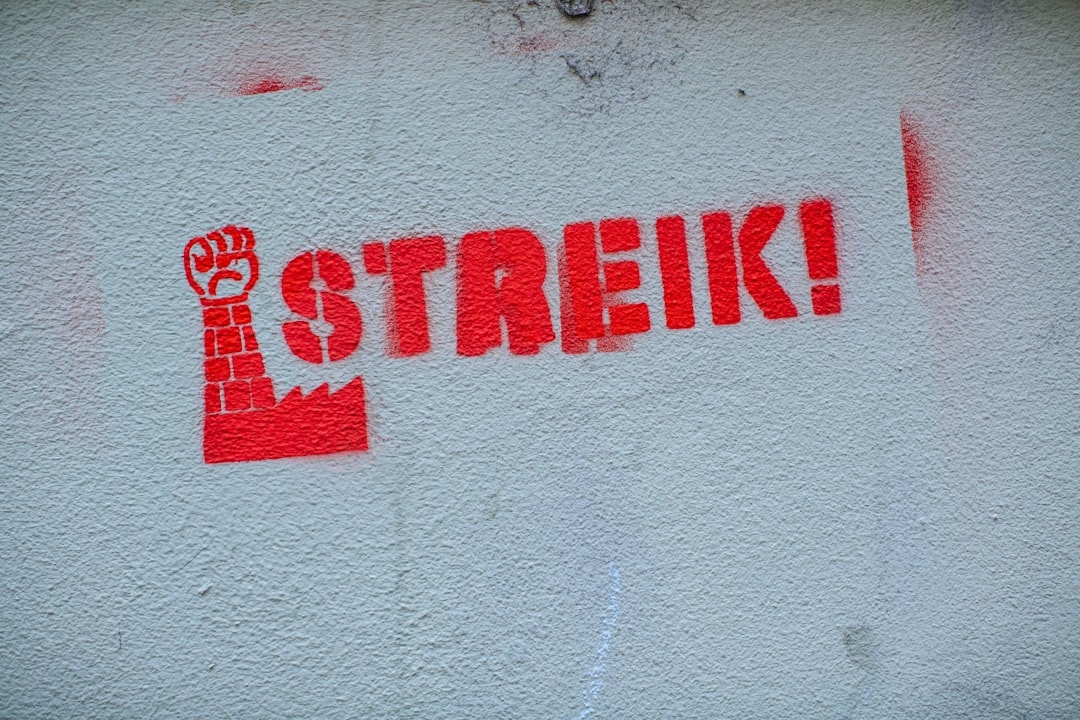
How can employers in the Gulf Cooperation Council (GCC) navigate the complex legal landscape surrounding industrial action? Understanding strike regulations work stoppage legality is crucial for maintaining operational stability and legal compliance. The GCC region presents unique labor dynamics with stringent rules governing collective action. Consequently, businesses must proactively understand these frameworks to mitigate risks. This guide provides essential insights into industrial action rules across Gulf countries.
Labor relations in the Middle East operate under distinct legal and cultural paradigms. Each GCC nation has developed specific statutes addressing work stoppages and employee protests. Moreover, these regulations balance employer interests with evolving worker rights. Therefore, compliance requires careful attention to national labor codes. Familiarity with these rules prevents costly legal disputes and operational disruptions.
At Allianze HR Consultancy, we’ve successfully placed 10,000+ professionals across UAE, Saudi Arabia, Qatar, and Kuwait. Furthermore, our 5+ years of GCC expertise supports clients from 50+ countries. Moreover, our Ministry of External Affairs (India) RA license ensures compliance. Therefore, contact our recruitment specialists for expert guidance on workforce management and labor law adherence.
Understanding GCC Industrial Action Frameworks
Industrial action in the Gulf region is heavily regulated. Each country’s labor law explicitly defines permissible and prohibited activities. For instance, most GCC states require formal dispute resolution attempts before any stoppage. Additionally, strikes in essential sectors are typically banned outright. Employers must recognize these foundational principles.
Furthermore, the legal definition of a strike varies. Some laws distinguish between work stoppages, sit-ins, and go-slows. Moreover, participation in illegal industrial action carries significant penalties for workers. These can include fines, deportation, or contract termination. Therefore, understanding these nuances is the first step in risk management.
Key considerations include:
- Mandatory cooling-off and mediation periods before action.
- Sector-specific restrictions, especially in oil, gas, and utilities.
- Requirements for worker committee formation and representation.
- Strict prohibitions on violence, intimidation, or property damage.
- Employer obligations to maintain operations and ensure safety.
Consequently, a proactive approach involves regular legal audits. Partnering with knowledgeable consultants helps navigate this complex field. Access our professional recruitment resources for ongoing updates.
Strike Regulations Work Stoppage Legality Strategic Overview
A strategic overview of strike regulations work stoppage legality reveals critical regional patterns. Generally, GCC labor laws prioritize arbitration and ministry-led conciliation. This approach aims to resolve disputes without operational interruption. Therefore, employers should engage early with official channels when tensions arise.
Moreover, the legality of a work stoppage hinges on strict procedural adherence. Workers must typically exhaust all administrative grievance pathways. Additionally, advance notice to the employer and relevant ministry is often mandatory. Failure to follow these steps renders the action illegal. Subsequently, employers gain stronger legal standing to respond.
Strategic employer actions include:
- Implementing clear internal grievance redressal procedures.
- Training management on early signs of collective discontent.
- Establishing transparent communication channels with staff.
- Documenting all dispute resolution efforts meticulously.
- Understanding the role of the International Labour Organization standards as a reference point.
Hence, strategy focuses on prevention and structured response. This minimizes legal exposure and maintains workforce morale. A well-informed strategy is your best defense against disruptive industrial action.
Legal Framework and Compliance Standards
The GCC legal framework for industrial action is embedded within national labor laws. These laws are influenced by both Islamic Sharia principles and international norms. For example, the right to collective bargaining is recognized but within defined limits. Employers must consult the specific statutes of their operating country.
Additionally, compliance standards require employers to respect certain fundamental worker rights. These include the right to fair wages and safe working conditions. Conversely, workers have correlating duties, including adherence to lawful orders. The Saudi Ministry of Labor regulations and similar bodies enforce these standards.
Critical legal components across the region include:
- Formal registration of labor complaints with the Ministry of Human Resources.
- Specified timelines for ministry intervention and dispute resolution.
- Clear penalties for instigating or participating in illegal strikes.
- Protections against unfair dismissal for workers pursuing legal grievances.
- Reference to broader World Bank labor market analysis on dispute trends.
Therefore, maintaining compliance demands continuous monitoring of legal updates. Engaging with official portals like the UAE visa and immigration services provides official guidance. Legal adherence protects both the enterprise and its workforce.
Strike Regulations Work Stoppage Legality Best Practices
Implementing best practices for strike regulations work stoppage legality transforms compliance from reactive to proactive. First, develop comprehensive employee relations policies aligned with local law. These policies should outline acceptable conduct and formal dispute processes. Moreover, they must be communicated effectively in relevant languages.
Furthermore, establish a dedicated employee relations or HR function. This team monitors workplace sentiment and addresses issues early. Additionally, they ensure all managerial actions comply with labor regulations. Training line managers on these rules is equally vital. Consequently, potential conflicts are de-escalated before reaching a critical stage.
Essential best practices include:
- Conducting regular labor law training sessions for management and staff.
- Creating and supporting legitimate worker welfare committees.
- Ensuring wage payments are always timely and accurate.
- Developing a contingency plan for maintaining operations during disputes.
- Benchmarking policies against U.S. Department of Commerce labor standards for best-in-class approaches.
Hence, best practices build a resilient organizational culture. They foster trust and reduce the likelihood of adversarial industrial relations. Proactive engagement is the cornerstone of effective workforce management.
Documentation and Processing Steps
Meticulous documentation is paramount in managing industrial action legally. Every step of employee interaction and dispute resolution must be recorded. This creates an evidence trail that is crucial for legal proceedings. Moreover, it demonstrates the employer’s commitment to due process.
Additionally, specific processing steps must follow during a potential dispute. Initially, formally acknowledge any collective grievance in writing. Next, initiate the internal investigation or conciliation process as per policy. Furthermore, involve ministry officials at the prescribed stage if internal resolution fails. Timely escalation to authorities shows good faith.
Key documentation and steps involve:

- Signed records of all grievance meetings and proposed solutions.
- Copies of all correspondence with workers and their representatives.
- Detailed minutes of negotiations and mediation sessions.
- Official filings and reference numbers from labor ministries.
- Legal opinions sought regarding the specific situation’s legality.
Therefore, a systematic approach to paperwork protects the company. It ensures all actions are defensible and aligned with regulatory expectations. Proper documentation is your legal shield during labor disputes.
Strike Regulations Work Stoppage Legality Implementation Timeline
Understanding the implementation timeline for strike regulations work stoppage legality is essential for planning. The process begins long before any dispute surfaces. Proactive policy development and training form the foundational phase. This ongoing stage requires regular review and updates as laws change.
Moreover, during an active dispute, the timeline accelerates through defined stages. Typically, a cooling-off period of several days is mandated by law. Subsequently, formal mediation might take another week or two. Furthermore, if mediation fails, the ministry may issue a binding decision. Employers must anticipate these timeframes in their business continuity planning.
A typical implementation and response timeline includes:
- Month 1-3: Develop and communicate updated employee relations policies.
- Ongoing: Conduct quarterly training and sentiment assessments.
- Day 1 of grievance: Acknowledge and document the formal complaint.
- Day 2-7: Conduct internal investigation and initial resolution attempts.
- Day 8-21: Engage with labor ministry mediators if unresolved.
- Post-resolution: Implement agreements and monitor workplace climate.
Consequently, a clear timeline manages expectations and resources. It ensures the company responds methodically rather than reactively. Strategic timeline management mitigates operational and reputational risk effectively.
Common Challenges and Solutions
Employers face several common challenges regarding industrial action legality. A primary issue is misinformation among workers about their legal rights. This can lead to unintentional participation in illegal stoppages. Additionally, navigating different regulations across multiple GCC countries complicates compliance for regional businesses.
Furthermore, cultural and language barriers can hinder effective communication during tensions. Moreover, identifying legitimate worker representatives can be difficult in unstructured environments. These challenges require thoughtful, culturally sensitive solutions. Proactive measures prevent misunderstandings from escalating.
Effective solutions to these challenges include:
- Providing labor law information in simple terms and multiple languages.
- Utilizing regional HR experts who understand local nuances.
- Employing professional translators for critical negotiations.
- Encouraging the election of formal worker spokespersons.
- Leveraging resources from the World Health Organization workplace health to address wellbeing grievances.
Therefore, anticipating these hurdles allows for pre-emptive action. Building a transparent and communicative workplace culture is the ultimate solution. Addressing root causes of discontent is more effective than merely reacting to symptoms.
Expert Recommendations for Success
Expert recommendations emphasize a holistic and ethical approach to labor relations. First, integrate employee welfare into core business strategy. Happy, fairly treated employees are far less likely to engage in disruptive action. Moreover, view compliance not as a cost but as an investment in stability.
Additionally, build strong relationships with official labor departments. Regular, positive engagement with ministry officials is invaluable. Furthermore, consider independent social audits to assess workplace health. These audits identify friction points before they ignite. Subsequently, you can implement corrective measures proactively.
Final expert recommendations for employers:
- Invest in high-quality accommodation and welfare facilities as a preventative measure.
- Implement digital channels for anonymous employee feedback.
- Develop a senior management-sponsored open-door policy.
- Partner with a reputable HR consultancy like Allianze for ongoing guidance.
- Schedule consultation appointment to review your current policies and risk exposure.
Hence, success lies in combining legal compliance with genuine employee care. This dual approach fosters loyalty and minimizes conflict. A respected workforce is the most reliable asset for any GCC enterprise.
Frequently Asked Questions About Strike Regulations Work Stoppage Legality
What is the primary legal reference for strike regulations work stoppage legality?
The primary reference is the national Labor Law of the specific GCC country. For example, UAE Federal Decree-Law No. 33 of 2021. Furthermore, ministerial resolutions provide detailed implementation rules. Therefore, employers must consult the latest official texts for accuracy.
Can workers be terminated for participating in a strike?
Termination is permissible if the strike is illegal and procedural requirements are met. However, participation in a legally conducted strike is protected. Moreover, due process and documented warnings are typically required before dismissal. Consequently, legal advice is essential before any termination action.
Are there sectors where strikes are completely prohibited?
Yes, most GCC countries prohibit strikes in essential services. These typically include electricity, water, healthcare, and civil defense. Additionally, security and airport services often have restrictions. Therefore, employers in these sectors have different legal obligations and dispute resolution mechanisms.
What is the employer’s first step when a work stoppage occurs?
The first step is to ensure safety and document the event. Next, formally communicate with worker representatives to understand grievances. Furthermore, immediately notify the relevant Ministry of Human Resources or Labor. Prompt, calm, and procedural action is critical to managing the situation legally.
How can Allianze HR assist with industrial action prevention?
We assist through compliance audits, policy development, and manager training. Additionally, our deep understanding of GCC labor markets helps design fair employment packages. Moreover, we can facilitate communication strategies to improve workplace relations. Therefore, we help build systems that prevent disputes from arising.
Do GCC regulations allow for trade unions?
Regulations vary. Some countries, like Bahrain, have more formal union structures. Others permit worker committees with specific representation functions. However, traditional Western-style trade unionism is generally limited. Instead, ministry-supervised collective bargaining is the common model for dispute resolution.
Partner with Allianze HR for Labor Relations Success
Navigating strike regulations work stoppage legality requires expert knowledge and strategic foresight. This guide has outlined the critical frameworks, best practices, and compliance steps essential for GCC employers. Moreover, a proactive approach centered on fair treatment and clear communication is paramount. Consequently, building a compliant and harmonious workplace is an achievable strategic goal.
Understanding these complex regulations protects your business from disruption and legal liability. Furthermore, it demonstrates your commitment to ethical and lawful operations. Therefore, continuous education and expert partnership are invaluable investments. Let Allianze HR be your guide in mastering GCC labor relations.
Our team provides end-to-end support, from policy design to crisis management. We ensure your practices meet the highest standards of strike regulations work stoppage legality. Contact our HR specialists today to fortify your employee relations strategy. Together, we can build a stable, productive, and compliant workforce for your GCC operations.