


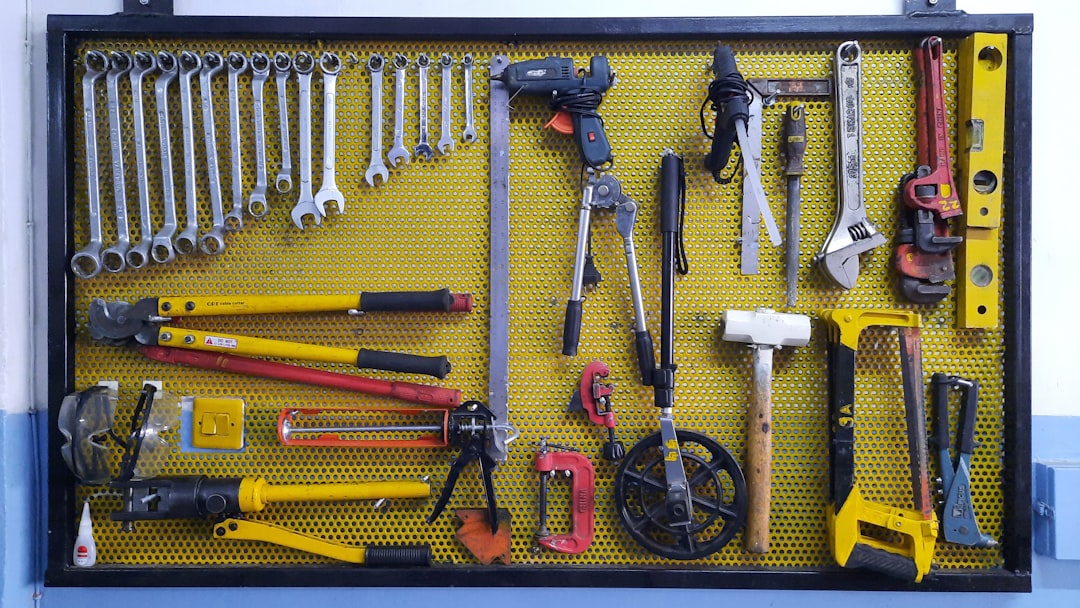
Are you managing a major construction or industrial project in the GCC requiring a fully equipped workforce? Furthermore, provisioning tools for 100 skilled workers presents a significant logistical and financial challenge. Consequently, strategic planning for tool allowance equipment provision becomes critical for project success and compliance. This comprehensive guide details power tool budgets, hand tool allocation costs, and best practices for GCC employers.
In the competitive GCC markets, providing proper equipment is not just an operational need but a legal and ethical responsibility. Moreover, skilled tradespeople, from electricians to welders, require specific, high-quality tools to perform safely and efficiently. Therefore, understanding the full scope of equipment provisioning protects your investment and ensures workforce productivity from day one.
At Allianze HR Consultancy, we’ve successfully placed 10,000+ professionals across UAE, Saudi Arabia, Qatar, and Kuwait. Furthermore, our 5+ years of GCC expertise supports clients from 50+ countries. Moreover, our Ministry of External Affairs (India) RA license ensures compliance. Therefore, contact our recruitment specialists for expert guidance on workforce deployment and equipment strategy.
Understanding GCC Workforce Equipment Requirements
GCC labor regulations and industry standards mandate that employers provide necessary tools for job completion. Additionally, specific requirements vary by trade, project type, and emirate. For example, electrical work demands insulated tools, while mechanical trades need precision instruments. Moreover, safety standards from bodies like the International Labour Organization influence these mandates.
Therefore, employers must conduct a detailed needs assessment. This process identifies exact tool types, quantities, and quality grades. Furthermore, considering the harsh GCC climate is essential. Tools must withstand extreme heat, dust, and humidity. Consequently, selecting durable, industry-grade equipment proves more cost-effective long-term.
Key considerations include:
- Trade-specific toolkits (e.g., plumbing, carpentry, HVAC).
- Compliance with local safety certification marks.
- Availability of replacement parts and servicing.
- Storage and security solutions on-site.
- Training requirements for proper tool use.
- Alignment with OSHA construction industry standards.
Finally, a clear policy defines what is employer-provided versus employee-responsible. This clarity prevents disputes and ensures everyone has the right equipment. Moreover, it supports the duty of care emphasized in UAE construction sector employment guidelines.
Tool Allowance Equipment Provision Strategic Overview
A strategic approach to tool allowance equipment provision balances cost, compliance, and productivity. First, decide between a company-provided tool program or a structured cash allowance. Each model has distinct advantages for managing 100 skilled workers. Furthermore, the choice impacts upfront capital, ongoing maintenance, and administrative overhead.
For company-provided programs, you purchase, maintain, and manage the inventory. This ensures uniformity, quality control, and immediate availability. Conversely, a tool allowance provides workers with a stipend to procure their own tools. This can increase worker satisfaction and personal responsibility. However, it requires strict guidelines to ensure tool quality meets project standards.
Implementing a successful program involves several steps:
- Budget allocation for initial purchase and replenishment.
- Establishing procurement channels with reliable suppliers.
- Creating an inventory tracking and management system.
- Developing a fair wear-and-tear and replacement policy.
- Integrating tool safety into overall workplace health protocols.
Therefore, the strategic overview must align with your overall project financial planning. Moreover, it should support the broader goals of workforce welfare and operational excellence highlighted in World Bank infrastructure development reports.
Legal Framework and Compliance Standards
Navigating the legal landscape is paramount for GCC employers. Labor laws across the region implicitly and explicitly address an employer’s duty to provide work necessities. Additionally, contractual obligations often specify equipment provisioning terms. Non-compliance can lead to fines, work stoppages, and reputational damage.
In Saudi Arabia, the Ministry of Labor regulations emphasize worker health and safety, which includes proper tools. Similarly, UAE regulations require employers to supply all materials needed for work. Furthermore, visa sponsorship agreements may include clauses about providing a safe working environment, which encompasses equipment.
Key compliance steps include:
- Reviewing and incorporating tool provisions into employment contracts.
- Maintaining purchase records and safety certificates for audits.
- Ensuring all power tools are certified for use in the GCC region.
- Providing mandatory training on tool use and safety.
- Adhering to International Labour Organization standards as a global benchmark.
Consequently, a proactive compliance strategy mitigates legal risk. Moreover, it demonstrates a commitment to international best practices. This commitment is crucial for winning tenders and maintaining a loyal, productive workforce in the competitive GCC market.
Tool Allowance Equipment Provision Best Practices
Adopting industry best practices transforms tool allowance equipment provision from a cost center to a value driver. First, standardize toolkits by trade to streamline procurement and training. This creates efficiency and ensures every worker has identical, compatible equipment. Furthermore, bulk purchasing for 100 workers yields significant volume discounts from suppliers.
Next, implement a digital asset management system. Tag each tool with a QR or RFID code for easy tracking. This system monitors location, condition, and maintenance schedules. Consequently, it reduces loss, prevents theft, and optimizes tool lifecycle management. Additionally, it provides data for refining future budgets.
Essential best practices include:
- Conducting regular tool inspections and safety checks.
- Establishing a centralized tool crib with a dedicated attendant.
- Creating a clear process for reporting damaged or lost tools.
- Negotiating service agreements with tool suppliers for repairs.
- Linking tool care to performance incentives to promote responsibility.
Moreover, fostering a culture of care and accountability is vital. Train supervisors to emphasize the importance of proper tool use and maintenance. Therefore, these practices not only control costs but also enhance on-site safety and professional standards across your entire skilled workforce.
Documentation and Processing Steps
Meticulous documentation is the backbone of any large-scale equipment program. First, create a master provisioning list detailing every tool required for each of the 100 skilled positions. This list should include make, model, specifications, and unit cost. Furthermore, it serves as the basis for procurement, budgeting, and inventory control.
The processing workflow involves several key stages. Initiate with a formal purchase requisition approved by project management. Next, proceed with supplier vetting and order placement. Subsequently, manage the logistics of receipt, inspection, and storage. Finally, execute the distribution to workers with signed acknowledgment receipts.

Critical documents to maintain include:
- Individual tool assignment logs for each worker.
- Maintenance and repair history records.
- Supplier invoices and warranty certificates.
- Safety Data Sheets (SDS) for relevant materials.
- Training attendance sheets for equipment use.
Therefore, organized documentation ensures transparency and accountability. Moreover, it simplifies audits and provides a clear history for insurance purposes. For streamlined support, explore our professional recruitment resources which include checklist templates for such operational processes.
Tool Allowance Equipment Provision Implementation Timeline
A realistic timeline is crucial for seamless project mobilization. Planning for tool allowance equipment provision should begin at least 8-12 weeks before the workers’ arrival on site. This lead time accommodates research, procurement, shipping, and customs clearance. Furthermore, rushing this process often leads to costly mistakes or substandard equipment purchases.
Week 1-4 involves the needs assessment and vendor selection. Subsequently, weeks 5-8 are for order placement and manufacturing lead times. Meanwhile, weeks 9-10 focus on receiving shipments and quality inspections. Finally, weeks 11-12 are for final distribution, tagging, and worker orientation sessions.
Key timeline milestones:
- Finalize approved tool list and budget (Week 2).
- Complete procurement contracts (Week 4).
- Receive and inspect bulk shipments (Week 10).
- Complete asset tagging and system entry (Week 11).
- Conduct tool issuance and safety training (Week 12).
Consequently, adhering to this structured timeline prevents project delays. Moreover, it ensures your skilled workforce is productive immediately upon deployment. For tailored planning assistance, schedule a consultation appointment with our operations specialists.
Common Challenges and Solutions
Employers frequently encounter specific challenges when provisioning for large teams. Budget overruns are common due to hidden costs like import duties, calibration, and spare parts. Additionally, tool quality inconsistency can arise when sourcing from multiple vendors. Furthermore, managing loss and theft without robust systems leads to constant replenishment expenses.
A primary solution is to develop a detailed, line-item budget that includes all ancillary costs. Moreover, establish partnerships with one or two reputable, large-scale suppliers to ensure consistency. Implement a strict check-in/check-out system at the tool crib, supported by digital tracking. This significantly reduces inventory shrinkage.
Effective solutions for typical problems:
- Challenge: Rapid tool wear in harsh environments. Solution: Invest in higher-grade, industrial-brand tools with better warranties.
- Challenge: Workers unfamiliar with specific tool models. Solution: Mandate hands-on training during onboarding.
- Challenge: Customs delays for imported equipment. Solution: Work with freight forwarders experienced in GCC trade and logistics.
- Challenge: Disputes over responsibility for broken tools. Solution: Have a clear, written policy signed by all workers.
Therefore, anticipating these challenges allows for preemptive planning. Consequently, your equipment program runs smoothly, supporting continuous project progress and maintaining workforce morale.
Expert Recommendations for Success
To optimize your tool allowance equipment provision, follow these expert recommendations. First, view tooling as a capital investment, not just an expense. High-quality equipment boosts productivity, reduces rework, and minimizes downtime. Furthermore, it demonstrates respect for your skilled workers, enhancing retention and attracting top talent.
Secondly, integrate your tool management strategy with your overall workforce planning from Allianze HR. Our recruitment process can identify candidates’ specific tool proficiencies. Moreover, we can help structure employment contracts that clearly outline equipment policies. This holistic approach ensures alignment from hiring to daily operations.
Final strategic recommendations:
- Benchmark your tool budgets against regional industry standards.
- Consider a hybrid model: provide expensive power tools, offer allowance for personal hand tools.
- Regularly solicit feedback from foremen and workers on tool performance.
- Plan for a refresh budget, allocating 15-20% annually for replacements.
- Ensure your program supports overarching occupational health and sustainability goals.
Ultimately, a well-executed equipment strategy is a competitive advantage. It leads to safer, faster, and higher-quality project completion. Therefore, dedicated planning in this area yields substantial returns on investment across your GCC operations.
Frequently Asked Questions About Tool Allowance Equipment Provision
What is the typical budget for tool allowance equipment provision for 100 workers?
Budgets vary significantly by trade. For example, a full toolkit for an electrician or plumber can range from $1,500 to $3,000 per worker. Therefore, for 100 skilled workers, initial capital outlay can be between $150,000 to $300,000. Furthermore, this excludes ongoing maintenance and replacement costs.
Should we provide a tool allowance or company-owned tools?
The best model depends on control, cost, and culture. Company-owned tools ensure quality and standardization, ideal for large, safety-critical projects. Conversely, a tool allowance offers flexibility and may increase worker ownership. Moreover, many firms use a hybrid approach for optimal results.
How do we handle tool loss or damage?
Establish a clear, fair policy outlined in the employment contract. Normal wear and tear should be covered by the employer. However, gross negligence or loss may involve worker contribution. Additionally, implementing a strict tracking system minimizes incidents and clarifies responsibility.
Are there GCC-specific standards for power tools?
Yes. Power tools must often carry GCC Conformity Mark (G-mark) or SASO certification for Saudi Arabia. Additionally, they must be suitable for the local voltage (220-240V). Furthermore, compliance with local civil defense regulations for electrical safety on site is mandatory.
Can Allianze HR assist with the entire workforce deployment package?
Absolutely. We provide end-to-end recruitment, visa processing, mobilization, and ongoing support. Moreover, we offer consultancy on operational setups like tool provisioning and accommodation. Therefore, we act as a single partner for your complete skilled workforce solution in the GCC.
What are the tax implications of providing a tool allowance?
In most GCC countries, cash allowances are considered taxable income to the employee. Conversely, providing the tools directly is typically an operational business expense. Consequently, we recommend consulting with a local GCC accountant to structure your program in the most tax-efficient manner.
Partner with Allianze HR for Equipment Provisioning Success
Strategic tool allowance equipment provision is a cornerstone of successful large-scale projects in the GCC. Furthermore, it directly impacts safety, productivity, compliance, and worker satisfaction. This guide has outlined the critical steps from budgeting and legal adherence to implementation and problem-solving. Therefore, meticulous planning in this area is non-negotiable for responsible employers.