


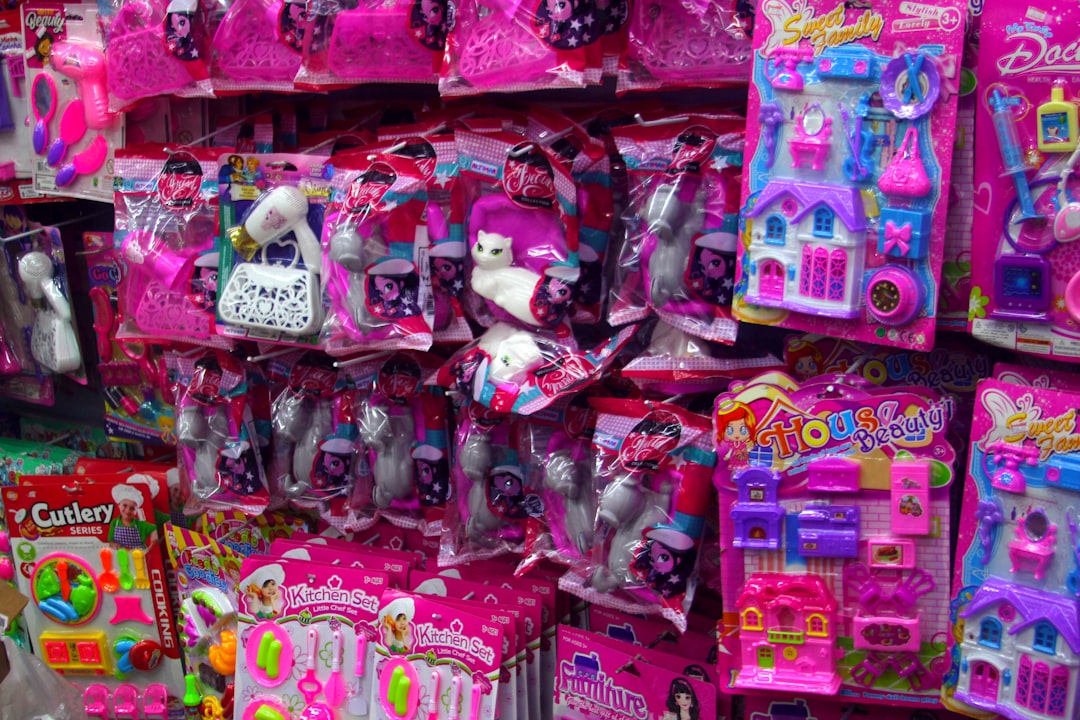
How can GCC retailers prepare for the massive holiday sales surge? The festive season creates a critical staffing challenge for children’s product retailers. Furthermore, the Gulf region’s peak shopping periods demand strategic workforce planning. Consequently, successful toy store seasonal recruitment becomes essential for operational success. This guide provides a comprehensive framework for managing this temporary staffing surge effectively.
The retail landscape in the GCC transforms dramatically during holidays like Eid, Christmas, and Diwali. Moreover, consumer spending on toys and children’s products spikes significantly. Additionally, regional malls and stores experience unprecedented footfall. Therefore, having a robust, compliant hiring strategy is not optional. It is a fundamental requirement for capitalizing on seasonal revenue opportunities.
At Allianze HR Consultancy, we’ve successfully placed 10,000+ professionals across UAE, Saudi Arabia, Qatar, and Kuwait. Furthermore, our 5+ years of GCC expertise supports clients from 50+ countries. Moreover, our Ministry of External Affairs (India) RA license ensures compliance. Therefore, contact our recruitment specialists for expert guidance on your seasonal staffing needs. We specialize in rapid, large-scale deployments for the retail sector.
Understanding GCC Retail Seasonal Staffing Demands
GCC retail markets experience predictable yet intense seasonal peaks. First, major Islamic holidays like Eid al-Fitr and Eid al-Adha drive family shopping. Second, the December holiday season sees expatriate and tourist spending soar. Third, regional festivals and back-to-school periods create additional demand spikes. Consequently, staffing requirements can double or even triple during these windows.
Therefore, forecasting your precise manpower needs is the first critical step. Analyze historical sales data and foot traffic patterns. Additionally, consider new store openings or expanded product lines. Furthermore, account for the extended operating hours common during festivals. This data forms the foundation of your recruitment plan.
Key positions for surge staffing typically include:
- Sales Associates and Cashiers
- Stock Replenishment and Warehouse Assistants
- Customer Service and Gift-Wrapping Specialists
- Inventory Counters and Loss Prevention Officers
- Promotional Event Staff and Brand Ambassadors
Moreover, understanding local consumer behavior is vital. For instance, GCC families often shop late into the night during holidays. Thus, scheduling flexibility becomes a key recruitment criterion. Partnering with a specialist like Allianze ensures you access candidates ready for these unique demands.
Toy Store Seasonal Recruitment Strategic Overview
A strategic approach to toy store seasonal recruitment separates successful retailers from overwhelmed ones. First, define clear objectives for your temporary workforce. Are you focusing on sales conversion, customer experience, or inventory management? Subsequently, build candidate profiles that align with these goals. Furthermore, a phased recruitment timeline prevents last-minute panic hiring.
Initiate your talent acquisition process at least 90 days before the peak season begins. This allows ample time for sourcing, screening, and onboarding. Additionally, consider the competition for retail talent during these periods. Many major chains begin their hiring campaigns early. Therefore, starting your campaign late risks settling for less-qualified candidates.
Effective strategies include:
- Developing a compelling employer value proposition for short-term roles.
- Utilizing social media and local community boards for sourcing.
- Creating streamlined, mobile-friendly application processes.
- Implementing group assessment centers for efficient screening.
- Offering clear pathways to potential permanent employment.
Moreover, integration with your permanent staff is crucial. Temporary workers must understand store policies and brand values. Consequently, a structured orientation program is non-negotiable. This strategic overview ensures your toy store seasonal recruitment drives business results, not just fills vacancies.
Legal Framework and Compliance Standards
Navigating GCC labor laws for temporary contracts requires precision. Each country has specific regulations governing fixed-term employment. For example, UAE labor law defines conditions for limited-term contracts clearly. Similarly, Saudi Arabia’s Ministry of Human Resources sets guidelines for seasonal work. Therefore, non-compliance carries significant financial and reputational risk.
First, ensure all seasonal contracts explicitly state the employment duration and terms. This includes start and end dates, working hours, and compensation structure. Additionally, clarify provisions for overtime, which is common during holidays. Furthermore, understand mandatory benefits like medical insurance and leave entitlements. These vary between the Emirates and Kingdoms.
Critical compliance checkpoints include:
- Valid work permit and visa sponsorship for foreign temporary workers.
- Adherence to wage protection system (WPS) requirements.
- Proper documentation of end-of-service benefits or gratuity.
- Compliance with local working hour and rest day regulations.
- Safety training and insurance coverage as per local law.
Moreover, the International Labour Organization standards provide a global benchmark. Additionally, referencing UAE visa and immigration services portals is essential. Partnering with a licensed consultancy mitigates these complex compliance risks entirely.
Toy Store Seasonal Recruitment Best Practices
Implementing proven best practices transforms your hiring from chaotic to controlled. First, create a standardized training module for all seasonal hires. This ensures consistent customer service and operational knowledge. Furthermore, assign mentors from your permanent staff to support new temporary workers. This accelerates integration and boosts team morale.
Second, leverage technology to streamline the entire process. Use applicant tracking systems (ATS) designed for high-volume hiring. Additionally, implement digital onboarding platforms for paperwork and training. Moreover, utilize scheduling software to manage complex shift patterns efficiently. These tools save administrative time and reduce errors.
Top industry best practices include:
- Conducting realistic job previews during interviews.
- Offering competitive incentives and performance bonuses.
- Maintaining a talent pool of previous seasonal workers for re-hiring.
- Gathering continuous feedback from temporary staff on their experience.
- Conducting post-season reviews to improve the next cycle.
Additionally, consider the insights from the UN World Tourism Organization on seasonal economies. Furthermore, International Labour Organization hospitality standards offer transferable insights for customer-facing roles. These best practices ensure your toy store seasonal recruitment is efficient, effective, and repeatable.
Documentation and Processing Steps
Meticulous documentation is the backbone of compliant mass hiring. Begin with a detailed manpower requisition form approved by management. This document should justify the headcount need and budget. Next, prepare standardized offer letters and fixed-term contract templates. These must be pre-vetted by legal counsel for local law adherence.
The core documentation checklist for each seasonal hire includes:
- Passport copies and personal photographs.
- Educational and experience certificates (if required).
- Signed employment contract in Arabic and English.
- Medical fitness certificate from approved centers.
- Bank account details for salary transfer.
- Emergency contact and personal information forms.
Subsequently, the visa and work permit process begins. This involves submission to relevant government portals like Saudi Ministry of Labor or UAE’s MOHRE. Moreover, processing times can fluctuate during peak government periods. Therefore, building buffer time into your schedule is prudent. Finally, organize all documents in individual employee files, both digitally and physically.

Furthermore, ensure you understand attestation requirements for foreign documents. This process can be time-consuming. Consequently, starting early is critical. Our professional recruitment resources provide detailed checklists for these procedures. Proper documentation prevents legal issues and ensures smooth payroll processing.
Toy Store Seasonal Recruitment Implementation Timeline
A disciplined timeline is critical for successful holiday staffing. Ideally, the entire toy store seasonal recruitment cycle spans 12-14 weeks. This allows for systematic execution without last-minute compromises. The following phased approach ensures thoroughness at each stage.
Phase 1: Planning (Weeks 1-4): Conduct workforce gap analysis. Define roles, budgets, and candidate profiles. Furthermore, develop job descriptions and marketing materials. Additionally, select recruitment partners and finalize contracts.
Phase 2: Sourcing & Screening (Weeks 5-8): Launch advertising campaigns. Screen incoming applications and conduct initial interviews. Subsequently, shortlist candidates for final assessment. Moreover, begin reference and background checks.
Phase 3: Selection & Onboarding (Weeks 9-12): Issue offer letters and collect documentation. Initiate visa and medical processing. Furthermore, conduct mandatory orientation and product training. Additionally, finalize schedules and assign store placements.
Phase 4: Deployment & Support (Week 13+): Temporary staff begin work. Provide on-the-job coaching and performance feedback. Meanwhile, manage payroll setup and compliance tracking. Finally, prepare for the contract conclusion and feedback collection.
Adhering to this timeline requires proactive management. Delays in any phase compress subsequent stages. Therefore, using project management tools is highly recommended. This structured implementation ensures your stores are fully staffed when the first holiday shoppers arrive.
Common Challenges and Solutions
Seasonal hiring presents unique obstacles that employers must anticipate. First, high candidate dropout rates are common. Individuals often accept multiple offers. Consequently, having a backup candidate list is essential. Furthermore, maintaining communication with selected hires before their start date reduces no-shows.
Second, integrating temporary staff with permanent teams can cause friction. Permanent employees may feel threatened or resentful of training duties. Therefore, clearly communicating the temporary nature and business need is vital. Additionally, recognizing permanent staff for their mentorship role improves cooperation.
Other frequent challenges include:
- Challenge: Inadequate training leading to poor customer service.
Solution: Implement condensed, interactive training focused on key tasks. - Challenge: Managing payroll for a large, short-term workforce.
Solution: Use specialized payroll services or software for temporary staff. - Challenge: Ensuring consistent performance across all hires.
Solution: Establish clear KPIs and daily check-ins with team leaders. - Challenge: Legal confusion around end-of-contract procedures.
Solution: Consult experts on final settlement and visa cancellation rules.
Moreover, understanding broader market trends from sources like the World Bank tourism sector reports provides context. Proactively addressing these challenges turns potential problems into managed processes.
Expert Recommendations for Success
Beyond basic compliance, excellence in seasonal hiring requires strategic insight. First, treat your temporary workforce as brand ambassadors. Their interaction with customers defines the holiday shopping experience. Therefore, invest in their engagement and motivation. Simple recognition programs can dramatically improve performance and retention.
Second, build a data-driven recruitment model. Track metrics like cost-per-hire, time-to-fill, and seasonal employee retention rate. Furthermore, measure the sales performance of staffed departments versus targets. This data informs and improves your strategy for the following year. Moreover, it justifies the investment in robust hiring processes to management.
Our top expert recommendations are:
- Partner with a specialized HR consultancy with retail sector experience.
- Develop a compelling “seasonal employee” value proposition.
- Create a seamless offboarding process that encourages re-application.
- Ensure your scheduling is fair and complies with all workplace health guidelines on rest.
- Leverage U.S. Department of Commerce trade resources for retail best practices.
Finally, view seasonal recruitment as a talent pipeline, not just a short-term fix. Exceptional temporary workers are prime candidates for future permanent roles. Consequently, managing this process well yields long-term talent benefits. It also builds your employer brand in the local community.
Frequently Asked Questions About Toy Store Seasonal Recruitment
What is the timeline for toy store seasonal recruitment?
A complete cycle typically requires 12-14 weeks for GCC-based hiring. This includes planning, sourcing, visa processing, and training. Furthermore, starting early is critical to avoid peak government processing delays. Therefore, consult our specialists at least 3 months before your staff start date.
What are the main compliance risks in holiday surge staffing?
Key risks include incorrect contract types, visa violations, and wage protection system non-compliance. Additionally, failing to provide mandated benefits like medical insurance poses legal issues. Moreover, proper overtime calculation and payment are common audit points. Expert guidance mitigates these risks effectively.
How can we ensure quality when hiring at large volume?
Implement structured group interviews and role-playing assessments. Furthermore, use standardized checklists for all interviewers. Additionally, checking references even for temporary roles is advisable. Partnering with an agency that pre-vets candidates also ensures a higher quality shortlist.
Can seasonal staff be converted to permanent employees?
Yes, subject to visa regulations and business needs. Many retailers use seasonal periods as extended interviews. Furthermore, converting a high-performer involves terminating the fixed-term contract and issuing a new unlimited one. However, specific labor ministry procedures must be followed for sponsorship transfer.
What is the typical cost structure for mass seasonal hiring?
Costs include recruitment fees, visa/medical processing, training, uniforms, and wages. Furthermore, potential overtime and incentive bonuses add to the expenditure. A detailed budget should also account for administrative overhead. Request a transparent quotation from your recruitment partner for accurate planning.
How does Allianze HR streamline the bulk hiring process?
We provide an end-to-end managed service. This includes candidate sourcing from our verified database, compliance management, and onboarding coordination. Moreover, we handle all documentation and government liaison. Consequently, our clients focus on core business while we ensure stores are staffed on time.
Partner with Allianze HR for Seasonal Staffing Success
Mastering toy store seasonal recruitment is a complex but manageable endeavor. This guide has outlined the strategic, operational, and compliance pillars of success. From early planning to legal documentation, each step