



Training Kitchen Helpers in Food Safety
Understanding the Global Landscape of Food Safety
Food safety standards vary significantly across international borders. Therefore, understanding these differences forms the foundation of effective training programs. The World Health Organization emphasizes that foodborne hazards know no borders, making standardized training essential for multinational operations.
For example, the FDA’s Food Code differs from the EU’s food safety regulations. Meanwhile, Asian countries often follow Codex Alimentarius standards with local modifications. Consequently, trainers must research and incorporate region-specific requirements into their curriculum.
Key Components of Food Safety Training Abroad
Effective food safety training for kitchen helpers overseas must cover several critical areas. Additionally, each component requires cultural adaptation and practical demonstration.
Personal Hygiene and Health Standards
Personal hygiene practices vary widely across cultures. Thus, trainers must establish clear, non-negotiable standards. Importantly, focus on handwashing techniques, proper uniform usage, and illness reporting protocols.
Use visual aids and demonstrations to overcome language barriers. Furthermore, implement regular handwashing audits and provide sufficient facilities. The World Health Organization provides excellent resources for global hygiene standards.
Cross-Cultural Food Safety Communication
Communication styles and learning preferences differ internationally. Therefore, adapt your training approach to local cultural norms. For instance, some cultures value hierarchical instruction while others prefer collaborative learning.
Hire bilingual trainers or use professional interpreters. Additionally, translate materials into local languages using simple, clear terminology. Meanwhile, incorporate visual learning tools like videos, diagrams, and color-coded systems.
Implementing HACCP Principles in International Kitchens
Hazard Analysis Critical Control Point (HACCP) systems provide a framework for food safety management. However, implementation requires careful adaptation to local conditions and resources.
Temperature Control and Monitoring
Proper temperature control prevents pathogen growth. Consequently, train kitchen helpers on using thermometers and maintaining temperature logs. Additionally, account for local climate conditions that may affect food storage.
Use Celsius or Fahrenheit based on local conventions. Furthermore, provide reliable equipment that can withstand local power fluctuations. The FDA’s HACCP principles offer valuable guidance for international adaptation.
Supply Chain and Vendor Management
Local supply chains may present unique food safety challenges. Therefore, train staff on proper receiving procedures and vendor verification. Importantly, develop relationships with reputable local suppliers who meet your safety standards.
Conduct regular supplier audits and provide training on proper storage practices. Meanwhile, establish clear specifications for all purchased ingredients.
Overcoming Language and Literacy Barriers
Language differences present significant challenges in food safety training abroad. However, several strategies can effectively bridge these gaps.
Visual Training Tools and Demonstrations
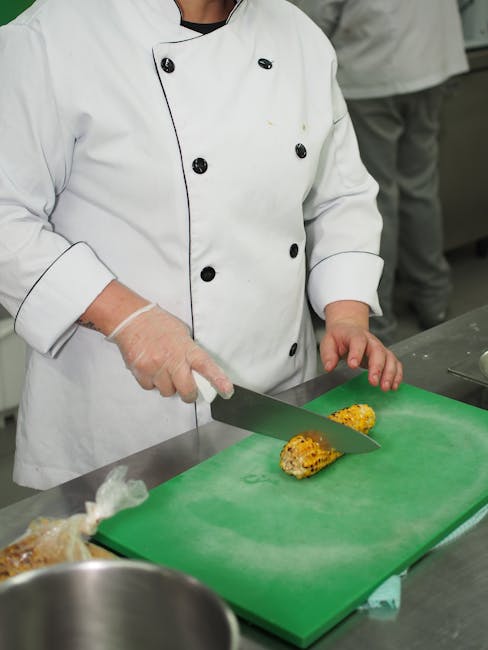
Visual learning transcends language barriers. Thus, develop comprehensive visual guides for all procedures. Use color-coded cutting boards, utensils, and storage containers to indicate specific uses.
Create pictorial standard operating procedures (SOPs) for critical tasks. Additionally, use video demonstrations with subtitles in local languages. Furthermore, implement hands-on training sessions with immediate feedback.
Simplified Documentation Systems
Complex documentation systems often fail in multilingual environments. Therefore, develop simplified record-keeping tools. Use checklists with pictograms rather than text-heavy forms.
Implement digital tools with multilingual support when possible. Additionally, train supervisors to verify understanding through demonstration rather than verbal confirmation.
Cultural Considerations in Food Safety Training
Cultural attitudes toward food safety vary significantly worldwide. Consequently, trainers must approach cultural differences with sensitivity while maintaining essential standards.
Respecting Traditional Practices While Ensuring Safety
Some traditional food handling practices may conflict with modern safety standards. Therefore, find compromises that respect cultural heritage while ensuring safety. For example, adapt traditional fermentation methods to include safety controls.
Engage local culinary experts in program development. Furthermore, explain the scientific rationale behind safety requirements to build understanding rather than simply imposing rules.
Motivation and Engagement Strategies
Motivation factors differ across cultures. Thus, tailor your engagement approach to local values. Some teams respond best to individual recognition while others prefer group incentives.
Connect food safety practices to local values like hospitality, reputation, or family protection. Additionally, involve local leaders in promoting safety culture. The FoodSafety.gov platform offers culturally adaptable training materials.
Monitoring and Compliance Strategies
Consistent monitoring ensures long-term compliance with food safety standards. However, traditional audit methods may require adaptation for international operations.
Regular Audits and Performance Metrics
Establish clear key performance indicators (KPIs) for food safety. Consequently, track metrics like internal audit scores, health inspection results, and incident reports.
Conduct unannounced audits to assess real compliance levels. Additionally, use digital checklists that automatically sync to central systems. Meanwhile, provide immediate feedback and recognition for improvements.
Continuous Improvement and Retraining
Food safety training requires ongoing reinforcement. Therefore, implement regular refresher courses and updates. Schedule quarterly training sessions to address seasonal risks and procedure updates.
Create a culture where staff feel comfortable reporting concerns without fear. Furthermore, establish clear channels for safety suggestions and improvements. The FDA’s Current Good Manufacturing Practices provide framework for continuous improvement systems.
Leveraging Technology in International Food Safety Training
Technology offers powerful solutions for consistent training across multiple locations. However, implementation must account for local infrastructure and accessibility.
Digital Learning Platforms
Online training platforms enable standardized content delivery. Thus, develop mobile-friendly courses that work with limited bandwidth. Use interactive elements like quizzes and simulations to enhance engagement.
Implement learning management systems that track completion and comprehension. Additionally, use video conferencing for live training sessions across time zones.
Digital Monitoring Tools
Smart sensors and IoT devices can automate safety monitoring. For example, use digital thermometers that alert managers to temperature deviations. Additionally, implement digital checklists that guide staff through procedures.
Choose technology appropriate for local infrastructure conditions. Furthermore, provide thorough training on any new equipment or software introduced.
Frequently Asked Questions
What are the biggest challenges in training kitchen helpers in food safety abroad?
The primary challenges include language barriers, cultural differences in food handling practices, varying regulatory requirements, and limited access to consistent training resources across different locations.
How often should food safety training be conducted for international kitchen staff?
Initial training should occur during onboarding, with refresher courses quarterly. Additionally, conduct immediate retraining after any safety incident or procedure change.
What food safety certifications are recognized internationally?
Internationally recognized certifications include HACCP, ISO 22000, SERVSafe International, and Codex Alimentarius standards. However, always verify local regulatory requirements.
How can I measure the effectiveness of food safety training abroad?
Measure effectiveness through audit scores, health inspection results, incident reports, observational assessments, and knowledge testing before and after training sessions.
What are the best methods for training kitchen helpers with limited literacy?
Use visual demonstrations, hands-on practice, pictorial guides, color-coding systems, and verbal instructions in the native language. Additionally, focus on practical skills rather than written tests.
Conclusion
In conclusion, training kitchen helpers in food safety abroad requires careful planning, cultural sensitivity, and adaptive strategies. Effective programs combine standardized principles with localized implementation, ensuring both compliance and practical applicability. Furthermore, successful international food safety training protects customers, enhances brand reputation, and contributes to operational excellence across global locations. Finally, invest in continuous improvement and technology integration to maintain consistent standards. Ready to develop your international food safety program? Contact us for expert guidance or explore our comprehensive resources for additional support. Alternatively, schedule a consultation to discuss your specific needs and challenges.