


Training Waiters for Mega Events Abroad
Understanding the Unique Demands of Mega Events Abroad
Mega events present extraordinary challenges that differ significantly from regular service environments. Firstly, staff must handle immense guest volumes while maintaining impeccable standards. Additionally, international venues often feature unfamiliar layouts and equipment. Moreover, language barriers and cultural differences complicate communication dynamics. Therefore, comprehensive training must address these unique pressures specifically.
For example, the Olympic Games require serving millions of meals across diverse venues. Similarly, global exhibitions and international summits demand precision under intense scrutiny. Consequently, training programs must simulate these high-stakes conditions. Ultimately, preparation determines performance.
Core Competencies for International Service Staff
Effective training waiters for overseas events focuses on developing critical competencies. Firstly, linguistic skills enable basic communication in the host country’s language. Secondly, cultural intelligence fosters appropriate guest interactions. Additionally, technical proficiency ensures efficient service delivery. Furthermore, problem-solving abilities allow quick adaptation to unforeseen challenges.
Staff should master:
- Multilingual menu terminology and common phrases
- International etiquette and dining customs
- Advanced point-of-sale systems and payment protocols
- Emergency procedures and safety regulations
According to SHRM research, culturally competent staff demonstrate 30% higher performance in international settings. Therefore, investing in comprehensive competency development yields significant returns.
Cultural Sensitivity and Adaptation Training
Cultural training forms the cornerstone of international service preparation. Initially, staff learn about communication styles, gestures, and social norms. Subsequently, they practice navigating potentially sensitive situations. Moreover, they study religious dietary restrictions and culinary preferences. Consequently, they avoid cultural misunderstandings that could compromise guest experiences.
For instance, serving alcohol in Muslim-majority countries requires particular sensitivity. Similarly, understanding tipping expectations varies globally. The U.S. Department of State offers excellent cultural orientation resources. Additionally, local cultural consultants can provide specific insights. Ultimately, cultural fluency separates adequate service from exceptional hospitality.
Logistical Planning for International Waiter Deployment
Deploying staff internationally involves complex logistical coordination. First, visa requirements and work permits must be secured well in advance. Second, accommodation and transportation arrangements require meticulous planning. Furthermore, equipment and uniform logistics demand attention. Meanwhile, health insurance and emergency protocols must be established.
Successful organizations use specialized software for:
- Document management and expiration tracking
- Travel itinerary coordination
- Accommodation allocation and rooming lists
- Emergency contact systems and communication trees
Notably, the International Chamber of Commerce provides guidelines on international employment standards. Consequently, proper planning prevents logistical failures.
Language Preparation and Communication Strategies
Language barriers represent significant challenges in international service environments. Therefore, effective training waiters for foreign events includes practical language instruction. Specifically, staff learn key phrases for taking orders, handling payments, and addressing concerns. Additionally, they practice pronunciation through immersive exercises. Moreover, they study non-verbal communication cues.
Many organizations use:
- Customized phrasebooks and mobile applications
- Role-playing scenarios with native speakers
- Translation technology for complex interactions
- Visual ordering systems to bridge language gaps
The American Council on Foreign Language Teaching emphasizes context-based language learning for service industries. Consequently, practical communication skills enhance service efficiency.
Technical Skills and Service Protocol Standardization
International events require flawless technical execution across diverse teams. Initially, organizations must establish unified service protocols. Subsequently, staff train on specific equipment and venue layouts. Moreover, they practice standardized procedures for order taking, delivery, and billing. Furthermore, they master emergency response coordination.
Critical technical skills include:
- High-volume beverage service techniques
- Specialized equipment operation and safety
- Payment processing across different currencies
- Allergy awareness and food safety compliance
According to Ecolab food safety research, standardized protocols reduce service errors by 45%. Therefore, technical consistency ensures operational excellence.
Building Team Cohesion Across Cultural Boundaries
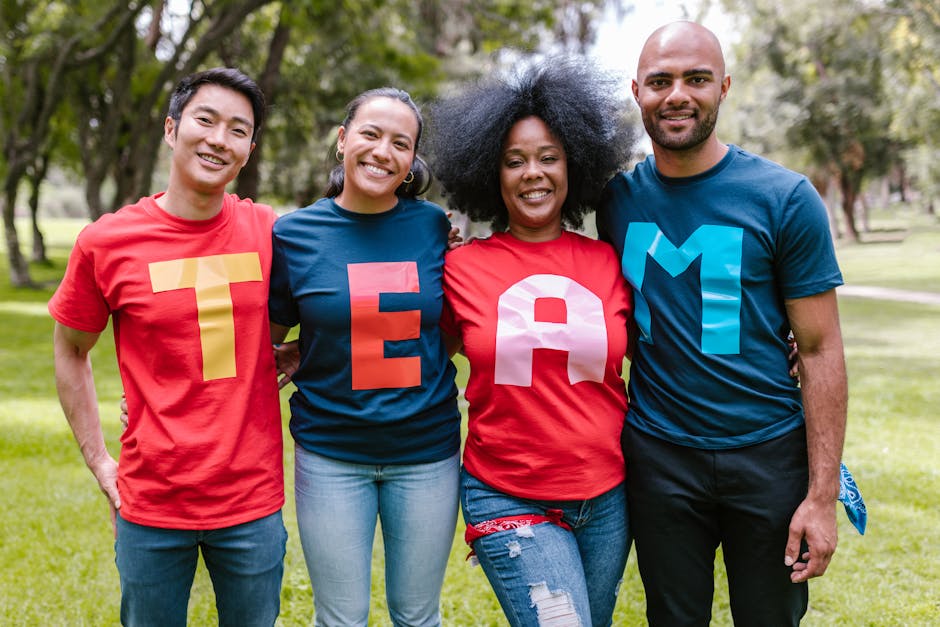
International events often feature staff from multiple nationalities. Consequently, building cohesive teams requires deliberate effort. First, icebreaker activities help establish personal connections. Second, cross-cultural training promotes mutual understanding. Additionally, shared goals and clear communication channels foster collaboration. Moreover, team-building exercises strengthen working relationships.
Effective strategies include:
- Cultural exchange sessions during training
- Mixed-nationality team assignments
- Clear conflict resolution mechanisms
- Shared social activities outside work hours
Research from Harvard Business Review shows cohesive teams demonstrate 25% higher productivity. Therefore, investment in team dynamics delivers operational benefits.
On-Site Support and Continuous Training During Events
Training continues even after deployment to the event location. Initially, staff receive venue-specific orientation. Subsequently, daily briefings address emerging challenges. Moreover, mentors provide real-time coaching and feedback. Furthermore, performance monitoring identifies areas needing improvement.
Successful on-site support includes:

- Dedicated training space within the venue
- Multilingual training materials and job aids
- Quick-reference guides for common situations
- Regular skill reinforcement sessions
Continuous learning adapts to evolving event dynamics. Consequently, staff maintain performance standards throughout the event duration.
Post-Event Evaluation and Knowledge Transfer
After events conclude, systematic evaluation captures lessons learned. First, staff participate in debriefing sessions. Second, performance data undergoes analysis. Moreover, successful practices document for future events. Furthermore, identified improvements inform training curriculum updates.
Evaluation should assess:
- Service quality metrics and guest feedback
- Training effectiveness and knowledge retention
- Logistical coordination efficiency
- Team dynamics and leadership effectiveness
This knowledge transfer ensures continuous improvement across events. Therefore, each international engagement builds institutional capability.
Frequently Asked Questions
What is the optimal timeline for training waiters for international mega events?
Ideally, begin training 3-6 months before deployment. This allows sufficient time for language acquisition, cultural training, and technical skill development. Additionally, it accommodates visa processing and logistical arrangements.
How do you handle dietary restrictions across different cultures?
Comprehensive training includes religious dietary laws, common allergies, and cultural preferences. Additionally, visual identification systems and multilingual menu coding help staff navigate restrictions effectively. Furthermore, collaboration with local culinary experts ensures appropriate meal options.
What are the biggest challenges in training waiters for events abroad?
Key challenges include language barriers, cultural adaptation, logistical complexity, and team integration. Additionally, varying regulatory environments and unknown venue conditions present difficulties. However, systematic preparation mitigates these challenges effectively.
How much does international waiter training typically cost?
Costs vary significantly based on event duration and location. However, comprehensive training programs typically invest $2,000-$5,000 per staff member. This includes language training, cultural orientation, technical skills, and logistical support. Ultimately, the investment prevents costly service failures.
What qualifications should trainers for international service staff possess?
Effective trainers combine hospitality expertise with international experience. Additionally, they should possess cross-cultural communication skills and knowledge of local regulations. Furthermore, experience with large-scale events and multilingual capabilities are essential qualifications.
Conclusion: Mastering International Service Excellence
In conclusion, training waiters to support mega events abroad requires comprehensive preparation across multiple dimensions. Specifically, cultural competence, linguistic skills, and technical mastery form the foundation of success. Moreover, logistical planning and team cohesion ensure smooth operations. Furthermore, continuous learning and post-event evaluation drive improvement. Ultimately, organizations that invest in systematic training deliver exceptional international service experiences. Consequently, they establish reputations for excellence in global hospitality markets.
Ready to develop your international service capability? Explore our comprehensive resources for detailed training frameworks. Alternatively, contact our experts for personalized consultation. Finally, schedule a strategy session to develop your customized international training program today.