


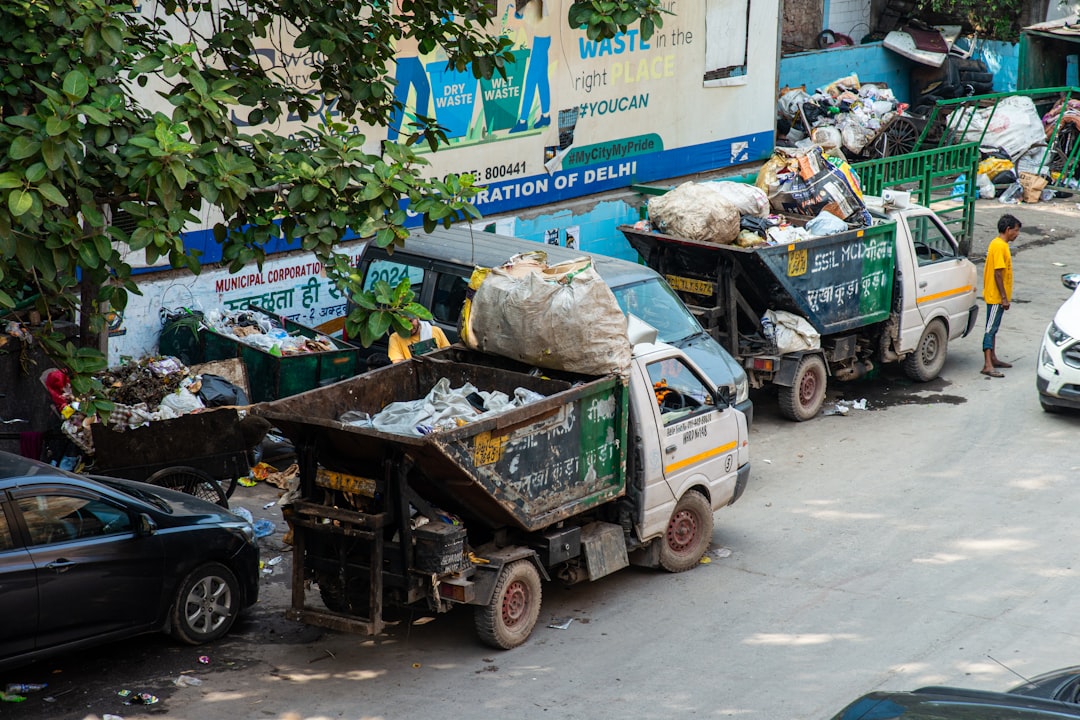
How can your facility master daily waste management to ensure operational efficiency and regulatory compliance? In the fast-paced GCC business environment, effective trash collection and waste management are critical for health, safety, and sustainability. Furthermore, poorly managed garbage removal schedules and incorrect container sizing lead to violations, environmental harm, and increased operational costs. Therefore, a strategic approach to facility garbage removal is essential for any successful enterprise. This guide provides a comprehensive framework for optimizing your trash collection waste management systems.
Across the Gulf region, stringent environmental regulations govern commercial and industrial waste streams. Moreover, the hospitality, construction, and facilities management sectors generate significant volumes of refuse. Consequently, understanding local municipal requirements and best practices becomes a key operational priority. Additionally, proper waste handling impacts public health, corporate reputation, and worker safety standards. Thus, employers must implement robust systems for daily disposal and recycling.
At Allianze HR Consultancy, we’ve successfully placed 10,000+ professionals across UAE, Saudi Arabia, Qatar, and Kuwait. Furthermore, our 5+ years of GCC expertise supports clients from 50+ countries in building efficient operational teams, including facilities and sanitation staff. Moreover, our Ministry of External Affairs (India) RA license ensures compliance in all recruitment and deployment activities. Therefore, contact our recruitment specialists for expert guidance in staffing your waste management operations with qualified personnel.
Understanding GCC Waste Disposal Requirements
GCC nations have implemented rigorous frameworks for commercial waste handling. Each emirate and kingdom enforces specific rules for segregation, collection frequency, and final disposal. For example, Dubai Municipality mandates separate streams for general, recyclable, and hazardous waste. Similarly, Saudi Arabia’s Vision 2030 emphasizes environmental sustainability and waste reduction targets. Therefore, employers must first comprehend local bylaws.
Common requirements include licensed contractor partnerships, proper on-site storage, and detailed waste transfer notes. Additionally, facilities must maintain records for audit purposes. Non-compliance results in substantial fines and potential operational shutdowns. Consequently, a proactive compliance strategy is not optional. Furthermore, integrating waste management into your overall professional recruitment resources for facilities staff ensures long-term adherence.
- Municipal collection schedules for different zones and business types.
- Mandatory waste segregation into categories (organic, paper, plastic, hazardous).
- Requirements for using approved waste collection service providers.
- Standards for waste storage area hygiene and pest control.
- Documentation and reporting obligations for large waste generators.
- Penalties for illegal dumping or improper waste handling.
Trash Collection Waste Management Strategic Overview
A strategic trash collection waste management plan aligns disposal activities with business operations. First, conduct a comprehensive waste audit to identify types and volumes generated. Next, analyze peak generation times and locations within your facility. This data directly informs optimal collection schedules and container placement. Moreover, it helps in right-sizing your workforce for daily cleaning and waste handling tasks.
Strategic planning also involves selecting the correct service model. Options include municipal services, private contractors, or in-house teams. Each choice has implications for cost, control, and compliance. Furthermore, consider future growth and seasonal fluctuations in waste volume. Therefore, your strategy must be scalable. Additionally, integrating with broader sustainability goals, like recycling initiatives, enhances corporate responsibility. Partnering with experts for staffing these critical roles is streamlined when you schedule consultation appointment with our team.
- Conduct regular waste composition audits and volume tracking.
- Map internal waste collection points for staff and customer convenience.
- Evaluate cost-benefit of in-house crews versus contracted services.
- Implement digital tools for schedule management and service verification.
- Align waste management KPIs with overall facility management objectives.
- Develop contingency plans for service disruptions or overflow situations.
Legal Framework and Compliance Standards
Navigating the GCC’s legal landscape for waste is complex. Employers must adhere to multiple layers of regulation. Key authorities include municipal bodies, environmental agencies, and public health departments. For instance, the UAE green building regulations often include waste management criteria. Similarly, standards from the International Labour Organization workplace safety guidelines protect workers handling refuse.
Compliance involves obtaining necessary permits for waste storage and transportation. Additionally, staff handling waste must receive proper training on segregation protocols and personal protective equipment (PPE). Consequently, your recruitment process must prioritize candidates with relevant training or aptitude. Moreover, contracts with waste contractors must be vetted for compliance clauses. Regular internal audits are essential to prevent violations. Understanding these frameworks is crucial, as highlighted in World Bank urban development reports on urban service efficiency.
- Secure municipal approval for on-site waste storage facilities.
- Ensure all waste handling staff complete certified safety training.
- Maintain legally required manifests for waste movement off-site.
- Adhere to specific guidelines for electronic (e-waste) and construction debris.
- Implement a compliance calendar for permit renewals and reporting deadlines.
- Designate a compliance officer to monitor regulatory updates.
Trash Collection Waste Management Best Practices
Implementing industry best practices transforms your trash collection waste management from a cost center to a value-added operation. First, establish clear standard operating procedures (SOPs) for daily collection, segregation, and storage. These SOPs should be accessible to all cleaning and facilities staff. Furthermore, use color-coded bins and clear signage to minimize contamination of recyclable streams. This simple step dramatically improves recycling rates and reduces disposal fees.
Another best practice is leveraging technology. Route optimization software for collection vehicles reduces fuel costs and emissions. Additionally, sensor-equipped bins can signal when they are full, preventing overflow and enabling just-in-time collection. Moreover, regular training and incentive programs for staff foster a culture of waste consciousness. Consequently, employee engagement in sustainability goals increases. These practices also support better World Health Organization indoor air quality by preventing odor and pest issues.
- Develop and display visual SOPs at all waste collection points.
- Invest in durable, standardized container systems across all facilities.
- Conduct monthly review meetings with waste management staff and contractors.
- Track and publicly report waste diversion and recycling metrics.
- Engage employees through green committees and waste reduction challenges.
- Partner with recycling vendors to create closed-loop systems for key materials.
Documentation and Processing Steps
Robust documentation is the backbone of compliant waste management. Essential records begin with waste transfer notes (WTNs) for every load removed from your site. These documents detail the waste type, quantity, carrier, and destination facility. Moreover, they provide a legal audit trail. Additionally, maintain training certificates for all personnel involved in waste handling. This proves due diligence in case of incidents or inspections.
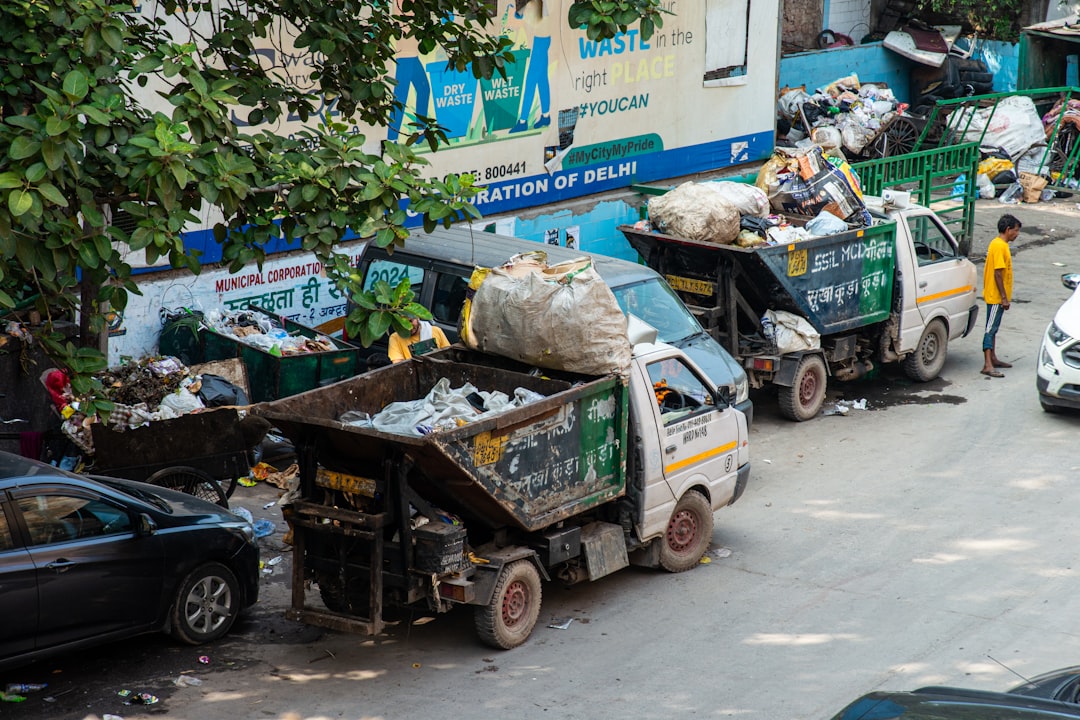
The processing steps for daily waste involve a consistent cycle. First, waste is generated and deposited in correctly labeled containers. Next, internal staff collect and transfer it to a central holding area. Subsequently, scheduled pickups by authorized contractors occur. Finally, the waste is transported to licensed treatment or disposal facilities. Each step requires verification and recording. Therefore, a digital logbook or facility management system is highly recommended. This systematic approach aligns with professional standards advocated by the International Facility Management Association.
- Create a centralized digital repository for all waste-related documents.
- Use checklists for daily visual inspections of storage areas and containers.
- Implement a signing-in/out process for waste contractor arrivals and departures.
- Keep annual service contracts and insurance certificates for contractors on file.
- Document any waste-related incidents, spills, or complaints with corrective actions.
- Regularly audit contractor invoices against WTNs to verify service delivery.
Trash Collection Waste Management Implementation Timeline
Rolling out a new or improved trash collection waste management system requires careful phasing. A typical implementation timeline spans 8-12 weeks. Week 1-2 involves the initial waste audit and stakeholder meetings. Subsequently, weeks 3-4 focus on procuring appropriate containers and finalizing contracts with service providers. Meanwhile, parallel activities include developing SOPs and ordering signage. Furthermore, staff training programs should be scheduled for week 5-6.
The pilot launch of the new system occurs in week 7, typically in one building or department. This allows for troubleshooting before full-scale rollout. Finally, the organization-wide implementation happens in week 8, followed by a 4-week monitoring and adjustment period. Therefore, patience and iterative improvement are key. Moreover, clear communication with all employees throughout this timeline ensures smooth adoption. For support in recruiting and training the team to execute this timeline, contact our HR specialists.
- Week 1-2: Baseline assessment, goal setting, and budget approval.
- Week 3-4: Procurement of equipment and finalization of vendor agreements.
- Week 5-6: Development of training materials and conduction of staff training sessions.
- Week 7: Limited pilot program launch and feedback collection.
- Week 8: Full facility rollout and go-live of the new system.
- Week 9-12: Performance monitoring, KPI tracking, and process refinement.
Common Challenges and Solutions
Facilities across the GCC encounter similar waste management hurdles. A frequent challenge is staff non-compliance with segregation rules, leading to contaminated recycling streams. The solution involves continuous education and making the correct choice the easiest choice through better bin placement. Another common issue is overflow due to inaccurate scheduling. Implementing sensor technology or adjusting pickup frequency based on data solves this problem.
Budget constraints often limit investment in optimal containers or services. However, the solution lies in demonstrating ROI through reduced disposal costs and potential revenue from recyclables. Additionally, navigating the regulatory paperwork can be daunting. Consequently, appointing a dedicated coordinator or using a compliance software platform is effective. Furthermore, extreme summer heat accelerates decomposition and odor. Therefore, more frequent collection and sealed, insect-proof containers are mandatory. These operational insights complement broader health guidelines from the World Health Organization workplace health standards.
- Challenge: Poor segregation. Solution: Simplified bin systems with pictures and frequent audits.
- Challenge: Odor and pests. Solution: Daily cleaning of bins and secured storage areas.
- Challenge: Rising disposal costs. Solution: Aggressive recycling and waste reduction programs.
- Challenge: Contractor reliability. Solution: Clear SLAs in contracts and regular performance reviews.
- Challenge: Lack of space for containers. Solution: Compactors or more frequent, smaller collections.
- Challenge: Employee engagement. Solution: Recognition programs for departments with best practices.
Expert Recommendations for Success
For long-term success, integrate waste management into your core business strategy. First, secure executive sponsorship to ensure adequate resources and visibility. Next, treat waste data with the same importance as financial data. Regular reporting on generation, recycling rates, and costs drives informed decision-making. Moreover, view your waste team as essential frontline staff. Invest in their training, safety, and professional development to reduce turnover and improve performance.
Furthermore, stay ahead of regulatory curves by engaging with industry groups and municipal sustainability offices. Proactively adopting higher standards can provide a competitive advantage. Additionally, explore circular economy opportunities where your waste becomes feedstock for another local business. Finally, remember that effective systems depend on reliable people. Partnering with a recruitment expert like Allianze ensures you find and retain staff who are diligent, safety-conscious, and aligned with your sustainability mission. This holistic approach is supported by global benchmarks in the World Bank labor market insights.
- Appoint a senior-level “Waste Champion” to oversee and advocate for the program.
- Benchmark your performance against similar facilities in the GCC region.
- Conduct annual reviews of your waste management strategy and technology options.
- Build strong, collaborative relationships with your waste service providers.
- Publicize your waste reduction successes in corporate communications and marketing.
- Prioritize the recruitment of facilities staff with specific training in environmental services.
Frequently Asked Questions About Trash Collection Waste Management
What is the timeline for implementing a new trash collection waste management system?
A full implementation typically takes 8-12 weeks. This includes auditing, planning, procurement, staff training, and a pilot phase. Furthermore, the complexity of your facility affects the duration. Therefore, consult our specialists for a tailored project plan.
How do we determine the right container sizing for our facility?
Conduct a waste audit to measure daily volumes by type. Additionally, consider collection frequency and available storage space. Moreover, factor in peak operational periods. Consequently, a mix of container sizes often provides the most flexible and efficient solution.
What are the key compliance risks in GCC waste management?
Major risks include improper segregation, using unlicensed contractors, lacking proper documentation, and illegal dumping. Additionally, failing to train staff on safety procedures creates significant liability. Consequently, a documented compliance program is essential for risk mitigation.
How can we improve staff participation in recycling programs?
Use clear, multilingual signage with images. Furthermore, place recycling bins next to all general waste bins. Additionally, provide regular feedback and consider incentive programs. Moreover, leadership endorsement and visible participation dramatically increase engagement rates.
Does Allianze HR recruit for waste management and facilities roles?
Yes. We specialize in recruiting for all facility management positions, including sanitation supervisors, waste collection crews, and environmental services coordinators. Furthermore, we ensure candidates understand GCC compliance standards and possess the necessary technical skills.
What technology is most useful for managing daily garbage removal schedules?
Facility management software with waste modules is highly effective. Additionally, IoT bin sensors provide real-time fullness data. Moreover, GPS tracking for collection vehicles optimizes routes. Therefore, a combination of these technologies offers the greatest control and efficiency.