


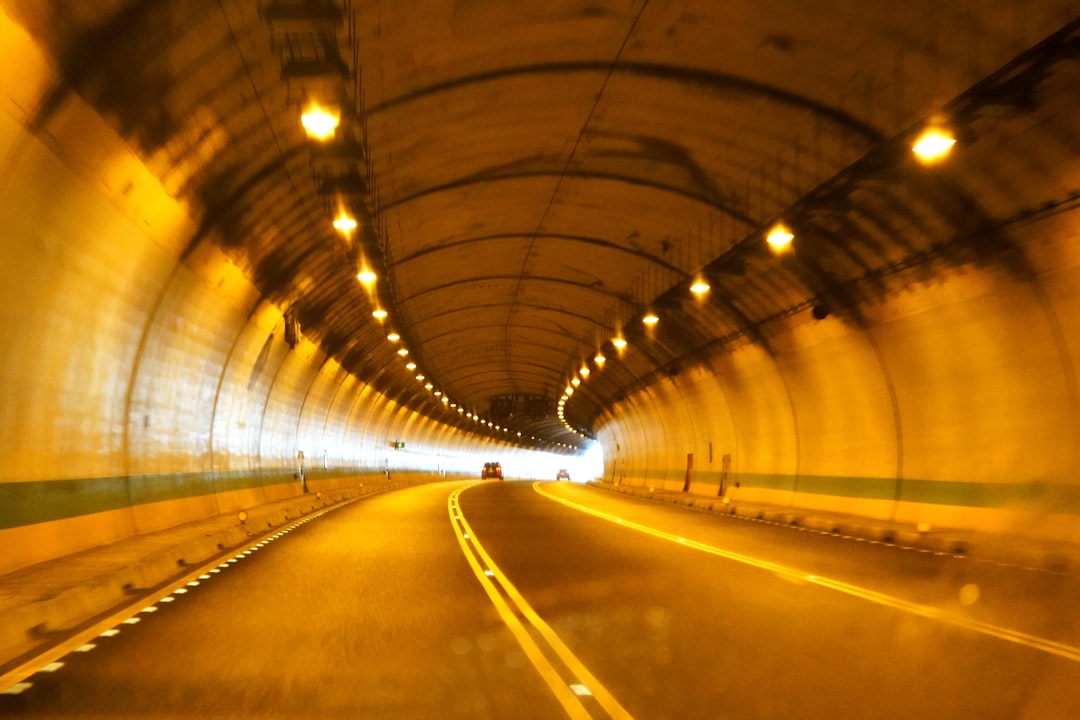
How can GCC infrastructure developers ensure the safety, efficiency, and longevity of their critical subterranean assets? Furthermore, the region’s ambitious metro, utility, and transportation projects demand specialized expertise. Consequently, tunnel FM operations infrastructure management emerges as a critical discipline. This comprehensive guide explores strategic facility management for underground environments. Moreover, it highlights the vital role of ventilation expertise in subterranean facility maintenance.
The GCC’s rapid urbanization drives extensive underground construction. Tunnels for metros, roads, and utilities form the backbone of modern cities. Therefore, their operational management requires unique skills and protocols. Additionally, the confined, high-risk nature of these spaces mandates rigorous safety standards. Understanding these requirements is essential for project owners and operators across the Gulf.
At Allianze HR Consultancy, we’ve successfully placed 10,000+ professionals across UAE, Saudi Arabia, Qatar, and Kuwait. Furthermore, our 5+ years of GCC expertise supports clients from 50+ countries. Moreover, our Ministry of External Affairs (India) RA license ensures compliance. Therefore, contact our recruitment specialists for expert guidance on staffing your critical infrastructure projects with qualified tunnel operations and maintenance teams.
Understanding Subterranean Facility Management Requirements
Managing underground infrastructure presents distinct challenges compared to above-ground facilities. First, environmental control is paramount for safety and functionality. Second, access and egress routes are limited, affecting emergency response. Third, structural integrity monitoring requires specialized technical assessments. Additionally, these facilities often house critical utilities and transportation systems.
Key operational areas include continuous air quality management and dust suppression. Furthermore, drainage and waterproofing systems prevent flooding and corrosion. Lighting and communication networks must remain fail-safe at all times. Moreover, structural health monitoring detects ground movement or stress. Fire detection and suppression systems require redundant designs for confined spaces.
GCC-specific factors intensify these requirements. The region’s geology, including sand and high water tables, affects tunnel stability. Moreover, extreme external temperatures increase cooling and ventilation loads. Consequently, recruitment must target professionals with relevant regional experience. Understanding these nuances ensures effective professional recruitment resources for your project.
- 24/7 environmental monitoring and control systems.
- Redundant mechanical, electrical, and plumbing (MEP) systems.
- Specialized emergency and evacuation procedure protocols.
- Corrosion-resistant materials and maintenance schedules.
- Integration with smart city and above-ground infrastructure networks.
Tunnel FM Operations Infrastructure Strategic Overview
Effective tunnel FM operations infrastructure management requires a holistic, lifecycle approach. This strategy begins during the design and construction phases. Furthermore, it extends through commissioning, daily operations, and long-term renewal. Therefore, planning must integrate operations and maintenance considerations from the outset. A strategic overview aligns technical requirements with business continuity goals.
The core objective is ensuring uninterrupted service and maximum asset lifespan. This demands a balanced focus on preventive, predictive, and corrective maintenance. Additionally, resource planning for manpower, spare parts, and technology is crucial. Moreover, data-driven decision-making optimizes performance and reduces downtime. Consequently, strategic tunnel management blends engineering, technology, and human expertise.
For employers, this means building teams with diverse but complementary skills. Mechanical engineers, HVAC specialists, and electrical technicians form the core. Furthermore, safety officers and control room operators ensure procedural adherence. Therefore, a strategic recruitment plan mirrors the operational strategy itself. Partnering with experts like Allianze HR ensures access to this specialized talent pool.
- Lifecycle cost analysis and total cost of ownership modeling.
- Integration of Building Information Modeling (BIM) for maintenance.
- Development of Standard Operating Procedures (SOPs) for all scenarios.
- Implementation of Computerized Maintenance Management Systems (CMMS).
- Stakeholder communication and public safety interface protocols.
Legal Framework and Compliance Standards
GCC tunnel operations are governed by a complex web of international and local regulations. First, global standards from bodies like the International Labour Organization provide baseline safety principles. Second, country-specific civil defense and municipal codes dictate detailed requirements. Third, industry-specific guidelines for rail, road, or utilities add another layer. Navigating this landscape is non-negotiable for operational licenses.
In the UAE, adherence to the green building and sustainability regulations may also apply to underground energy use. Similarly, Saudi Arabia’s Vision 2030 projects enforce stringent operational standards. Moreover, Qatar’s infrastructure legacy from major events sets high benchmarks. Consequently, compliance is not static but an ongoing process of audits and updates.
Key compliance documents include risk assessments, method statements, and emergency plans. Furthermore, personnel certification for confined space entry and hazardous operations is mandatory. Additionally, equipment must be certified and regularly inspected. Therefore, your FM team must include individuals adept at documentation and regulatory liaison. This ensures projects avoid costly penalties and operational shutdowns.
- Regular third-party safety and environmental audits.
- Compliance with OSHA-inspired confined space entry protocols.
- Adherence to local civil defense codes for fire safety systems.
- Personnel training records and competency certification portfolios.
- Environmental discharge and air quality monitoring reports.
Tunnel FM Operations Infrastructure Best Practices
Implementing tunnel FM operations infrastructure best practices transforms reactive upkeep into proactive asset management. The cornerstone is a robust preventive maintenance program scheduled via a CMMS. Furthermore, predictive maintenance using IoT sensors detects anomalies before failure. Additionally, a comprehensive spare parts inventory prevents extended downtime. These practices collectively enhance reliability and safety.
Another critical practice is continuous training and competency development. Tunnel environments evolve, and so do their risks. Therefore, regular drills on evacuation, fire response, and rescue operations are essential. Moreover, cross-training staff on multiple systems builds operational resilience. Consequently, investing in human capital is as important as investing in technology.
Data integration offers a significant advantage. Best practice involves correlating data from ventilation, structural health, and traffic systems. This holistic view enables optimized energy use and preemptive interventions. For example, ventilation rates can adjust based on real-time air quality and traffic flow. To implement these practices, schedule a consultation appointment with our specialists to build your ideal team.
- Adoption of ISO 55000 standards for asset management.
- Use of digital twins for simulation and operational planning.
- Structured knowledge transfer programs to mitigate staff turnover risk.
- Benchmarking performance against similar international tunnel assets.
- Establishing a strong safety culture with visible leadership commitment.
Documentation and Processing Steps
Meticulous documentation forms the backbone of accountable tunnel operations. First, asset registers catalog every component, from fans to fire dampers. Second, maintenance logs record all inspections, services, and repairs. Third, incident reports document any deviations or accidents for root cause analysis. This paperwork trail is vital for compliance, insurance, and performance tracking.
The processing of work orders follows a strict control cycle. A fault is identified via monitoring systems or patrols. Subsequently, a work order is generated and risk-assessed. Then, a qualified team is dispatched with appropriate permits and isolation certificates. After task completion, the work is verified and closed in the system. This closed-loop process ensures accountability and quality.

For HR and recruitment, parallel documentation is crucial. This includes job descriptions specifying tunnel experience and certifications. Moreover, it encompasses training matrices and competency passports for each technician. Furthermore, visa and labor contract processing must align with local ministry requirements. Allianze HR manages this complex documentation, allowing you to focus on core operations.
- Asset lifecycle files including manuals, as-built drawings, and warranty data.
- Permit-to-Work (PTW) system records for all high-risk activities.
- Chemical inventory and safety data sheets for cleaning/waterproofing agents.
- Contractor management files ensuring third-party compliance.
- Daily, weekly, and monthly operational performance dashboards.
Tunnel FM Operations Infrastructure Implementation Timeline
Deploying a full-scale tunnel FM operations infrastructure program follows a phased timeline. The pre-operational phase, lasting 6-12 months before opening, is critical. During this time, operations and maintenance teams engage in design reviews and commissioning. Furthermore, they develop all SOPs and emergency plans. Additionally, recruitment and training of the core operations team must be completed.
The commissioning and handover phase involves rigorous testing of all systems. This includes ventilation, lighting, drainage, and communications under various scenarios. Moreover, staff undergo final site-specific training and simulation exercises. Consequently, this phase ensures the asset is ready for public use. It typically spans the final 3-6 months before operational launch.
Finally, the steady-state operations phase begins at public opening. Here, the focus shifts to routine execution of the maintenance plan. Furthermore, continuous improvement cycles based on performance data are initiated. Therefore, the timeline is not a one-off project but a rolling program of activity. Strategic planning, supported by expert recruitment, ensures each phase transitions smoothly.
- Months 1-3: Mobilization of FM leadership team and framework development.
- Months 4-9: Recruitment and onboarding of technical operations staff.
- Months 10-12: SOP finalization, training, and participation in commissioning.
- Months 13+: Full operational readiness and commencement of lifecycle management.
- Annual: Major system reviews, asset condition surveys, and strategy refreshes.
Common Challenges and Solutions
Tunnel FM teams face several persistent challenges. First, retaining specialized talent in a competitive GCC market is difficult. Second, accessing remote sections of long tunnels for maintenance poses logistical hurdles. Third, managing the high energy consumption of ventilation and cooling systems strains budgets. Additionally, balancing operational availability with essential maintenance windows is a constant puzzle.
Effective solutions begin with strategic workforce planning. Offering clear career progression and specialized training improves retention. Furthermore, deploying mobile maintenance units and robotics can address access issues. Moreover, implementing variable frequency drives and smart controls on ventilation fans cuts energy costs. These technological solutions, however, require skilled personnel to manage them.
Regulatory changes present another challenge. GCC labor and safety laws evolve continuously. Therefore, appointing a dedicated compliance officer within the FM team is prudent. This professional monitors WHO air quality guidelines and local amendments. Consequently, the operation remains ahead of legal requirements instead of reacting to them.
- Challenge: Corrosion in humid, saline environments. Solution: Advanced coating systems and cathodic protection.
- Challenge: Silica dust and pollutant accumulation. Solution: Automated filter cleaning and monitoring systems.
- Challenge: Integration of new technology with legacy systems. Solution: Phased upgrades with robust interoperability testing.
- Challenge: Communication blackspots in deep tunnels. Solution: Leaky feeder antenna systems and redundant networks.
- Challenge: Public perception during unplanned closures. Solution: Proactive stakeholder communication and rapid response protocols.
Expert Recommendations for Success
Success in underground infrastructure management hinges on several expert recommendations. First, prioritize safety culture above all other metrics. This means empowering every team member to stop unsafe work. Furthermore, it involves leadership visibility in the tunnel environment. Consequently, safety becomes an ingrained value, not just a compliance item.
Second, invest in data analytics capabilities from day one. Modern tunnels generate vast amounts of operational data. Therefore, having analysts who can translate this into actionable insights is crucial. Moreover, this data informs predictive maintenance, saving costs and preventing failures. Partnering with institutions referenced by the World Bank on urban resilience can provide valuable frameworks.
Finally, build strong partnerships with your recruitment provider and technology vendors. The specialized nature of tunnel FM means you cannot rely on generic hiring channels. Instead, work with experts who understand the specific skill profiles required. Allianze HR provides this targeted recruitment, ensuring your team has the ventilation expertise and technical acumen for long-term success.
- Establish a dedicated training simulator for high-risk emergency scenarios.
- Develop a succession plan for key technical roles to mitigate knowledge loss.
- Engage with global bodies like the International Facility Management Association for best practice insights.
- Conduct regular peer reviews with operators of similar assets internationally.
- Implement a continuous improvement program that rewards innovation from frontline staff.
Frequently Asked Questions About Tunnel FM Operations Infrastructure
What is the typical timeline for establishing tunnel FM operations infrastructure?
The timeline typically spans 12-18 months from team mobilization to full operational readiness. Furthermore, the pre-operational phase involves intensive planning and recruitment. Additionally, commissioning overlaps with final team training. Therefore, early engagement with HR and operational partners is critical for success.
What are the most critical skills for subterranean facility maintenance teams?
Critical skills include HVAC and ventilation system expertise, electrical high-voltage competency, and confined space safety training. Moreover, knowledge of SCADA systems and predictive maintenance technologies is increasingly vital. Additionally, strong problem-solving abilities under pressure are essential for all roles.
How does ventilation expertise specifically impact tunnel safety and efficiency?
Ventilation controls air quality, removes pollutants and heat, and manages smoke during a fire. Furthermore, optimized systems reduce energy consumption significantly. Moreover, proper airflow is crucial for worker and user health. Consequently, specialists in this area are indispensable for compliant and efficient operations.
What are the key compliance risks in GCC tunnel operations?
Key risks involve non-adherence to evolving civil defense codes, labor law violations regarding worker safety, and environmental standards for emissions. Additionally, failing to maintain required staff certification levels can result in operational shutdowns. Regular legal audits and a dedicated compliance role mitigate these risks effectively.
Can Allianze HR source talent for both design-phase and operational-phase needs?
Yes, we provide end-to-end recruitment support. This includes engineers for design and commissioning reviews. Furthermore, we recruit the full spectrum of operations managers, technicians, and safety officers for daily management. Therefore, we serve as a single partner throughout your project’s lifecycle.
What industries beyond transportation require tunnel FM expertise?
Expertise is vital for utility tunnels housing power and data cables, underground water reservoirs and drainage networks, mining and resource extraction operations, and secure underground storage facilities. Additionally, any large-scale commercial or military subterranean complex requires these specialized management skills.