


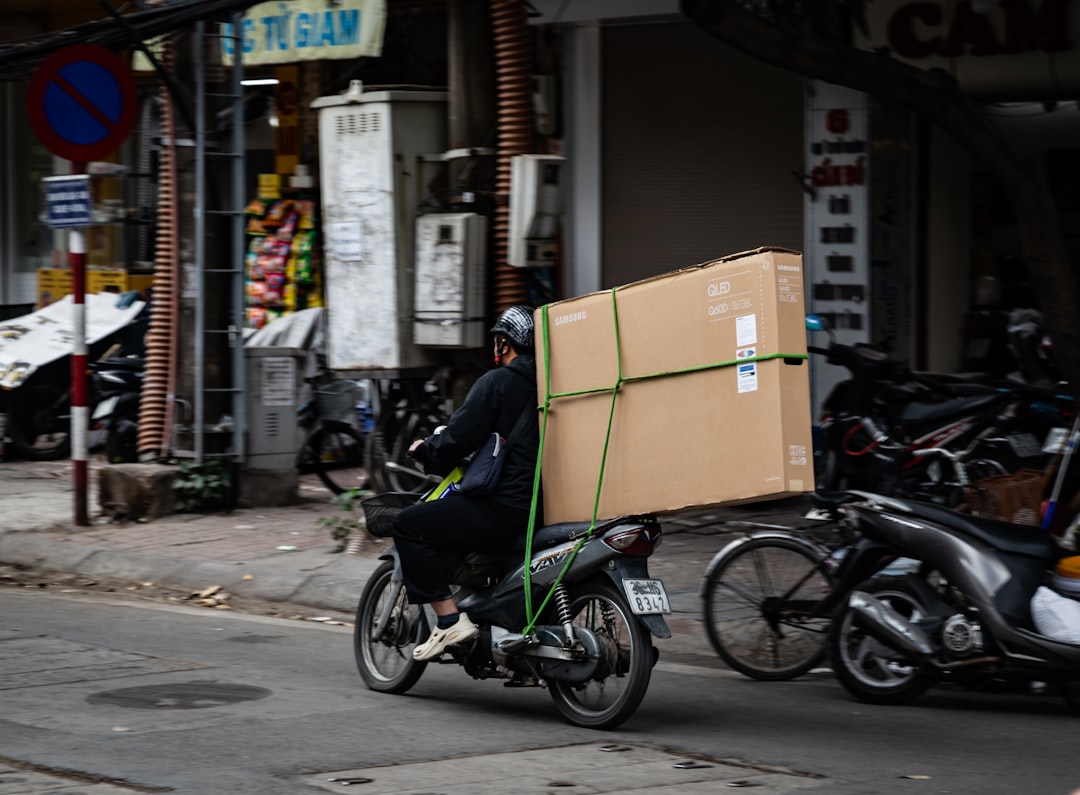
How can logistics and e-commerce companies in the GCC rapidly scale their urban delivery fleets to meet soaring demand? The explosive growth of last-mile delivery services presents a critical operational challenge. Furthermore, successful urban delivery driver mass hiring requires a strategic, compliant approach tailored to the Gulf region. This guide provides a comprehensive framework for employers. It covers everything from legal compliance to efficient onboarding for your city delivery fleet recruitment.
The GCC’s logistics sector is undergoing rapid transformation. Consequently, cities like Dubai, Riyadh, and Doha demand robust delivery networks. Moreover, competition for reliable drivers intensifies as consumer expectations rise. Therefore, a structured mass hiring strategy becomes a key competitive advantage. Understanding regional labor dynamics and urban operational nuances is essential for sustainable growth.
At Allianze HR Consultancy, we’ve successfully placed 10,000+ professionals across UAE, Saudi Arabia, Qatar, and Kuwait. Furthermore, our 5+ years of GCC expertise supports clients from 50+ countries. Moreover, our Ministry of External Affairs (India) RA license ensures compliance. Therefore, contact our recruitment specialists for expert guidance on scaling your urban delivery operations.
Understanding GCC Last-Mile Delivery Dynamics
Urban logistics in the Gulf Cooperation Council region face unique challenges. First, extreme summer temperatures impact delivery operations and worker welfare. Second, complex city layouts with high-rise buildings affect route planning. Additionally, diverse expatriate populations require multilingual driver capabilities. Consequently, recruitment must account for these operational realities.
Furthermore, e-commerce penetration rates in the GCC are among the highest globally. This growth fuels continuous demand for delivery personnel. Moreover, same-day and instant delivery expectations add pressure on fleet managers. Therefore, a proactive talent pipeline is no longer optional. It is a fundamental requirement for business continuity and customer satisfaction.
Key considerations include navigating specific municipal regulations for delivery vehicles. Also, understanding peak seasonal demand cycles is crucial. For instance, Ramadan and major shopping festivals create massive volume spikes. Partnering with experts who understand these urban development and logistics patterns is vital.
Urban Delivery Driver Mass Hiring Strategic Overview
A strategic urban delivery driver mass hiring initiative begins with precise workforce planning. First, analyze delivery volume forecasts and route optimization data. Next, determine the required driver count with a buffer for attrition. Additionally, define clear role specifications for urban environments. These include navigation skills, customer interaction, and local area knowledge.
Furthermore, a successful city delivery fleet recruitment campaign leverages multiple sourcing channels. Traditional methods include agency partnerships and job portals. Moreover, innovative approaches like driver referral programs and social media targeting yield strong results. Specifically, platforms frequented by potential candidates in source countries are effective.
Implementing a standardized assessment process is non-negotiable. This includes verifying driving licenses with GCC equivalency checks. Also, conducting practical route-finding tests in simulated urban conditions is beneficial. Consequently, you ensure only qualified, capable candidates progress. This strategic rigor directly impacts service reliability and safety records, aligning with International Labour Organization workplace safety principles.
Legal Framework and Compliance Standards
Navigating the GCC’s legal landscape for bulk driver recruitment is complex. Each country has distinct labor laws, visa categories, and sector-specific rules. For example, Saudi Arabia’s Nitaqat program and UAE’s Tasheel system impose localization quotas. Therefore, understanding these nuances prevents costly legal complications and project delays.
Mandatory compliance areas include securing the correct employment visa (often a “Driver” category). Also, obtaining a valid GCC driving license through proper conversion procedures is required. Moreover, adhering to working hour regulations and overtime pay standards is essential. Specifically, Saudi Ministry of Labor regulations and UAE’s Wage Protection System must be followed.
Documentation compliance is another critical pillar. This involves attestation of driving licenses and educational certificates from home countries. Additionally, medical fitness certificates from approved centers are mandatory. Furthermore, standardized employment contracts in Arabic and English must be provided. Failure in any area can halt entire batches of hires, emphasizing the need for expert guidance.
Urban Delivery Driver Mass Hiring Best Practices
Adopting industry best practices transforms your urban delivery driver mass hiring from chaotic to streamlined. First, develop a comprehensive candidate persona. This profile should include technical skills, language abilities, and cultural adaptability. Moreover, resilience in fast-paced urban environments is a key trait to screen for.
Secondly, create an efficient, high-volume screening pipeline. Utilize technology for initial resume filtering based on keywords and experience. Furthermore, conduct structured phone interviews to assess communication skills and motivation. Subsequently, move qualified candidates to in-depth assessments. This tiered approach manages large applicant volumes effectively.
Another best practice is designing a condensed, effective onboarding program. This program must cover company policies, delivery technology platforms, and customer service protocols. Additionally, include practical training on route planning apps and vehicle safety checks. Consequently, new hires become productive faster, reducing the time-to-effectiveness metric. Partnering with a specialist provides access to proven professional recruitment resources and methodologies.
Documentation and Processing Steps
The documentation phase for city delivery fleet recruitment is meticulous. It requires absolute accuracy to avoid government processing rejections. The initial checklist includes collecting the candidate’s passport copy, personal photos, and existing driving license. Moreover, educational certificates and previous experience letters are necessary for visa filing.
Subsequently, the attestation process begins. This involves legalizing documents from the candidate’s home country authorities. Then, further attestation from the GCC embassy and the UAE or Saudi Ministry of Foreign Affairs is required. Furthermore, translating key documents into Arabic is often mandatory for submission to labor departments.
Parallel processing steps include applying for labor quota approval and entry permits. Next, coordinating medical fitness tests at government-approved health centers is essential. Finally, processing the Emirates ID (UAE) or Iqama (KSA) and registering for social insurance completes the cycle. Each step demands precision, as outlined in official portals like the UAE visa and immigration services.
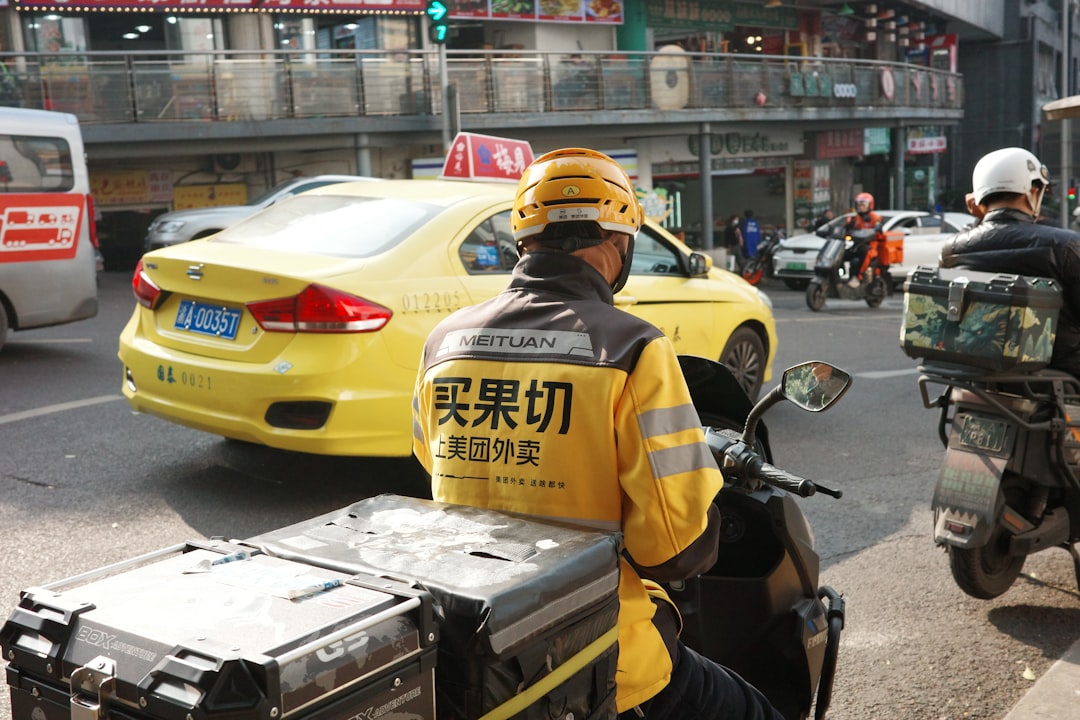
Urban Delivery Driver Mass Hiring Implementation Timeline
A realistic timeline is crucial for planning your urban delivery driver mass hiring campaign. The end-to-end process typically spans 6 to 10 weeks for large batches. The initial phase, candidate sourcing and screening, requires 2-3 weeks. This ensures a sufficient qualified candidate pool for selection and job offer issuance.
Following offer acceptance, documentation collection and pre-verification take 1-2 weeks. Subsequently, the visa and work permit application process requires 3-4 weeks. This duration depends on the specific GCC country and current government processing speeds. Furthermore, factors like public holidays can extend timelines.
The final phase includes travel coordination, final medical checks, and local registration. This phase typically requires 1-2 weeks. Therefore, employers should initiate the recruitment drive at least two months before the targeted deployment date. Proactive planning mitigates the risk of fleet shortages during demand surges. For precise scheduling, schedule a consultation appointment with our team.
Common Challenges and Solutions
Employers face several predictable challenges in city delivery fleet recruitment. High candidate attrition during the process is a primary issue. Often, candidates accept multiple offers simultaneously. The solution involves maintaining a candidate pipeline 20-30% larger than your target. Moreover, maintaining consistent communication and providing a positive candidate experience improves retention.
Another common challenge is license conversion delays. Some home country licenses face lengthy equivalency procedures. The proactive solution is pre-screening licenses for eligibility before selection. Additionally, partnering with driving institutes that offer fast-track conversion courses is effective. This aligns with promoting occupational health and road safety standards.
Cultural and linguistic integration poses another hurdle. Drivers from diverse backgrounds must adapt to GCC urban culture and customer expectations. Implementing a robust orientation program that covers local customs, basic Arabic phrases, and service etiquette is vital. Furthermore, assigning mentors from existing experienced drivers accelerates integration and reduces early turnover.
Expert Recommendations for Success
To ensure long-term success in urban delivery driver mass hiring, adopt a partnership mindset. Do not view recruitment as a one-time transaction. Instead, build relationships with reliable manpower suppliers and recruitment agencies. Furthermore, invest in your employer brand within driver communities. Positive word-of-mouth significantly reduces future sourcing costs and attracts higher-quality candidates.
Leverage data analytics to refine your hiring strategy. Track metrics like source of hire, time-to-fill, and first-year retention rates. Subsequently, analyze this data to identify the most effective channels and candidate profiles. Moreover, regularly review compensation and benefits packages against market benchmarks. Competitive packages are essential in a tight labor market.
Finally, prioritize compliance and worker welfare as strategic pillars. Ensuring fair working conditions, proper accommodation, and timely payments is not just ethical. It also ensures regulatory compliance and protects your company’s reputation. Adhering to international frameworks like those from the U.S. Department of Commerce labor standards demonstrates corporate responsibility. This approach builds a sustainable, reliable delivery workforce.
Frequently Asked Questions About Urban Delivery Driver Mass Hiring
What is the timeline for urban delivery driver mass hiring?
The complete timeline typically ranges from 6 to 10 weeks for bulk recruitment. Furthermore, this includes sourcing, documentation, visa processing, and deployment. Therefore, planning well ahead of operational need dates is crucial for success.
What documentation is required for driver fleet recruitment?
Key documents include a valid passport, driving license, attested educational certificates, and experience letters. Additionally, medical fitness certificates and passport-sized photographs are mandatory. Moreover, country-specific documents like police clearance certificates may be required.
How do you ensure driver quality in mass hiring?
Implement a multi-stage screening process with license verification, background checks, and practical assessments. Furthermore, behavioral interviews assess customer service aptitude. Additionally, probation periods with performance monitoring ensure ongoing quality control.
What are the main compliance risks in GCC driver hiring?
Major risks include incorrect visa categorization, incomplete document attestation, and non-compliance with wage protection systems. Also, violating working hour regulations or failing to provide mandated insurance coverage poses significant legal and financial risks.
Can Allianze HR assist with driver accommodation and logistics?
Yes, we provide end-to-end support that often includes coordinating suitable accommodation arrangements as per local laws. Furthermore, we assist with airport pickup, medical appointment scheduling, and initial orientation to ensure a smooth transition for your new hires.
How does mass hiring for delivery differ from other sectors?
It requires specific focus on driving license validity, route navigation skills, and customer-facing soft skills. Moreover, the need for shift flexibility and resilience in outdoor urban conditions is unique. The process also involves vehicle-specific inductions and technology training for delivery apps.
Partner with Allianze HR for Fleet Recruitment Success
Scaling your urban delivery operations in the GCC’s competitive market demands expertise and precision. This guide has outlined the strategic, legal, and practical components of successful urban delivery driver mass hiring. From understanding local dynamics to executing flawless compliance, each step impacts your bottom line and service quality. Therefore, a methodical approach is your strongest asset.
Allianze HR Consultancy transforms this complex challenge into a streamlined process. Our proven methodology for city delivery fleet recruitment ensures you acquire skilled, reliable drivers efficiently. Furthermore, our deep regulatory knowledge safeguards your business against compliance pitfalls. Moreover, our extensive candidate network across South Asia provides access to pre-vetted talent pools.
Do not let recruitment bottlenecks constrain your growth. Instead, leverage professional expertise to build a scalable, high-performing delivery workforce. Contact us today to discuss your specific volume requirements and operational goals. Let’s develop a customized mass hiring strategy that drives your logistics success forward. Reach out to our team now to initiate your strategic workforce expansion.