


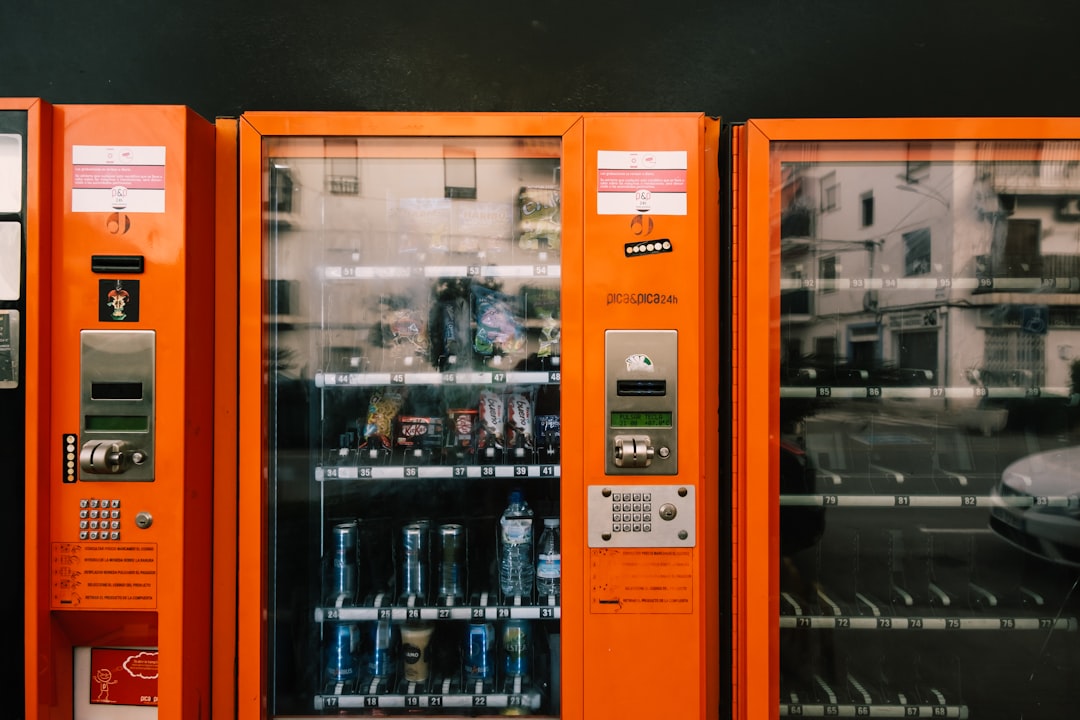
How can businesses in the GCC’s booming retail sector ensure their vending operations run seamlessly without staffing headaches? The rise of automated retail and unattended points of sale demands a specialized approach to workforce management. Consequently, securing reliable vending operations automated retail support is critical for maintaining profitability and customer satisfaction. This guide provides a comprehensive framework for GCC employers to build and manage effective vending machine restocking teams.
The automated retail landscape across the Gulf is expanding rapidly. From smart kiosks in Dubai Metro stations to refrigerated units in Saudi Arabian malls, this sector requires precise logistical support. Furthermore, regional labor laws and cultural considerations add complexity to recruitment. Therefore, a strategic approach to talent acquisition and deployment is not just beneficial—it’s essential for operational continuity and brand reputation.
At Allianze HR Consultancy, we’ve successfully placed 10,000+ professionals across UAE, Saudi Arabia, Qatar, and Kuwait. Furthermore, our 5+ years of GCC expertise supports clients from 50+ countries. Moreover, our Ministry of External Affairs (India) RA license ensures compliance. Therefore, contact our recruitment specialists for expert guidance on building your automated retail workforce.
Understanding GCC Automated Retail Workforce Requirements
The automated retail sector in the Gulf has unique staffing needs. Unlike traditional retail, it relies on mobile teams for machine servicing. These teams must handle logistics, inventory, and basic technical troubleshooting. Additionally, they represent your brand at unattended locations.
GCC markets present specific challenges. For example, urban sprawl in cities like Riyadh and Dubai requires efficient routing. Moreover, climate conditions demand reliable personnel who can work across diverse locations. Cultural and language skills are also vital for customer interactions.
Key roles in this sector include restocking associates, route supervisors, and inventory coordinators. Each position requires a blend of physical stamina, logistical aptitude, and trustworthiness. Furthermore, familiarity with digital reporting tools is increasingly important.
Employers must consider several operational factors. First, shift patterns must cover peak usage times across various venues. Second, security and cash handling protocols are paramount. Third, consistent training ensures service quality and compliance with local regulations.
Ultimately, a well-structured team drives revenue and customer loyalty. Properly managed vending operations prevent stock-outs and machine downtime. Therefore, investing in the right workforce strategy delivers direct returns on investment.
Vending Operations Automated Retail Support Strategic Overview
Developing a strategic plan for vending operations automated retail support begins with clear objectives. Define your service level targets for machine uptime and restocking frequency. Next, map your geographical coverage and machine density. This analysis determines your team size and structure.
A successful strategy integrates technology with human resources. For instance, route optimization software should guide daily schedules. Moreover, real-time inventory management systems prevent shortages. Consequently, your staff can work efficiently with clear digital instructions.
Recruitment for these roles requires a targeted approach. Look for candidates with logistics or field service experience. Additionally, reliability and problem-solving skills are more critical than formal education. Behavioral assessments can identify individuals suited for autonomous work.
Training programs must cover multiple areas. Technicians need product knowledge and basic machine maintenance skills. Furthermore, they must understand cash reconciliation and digital reporting procedures. Safety training for driving and manual handling is also essential.
Performance management relies on key metrics. Track restocking accuracy, route completion time, and machine incident reports. Regularly review these metrics with your team. This data-driven approach continuously improves your vending operations automated retail support model.
Legal Framework and Compliance Standards
Navigating GCC labor laws is fundamental for automated retail employers. Each country has specific regulations for field staff and drivers. For example, UAE’s visa and immigration services outline requirements for mobile workers. Similarly, Saudi Arabia’s Ministry of Labor regulations govern work hours and conditions.
Employment contracts must be precise. Clearly define job scope, working hours, and mobility requirements. Additionally, include clauses for handling cash and inventory. This clarity prevents disputes and ensures legal protection for both parties.
Health and safety compliance is non-negotiable. The International Labour Organization workplace safety standards provide a global benchmark. Furthermore, local civil defense regulations may apply to machines in public spaces. Regular safety audits are crucial.
Documentation and visa processing follow strict protocols. This includes medical testing, Emirates ID or Iqama processing, and labor card issuance. Moreover, driving licenses for company vehicles require additional sponsorship paperwork. Missing documents cause significant delays.
Partnering with a knowledgeable HR consultancy mitigates compliance risks. Experts stay updated on regulatory changes across the Gulf. They ensure your vending operations automated retail support team is deployed fully compliant. This protects your business from penalties and operational disruptions.
Vending Operations Automated Retail Support Best Practices
Implementing industry best practices transforms your support team’s effectiveness. First, establish standardized operating procedures (SOPs) for every task. These SOPs should cover restocking, cash collection, and basic troubleshooting. Consequently, service quality remains consistent across all team members.
Technology integration is a key best practice. Equip teams with mobile devices for real-time reporting. Use GPS tracking for route verification and safety. Additionally, implement digital checklists to ensure no step is missed during service visits. This data also provides valuable insights for optimization.
Inventory management requires disciplined processes. Maintain optimal stock levels at central warehouses or in secure vehicle storage. Furthermore, implement a first-expiry-first-out (FEFO) system for perishable items. Regular audits prevent shrinkage and ensure product freshness for customers.
Team communication and morale directly impact performance. Schedule regular briefings to address challenges and share updates. Recognize and reward employees for high performance and perfect audit scores. Moreover, create channels for field staff to report issues or suggestions easily.
Continuous improvement should be embedded in your culture. Analyze performance data to identify trends and training needs. Additionally, solicit feedback from locations hosting your machines. This holistic approach ensures your vending operations automated retail support evolves with market demands.
Documentation and Processing Steps
Efficient documentation streamlines your entire staffing process. Begin with precise job descriptions outlining physical and technical requirements. Next, prepare employment contracts compliant with local labor laws. These documents form the foundation for all subsequent steps.
The recruitment phase generates its own paperwork. This includes candidate applications, interview notes, and offer letters. Additionally, collect educational and experience certificates for verification. Proper filing here prevents issues during official visa processing later.
Visa and work permit processing involves multiple government entities. Required documents typically include passport copies, photographs, medical certificates, and attested qualifications. Furthermore, company trade licenses and premises agreements are often needed. Each GCC country has specific attestation procedures, often referenced by the International Labour Organization standards.
Onboarding documentation prepares the employee for their role. This includes safety manuals, route maps, and machine operation guides. Moreover, provide clear policies on cash handling, uniforms, and vehicle use. Signed acknowledgments ensure understanding and accountability.

Ongoing records maintain operational compliance. Maintain files for training attendance, performance reviews, and incident reports. Additionally, keep vehicle logs and maintenance records for field staff. Organized documentation supports scalability and simplifies audits. For comprehensive templates, explore our professional recruitment resources.
Vending Operations Automated Retail Support Implementation Timeline
A realistic timeline is crucial for successful deployment. The initial planning and strategy phase typically takes 2-3 weeks. This includes defining roles, salary benchmarks, and sourcing channels. Furthermore, it involves selecting technology platforms for route management.
Recruitment and selection require 3-4 weeks. Sourcing candidates, conducting interviews, and performing background checks takes time. Moreover, assessing logistical aptitude and reliability is more intensive than standard hiring. Therefore, allocating sufficient time ensures quality hires.
Visa and legal processing is the most variable phase. Depending on the GCC country, this can take 4-8 weeks. Factors include medical screening, document attestation, and government approvals. Additionally, driving license processing for route staff adds further time.
Training and onboarding last 1-2 weeks. New hires need classroom instruction and accompanied field training. Furthermore, they must demonstrate proficiency on reporting systems and machine servicing. Rushing this phase leads to errors and poor service.
Full operational deployment marks the timeline’s end. A phased rollout across zones or cities is advisable. Monitor performance closely during the first month. Subsequently, refine processes based on real-world data. This structured approach to vending operations automated retail support ensures a smooth launch.
Common Challenges and Solutions
High staff turnover is a frequent challenge in field service roles. The mobile nature of the work can lead to quick burnout. To combat this, design competitive compensation packages with performance incentives. Moreover, create clear career paths to supervisory or coordinator roles. This increases job satisfaction and retention.
Inventory shrinkage and cash discrepancies pose significant risks. Implement robust accountability measures. Use sealed cash bags and require dual verification for high-value transactions. Additionally, random audits and route reviews deter malpractice. Technology like tamper-evident bags and digital logs provides further security.
Maintaining service consistency across a dispersed team is difficult. Standardized training is the primary solution. Use video modules for consistent instruction on procedures. Furthermore, implement a digital checklist app that must be completed at each machine. Regular mystery shopping audits provide quality assurance.
Navigating complex urban logistics in GCC cities can delay restocking. Invest in advanced route planning software that considers traffic patterns. Additionally, empower local supervisors to make dynamic routing decisions based on real-time conditions. This flexibility improves efficiency and response times.
Regulatory changes can disrupt operations unexpectedly. The solution is proactive compliance management. Partner with a local HR expert who monitors legal updates. Furthermore, build contingency time into schedules for unexpected administrative tasks. This proactive approach, supported by resources from the World Bank labor market insights, minimizes compliance-related downtime.
Expert Recommendations for Success
First, prioritize quality over speed in recruitment. A reliable, honest team member is worth a longer hiring process. Conduct thorough reference checks focusing on punctuality and responsibility. Additionally, use practical assessments that simulate real-world tasks like inventory counting.
Invest in technology that empowers your team. Modern fleet management and inventory apps provide visibility and control. Moreover, choose user-friendly platforms to minimize training time. This investment reduces errors and provides valuable business intelligence for decision-making.
Foster a culture of ownership and accountability. Clearly link individual performance to overall business success. Share metrics on machine profitability and customer feedback with the team. Furthermore, involve experienced staff in process improvement discussions. Their frontline insights are invaluable.
Build strong relationships with location partners. The staff at malls, offices, and hospitals hosting your machines are your allies. Train your team to communicate professionally with these partners. Moreover, address any concerns from location managers promptly. This cooperation ensures long-term, profitable site placements.
Finally, view your vending operations automated retail support team as a strategic asset. Continuously benchmark your practices against international facility management and logistics standards. Additionally, stay informed on retail trends through sources like the UN World Tourism Organization for high-traffic areas. This forward-thinking approach secures a competitive advantage in the GCC’s dynamic automated retail market.
Frequently Asked Questions About Vending Operations Automated Retail Support
What is the timeline for vending operations automated retail support team deployment?
Timeline typically ranges 4-8 weeks depending on country requirements. Furthermore, documentation preparation affects processing speed. Therefore, consult our specialists for accurate estimates.
What documentation is required for automated retail staffing recruitment?
Required documents include employment contracts, visa applications, medical certificates, and educational credentials. Additionally, country-specific requirements vary. Moreover, attestation procedures apply for all documents.
What are typical costs for vending machine restocking team services?
Costs vary by position level, country, and recruitment volume. Furthermore, visa fees, medical screening, and documentation affect total investment. Therefore, request detailed quotations from recruitment partners for accuracy.
How does Allianze HR ensure legal compliance for field staff?
We maintain Ministry-approved RA license status under The Emigration Act, 1983. Additionally, our team monitors GCC labor law changes continuously. Moreover, we conduct thorough documentation verification at every recruitment stage.
Which GCC countries does Allianze HR serve for retail staffing?
We provide recruitment services across UAE, Saudi Arabia, Qatar, Kuwait, Bahrain, and Oman. Furthermore, our South Asian talent network spans India, Nepal, Bangladesh, Pakistan, and Sri Lanka.
What industries does Allianze specialize in recruiting?
Our expertise covers construction, hospitality, healthcare, facilities management, manufacturing, oil and gas, and technical services. Additionally, we handle both skilled and semi-skilled worker recruitment across all sectors.
Partner with Allianze HR for Automated Retail Success
Building and managing an effective vending operations automated retail support team is a complex but rewarding endeavor. This guide has outlined the strategic, legal, and operational pillars for success in the GCC market. From understanding regional workforce requirements to implementing best practices, each step contributes to a reliable and profitable automated retail network.
The right partnership simplifies this entire process. Allianze HR Consultancy brings proven expertise in sourcing, vetting, and deploying field-based teams across the Gulf. We handle the intricate compliance landscape, allowing you to focus on growing your business. Moreover, our extensive candidate database ensures access to qualified, reliable professionals suited for mobile retail roles.
Do not let staffing challenges limit your automated retail expansion. A strategic approach to vending operations automated retail support transforms your operational capability. It ensures machines are stocked, functional, and generating maximum revenue. Ultimately, this directly enhances customer experience and brand loyalty in a competitive market.
Ready to optimize your vending machine restocking team? Take the first step toward seamless operations. Schedule consultation appointment with our HR specialists today. We will develop a customized staffing solution that meets your specific operational goals and ensures full compliance with GCC regulations.