


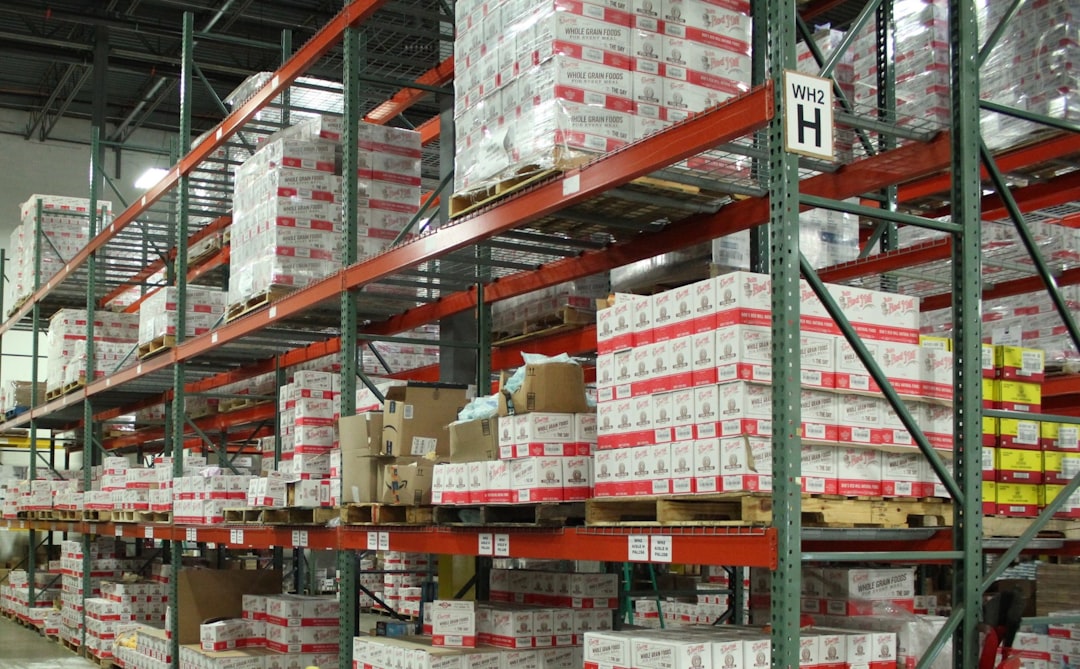
How can you ensure your distribution center operates flawlessly around the clock in the competitive GCC logistics market? Furthermore, managing a warehouse FM operations logistics facility demands precision, compliance, and strategic staffing. Moreover, the complexity of 24/7 operations with continuous maintenance cycles presents unique challenges. Therefore, mastering this discipline is essential for supply chain resilience and profitability.
The Gulf region’s booming e-commerce and trade sectors rely on efficient logistics hubs. Consequently, facilities management (FM) within these warehouses becomes a critical success factor. Additionally, GCC-specific regulations on worker safety, accommodation, and operational permits add layers of complexity. Notably, a well-managed facility directly impacts throughput, customer satisfaction, and bottom-line results.
At Allianze HR Consultancy, we’ve successfully placed 10,000+ professionals across UAE, Saudi Arabia, Qatar, and Kuwait. Furthermore, our 5+ years of GCC expertise supports clients from 50+ countries. Moreover, our Ministry of External Affairs (India) RA license ensures compliance. Therefore, contact our recruitment specialists for expert guidance on building your operational team.
Understanding GCC Logistics Facility Requirements
Operating a distribution center in the Gulf requires understanding regional specifics. First, extreme climate conditions demand robust HVAC and equipment maintenance. Second, free zone and mainland regulations differ significantly across emirates and kingdoms. Additionally, labor laws mandate specific standards for worker welfare in 24/7 environments.
Furthermore, technological integration is now a baseline expectation. Warehouse management systems (WMS) and IoT sensors are commonplace. Therefore, your maintenance staff must possess both technical and digital literacy. Moreover, sustainability initiatives, like those outlined in UAE green building regulations, influence facility operations.
Key considerations include:
- Climate-controlled storage for sensitive goods.
- Compliance with local civil defense and safety codes.
- Energy management for cost-effective 24/7 operations.
- Integration of automated material handling systems.
- Adherence to International Labour Organization workplace safety principles.
Warehouse FM Operations Logistics Facility Strategic Overview
Strategic management of a warehouse FM operations logistics facility transcends basic upkeep. Instead, it aligns physical assets with business objectives. Consequently, this approach ensures uninterrupted supply chain flow. Moreover, it involves proactive planning for maintenance, staffing, and technology upgrades.
A core component is lifecycle management for all assets. This includes racking systems, forklifts, conveyor belts, and security apparatus. Therefore, predictive maintenance prevents costly breakdowns during peak hours. Additionally, strategic spare parts inventory management is crucial. Furthermore, understanding World Bank trade and logistics trends helps future-proof your facility.
Effective strategies often feature:
- A dedicated FM team with clear escalation protocols.
- Digital twin technology for facility simulation and planning.
- Vendor management for specialized technical services.
- Continuous training programs on new equipment and safety.
- Performance benchmarking against industry standards.
Legal Framework and Compliance Standards
Navigating the GCC legal landscape is paramount for facility operators. First, each country has distinct labor and immigration laws. For example, Saudi Arabia’s Ministry of Labor regulations govern work hours and conditions. Similarly, UAE authorities enforce strict health and safety codes in industrial zones.
Furthermore, compliance extends to environmental and fire safety regulations. Regular inspections by civil defense and municipal authorities are mandatory. Therefore, maintaining impeccable documentation is non-negotiable. Moreover, worker accommodation standards are rigorously checked. Consequently, non-compliance results in heavy fines and operational suspensions.
Essential compliance areas include:
- Valid trade licenses and facility operation permits.
- Employee visa and labor card validity for all staff.
- Adherence to OSHA warehousing industry standards equivalents.
- Proper waste disposal and environmental protection measures.
- Medical insurance and occupational health provisions as per law.
Warehouse FM Operations Logistics Facility Best Practices
Implementing best practices transforms a warehouse FM operations logistics facility from a cost center to a value driver. First, adopt a data-driven maintenance approach. Use sensors to monitor equipment health and schedule repairs proactively. Consequently, this minimizes unplanned downtime. Moreover, it extends asset lifespan significantly.
Second, prioritize staff competency and safety culture. Regular drills and training on handling hazardous materials are essential. Additionally, clear signage and standardized operating procedures prevent accidents. Furthermore, consider World Health Organization occupational health guidelines for worker wellbeing. Therefore, a safe workplace boosts morale and productivity.
Proven best practices include:
- Implementing a Computerized Maintenance Management System (CMMS).
- Establishing key performance indicators (KPIs) for FM team efficiency.
- Conducting regular energy audits to optimize consumption.
- Developing a robust disaster recovery and business continuity plan.
- Fostering cross-training among technicians for operational flexibility.
Documentation and Processing Steps
Meticulous documentation forms the backbone of compliant and efficient facility management. First, maintain comprehensive asset registers with service histories. This includes purchase dates, warranty details, and repair logs. Consequently, this data informs capital budgeting and replacement cycles.
Second, streamline processes for work orders and inventory management. Digital systems ensure requests are tracked from submission to completion. Additionally, maintain logs for safety inspections, incident reports, and training records. Moreover, proper documentation is critical during regulatory audits. Therefore, organized records demonstrate due diligence and operational excellence.
Critical documentation includes:

- Equipment manuals and safety data sheets (SDS) for all chemicals.
- Licenses for operating specialized machinery like forklifts.
- Contracts and service level agreements (SLAs) with third-party vendors.
- Employee training certificates and competency records.
- Environmental impact assessments and compliance certificates.
Warehouse FM Operations Logistics Facility Implementation Timeline
Deploying or overhauling a warehouse FM operations logistics facility follows a structured timeline. First, the assessment and planning phase takes 2-4 weeks. This involves auditing existing conditions and defining scope. Consequently, you establish clear objectives and budget parameters.
Next, the recruitment and team building phase requires 3-6 weeks. Sourcing qualified FM managers, technicians, and specialists is crucial. Furthermore, this phase includes onboarding and initial training. Meanwhile, procurement of critical systems and spare parts begins. Subsequently, the implementation of processes and technology takes 4-8 weeks. Therefore, total timeline from conception to full operation typically spans 3-6 months.
Key timeline milestones are:
- Week 1-4: Needs assessment and strategic plan development.
- Week 5-10: Staff recruitment, visa processing, and onboarding.
- Week 11-14: System implementation and integration testing.
- Week 15-18: Process rollout and staff certification.
- Week 19-24: Performance review and optimization adjustments.
Common Challenges and Solutions
Facility managers in the GCC face several predictable challenges. First, high staff turnover in technical roles disrupts continuity. Solution: Develop attractive career progression paths and competitive packages. Additionally, invest in cross-training to build team redundancy.
Second, managing energy costs for 24/7 operations is difficult. Solution: Implement smart lighting, high-efficiency HVAC, and solar power where feasible. Furthermore, regular audits identify waste areas. Third, keeping pace with rapid technological change strains budgets. Solution: Adopt a phased technology upgrade plan. Moreover, leverage partnerships with vendors for the latest innovations. Explore our professional recruitment resources for more insights.
Additional challenges include:
- Regulatory changes: Assign a compliance officer to monitor updates.
- Spare parts availability: Develop relationships with local suppliers.
- Cross-cultural team management: Provide leadership training on GCC workplace norms.
- Space optimization: Utilize vertical storage and automated retrieval systems.
- Security threats: Implement layered access control and surveillance systems.
Expert Recommendations for Success
To excel in warehouse facilities management, embrace a proactive and integrated approach. First, view FM as a strategic partner to logistics, not a support function. Therefore, include the FM lead in key operational meetings. Consequently, this alignment prevents silos and promotes collaborative problem-solving.
Second, invest relentlessly in your people. Technicians skilled in mechatronics and automation are invaluable. Furthermore, continuous professional development keeps skills relevant. Additionally, leverage data analytics from your CMMS and WMS. This data reveals trends and predicts failures before they occur. Finally, build strong networks with local authorities and industry groups like the International Facility Management Association. Schedule a consultation appointment to discuss your specific needs.
Top expert recommendations:
- Develop a multi-year capital expenditure plan for asset refresh.
- Create a culture of continuous improvement and innovation.
- Benchmark your facility’s performance against regional best-in-class operators.
- Ensure your FM strategy supports overall corporate sustainability goals.
- Foster strong communication channels between operations, FM, and HR teams.
Frequently Asked Questions About Warehouse FM Operations Logistics Facility
What is the timeline for warehouse FM operations logistics facility setup?
A complete setup or major overhaul typically takes 3-6 months. Furthermore, this includes planning, staffing, system implementation, and training. Therefore, early engagement with experts like Allianze HR accelerates the process.
What are the key staffing roles for a 24/7 distribution center?
Essential roles include FM Managers, Multi-skilled Technicians, HVAC Specialists, Safety Officers, and Inventory Clerks. Additionally, shift supervisors ensure continuous coverage. Moreover, roles specializing in automation and robotics are increasingly critical.
How do GCC regulations impact facility maintenance staffing?
Regulations mandate specific staff-to-area ratios, safety certifications, and worker accommodations. Furthermore, visa quotas and nationality restrictions affect recruitment. Consequently, partnering with a knowledgeable recruiter ensures full compliance.
What technologies are most impactful for modern warehouse FM?
Computerized Maintenance Management Systems (CMMS), IoT sensors for predictive maintenance, and energy management systems are crucial. Additionally, drones for roof inspections and digital twins for simulation offer significant advantages.
How can I reduce energy costs in a 24/7 logistics facility?
Implement LED lighting with motion sensors, optimize HVAC schedules, and improve building insulation. Furthermore, consider solar panel installations where feasible. Additionally, regular equipment maintenance ensures optimal energy efficiency.
Why is specialized recruitment important for warehouse FM?
Specialized recruiters understand the technical skills, certifications, and soft skills needed. Moreover, they navigate complex GCC labor markets and visa processes efficiently. Therefore, they secure candidates who are both qualified and a cultural fit.
Partner with Allianze HR for Logistics Facility Success
Mastering warehouse FM operations logistics facility management is a strategic imperative in the GCC. Furthermore, the integration of skilled staffing, robust processes, and smart technology drives operational excellence. Moreover, navigating the regional regulatory landscape requires localized expertise. Therefore, a deliberate approach ensures your distribution center becomes a competitive asset.
Success hinges on viewing facilities management as a core business function. Consequently, investing in the right team and systems yields substantial returns. Additionally, proactive maintenance and compliance protect your brand and license to operate. Remember, an optimized facility directly enhances customer satisfaction and supply chain reliability.
Allianze HR Consultancy provides end-to-end recruitment solutions for your logistics and FM staffing needs. Our deep GCC market knowledge and extensive candidate network streamline your hiring process. Let us help you build a resilient, efficient, and compliant warehouse FM operations logistics facility team. Contact our HR specialists today to discuss your requirements and develop a winning staffing strategy.