


Are you effectively managing your facility’s environmental footprint and compliance obligations? In the GCC’s rapidly evolving regulatory landscape, robust waste tracking recycling disposal management is no longer optional. It is a critical component of operational efficiency and corporate responsibility. Consequently, mastering this process delivers significant cost savings and enhances your brand reputation. This guide provides a strategic framework for success.
Furthermore, regional initiatives like Saudi Arabia’s Vision 2030 and the UAE’s Net Zero 2050 mandate stringent environmental stewardship. Industries from construction and hospitality to manufacturing face increasing scrutiny. Moreover, proper waste stream management directly impacts your bottom line and legal standing. Therefore, understanding these protocols is essential for sustainable business growth in the Gulf region.
At Allianze HR Consultancy, we’ve successfully placed 10,000+ professionals across UAE, Saudi Arabia, Qatar, and Kuwait. Furthermore, our 5+ years of GCC expertise supports clients from 50+ countries. Moreover, our Ministry of External Affairs (India) RA license ensures compliance. Therefore, contact our recruitment specialists for expert guidance on staffing your environmental and facilities management teams.
Understanding GCC Environmental Management Requirements
GCC nations have implemented rigorous environmental frameworks. These regulations govern waste handling across all sectors. Consequently, non-compliance results in substantial fines and operational delays. Additionally, public tender eligibility often requires certified environmental management systems.
For instance, the UAE’s Federal Law No. 24 of 1999 and Abu Dhabi’s Tadweer program set clear standards. Similarly, Saudi Arabia’s National Center for Waste Management (MWAN) enforces strict guidelines. Moreover, Qatar’s Ministry of Municipality oversees waste protocols. Therefore, employers must stay informed about these evolving mandates.
Key regulated waste streams include:
- Construction and Demolition (C&D) Debris: Often requires on-site sorting and dedicated recycling facilities.
- Hazardous Industrial Waste: Includes oils, chemicals, and solvents needing specialized disposal tracking.
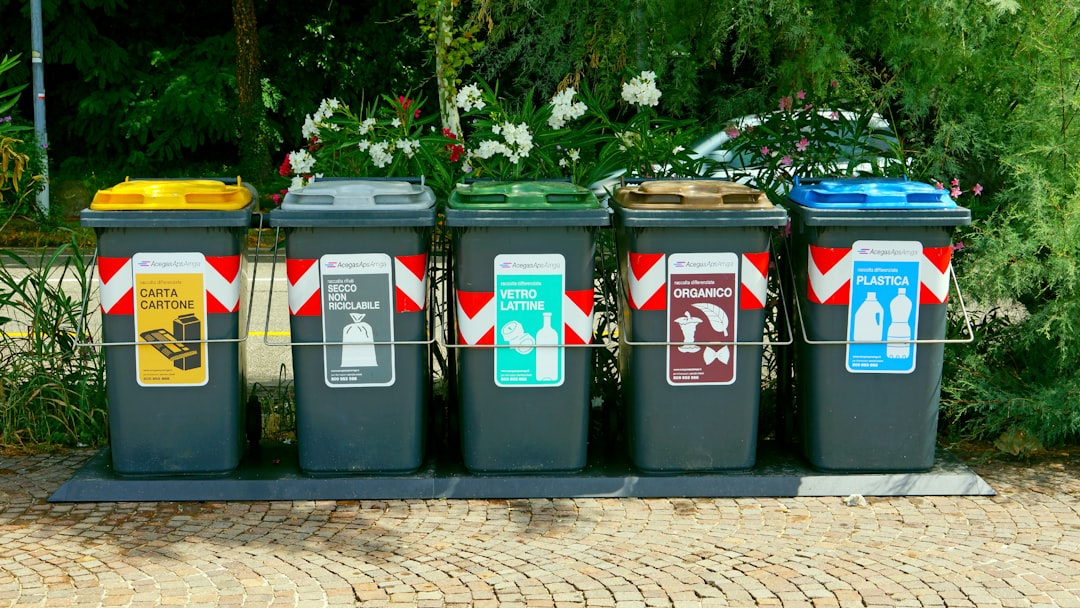
- Municipal Solid Waste (MSW): Mandates segregation into recyclables, organics, and general waste.
- Electronic Waste (E-Waste): Governed by specific take-back and recycling schemes.
- Medical and Clinical Waste: Requires strict handling, tracking, and sterilization protocols.
Understanding these categories is the first step. Subsequently, implementing a tracking system becomes manageable. Furthermore, leveraging professional recruitment resources helps find qualified sustainability officers.
Waste Tracking Recycling Disposal Strategic Overview
A strategic approach to waste tracking recycling disposal management transforms a cost center into a value stream. First, it provides complete visibility into waste generation patterns. This data identifies reduction opportunities. Moreover, it ensures compliance with GCC reporting mandates. Therefore, a systematic plan is indispensable.
Effective strategy hinges on three pillars: measurement, management, and reporting. Initially, facilities must audit their waste streams. Next, they implement tracking tools. Finally, they generate reports for regulators and internal stakeholders. Consequently, this cycle drives continuous improvement and cost efficiency.
Strategic benefits include:
- Cost Reduction: Identifying high-volume waste streams leads to targeted reduction and lower disposal fees.
- Regulatory Compliance: Automated tracking ensures accurate reporting for authorities like MWAN or Tadweer.
- Sustainability Credentials: Enhanced reputation with clients and investors committed to ESG principles.
- Operational Efficiency: Streamlined logistics for waste collection and recycling.
- Data-Driven Decisions: Insights to negotiate better contracts with waste service providers.
Ultimately, a strategic overview aligns environmental goals with business objectives. Additionally, it requires skilled personnel to execute. For example, hiring a dedicated waste management coordinator ensures program success.
Legal Framework and Compliance Standards
Navigating the GCC’s legal framework is complex. Each nation has unique decrees and enforcement bodies. However, international standards often provide a foundation. For instance, ISO 14001 for Environmental Management Systems is widely recognized. Moreover, local laws typically reference these global benchmarks.
Specifically, employers must consult resources like the International Labour Organization workplace safety guidelines. These include waste handling safety protocols. Additionally, the UAE green building regulations mandate waste management plans for new projects. Similarly, KSA’s MWAN regulations are essential reading.
Critical compliance documents include:
- Waste Manifests: Chain-of-custody documents tracking waste from origin to final disposal.
- Annual Environmental Reports: Submitted to local municipalities and environmental agencies.
- Recycling Certificates: Proof of proper recycling from licensed treatment facilities.
- Hazardous Waste Transportation Permits: Required for moving regulated materials.
- Internal Audit Records: Demonstrating ongoing compliance and training efforts.
Failure to maintain these records invites penalties. Therefore, meticulous documentation is non-negotiable. Furthermore, partnering with a knowledgeable HR provider ensures your team understands these requirements. Consequently, schedule a consultation appointment to discuss your staffing needs.
Waste Tracking Recycling Disposal Best Practices
Implementing industry best practices optimizes your waste tracking recycling disposal management system. First, conduct a comprehensive baseline waste audit. This identifies volumes, types, and current disposal costs. Moreover, it highlights immediate improvement areas. Therefore, never skip this foundational step.
Next, invest in digital measurement tools. Manual logs are error-prone and inefficient. Instead, use barcode scanners, weighbridge systems, or IoT bin sensors. These tools automate data capture. Consequently, they provide real-time insights and accurate reporting.
Essential best practices include:
- Centralized Digital Platform: Use software to track all waste movements and generate compliance reports.
- Clear Staff Training: Regularly train all employees on proper waste segregation at the source.
- Supplier Vetting: Partner only with licensed waste carriers and recyclers, verifying their permits.
- Set Measurable Targets: Establish goals for waste diversion, recycling rates, and cost reduction.
- Regular Reviews: Conduct quarterly reviews of waste data to adjust strategies and celebrate successes.
Additionally, reference global standards from the International Facility Management Association. Also, consider World Health Organization indoor air quality guidelines related to waste storage. Finally, integrate these practices into your daily operations for lasting impact.
Documentation and Processing Steps
Robust documentation forms the backbone of any compliance program. Each waste stream requires specific paperwork. Furthermore, these documents must be readily accessible for inspections. Therefore, establishing a clear, step-by-step process is vital for operational consistency and legal protection.
The processing cycle begins at the point of waste generation. Employees segregate materials into designated bins. Next, internal logistics teams transport waste to a holding area. Subsequently, licensed contractors collect the waste. Finally, the facility receives certificates of recycling or disposal.
Key processing steps include:
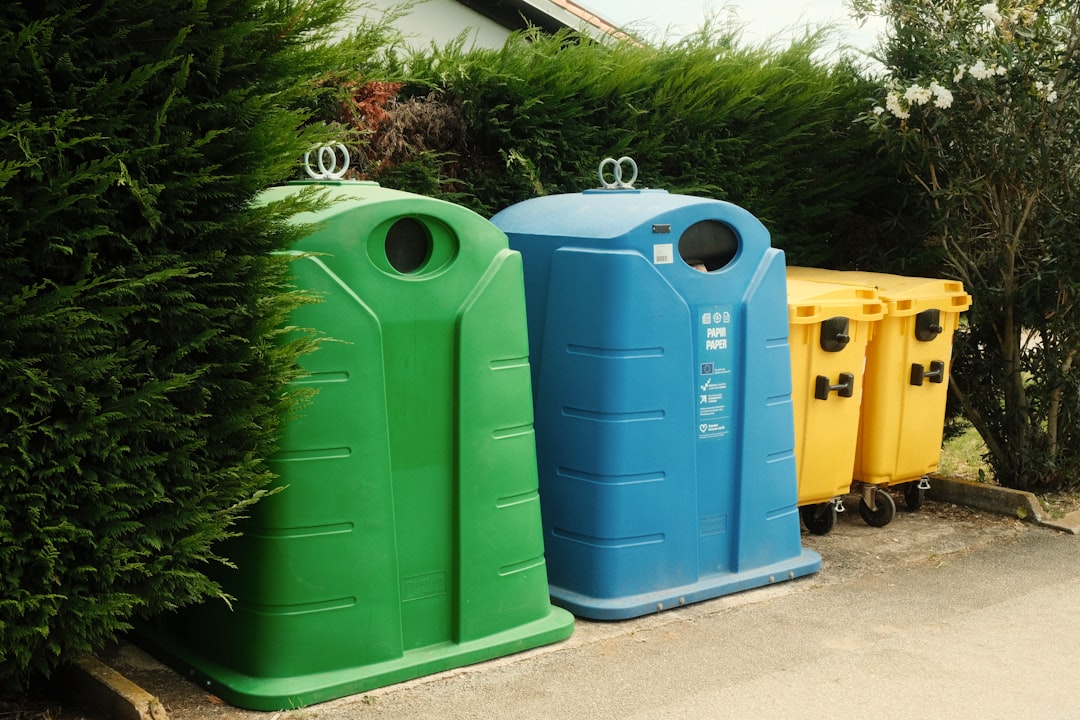
- Step 1: Waste Identification and Classification. Label all bins clearly according to waste type.
- Step 2: Internal Collection and Weighing. Record weight and volume data upon collection.
- Step 3: Contractor Handover. Complete a waste transfer note with contractor details and signatures.
- Step 4: Track Off-Site. Ensure the contractor provides a valid permit and destination facility details.
- Step 5: Receive and File Certificates. Obtain and archive recycling/disposal certificates from the processor.
Moreover, digital tools streamline this entire chain. They automatically generate manifests and flag missing certificates. Consequently, they reduce administrative burden. Additionally, they create an audit trail demonstrating due diligence to regulators.
Waste Tracking Recycling Disposal Implementation Timeline
Executing a successful waste tracking recycling disposal management program requires careful phasing. A typical implementation spans 12 to 24 weeks. However, the timeline varies by facility size and complexity. Therefore, realistic planning prevents frustration and ensures thorough adoption.
Phase One (Weeks 1-4) involves assessment and planning. Conduct the initial waste audit and select digital tools. Phase Two (Weeks 5-12) focuses on system setup and pilot testing. Install equipment and train a core team. Phase Three (Weeks 13-24) marks full rollout and optimization. Expand training to all staff and refine processes based on data.
Critical timeline milestones:
- Week 2: Complete stakeholder analysis and secure management buy-in.
- Week 6: Finalize selection of waste tracking software or platform.
- Week 10: Conclude pilot program in one department or building.
- Week 16: Achieve full facility rollout with all waste streams integrated.
- Week 24: Generate first comprehensive quarterly compliance report.
Meanwhile, staffing is crucial. Hiring or training a sustainability manager should begin in Phase One. Furthermore, consider insights from the World Bank urban development reports on circular economy trends. Finally, a phased approach minimizes disruption and builds lasting competency.
Common Challenges and Solutions
Employers frequently encounter obstacles when implementing waste management systems. A primary challenge is employee engagement and consistent segregation. People often revert to old habits. Moreover, data accuracy can suffer from manual entry errors. Therefore, proactive solutions are necessary from the outset.
Another significant hurdle is selecting reliable waste service partners. Some contractors may not provide proper documentation. Additionally, the upfront cost of digital tracking tools can deter investment. However, these costs are recouped through waste reduction and avoided fines.
Practical solutions include:
- Challenge: Poor Staff Participation. Solution: Implement incentive programs and continuous, visible communication.
- Challenge: Inaccurate Data. Solution: Automate data collection with smart bins and integrated scales.
- Challenge: Unreliable Contractors. Solution: Establish a pre-qualified vendor list with strict contractual documentation clauses.
- Challenge: High Software Costs. Solution: Start with modular cloud-based platforms that scale with your needs.
- Challenge: Keeping Up with Regulations. Solution: Designate a compliance officer or partner with a consultancy for updates.
Furthermore, leveraging global resources helps. For example, the World Health Organization occupational health guidelines address safe waste handling. Ultimately, anticipating these challenges allows you to build a more resilient system.
Expert Recommendations for Success
To ensure long-term success, go beyond basic compliance. First, integrate waste management goals into your corporate sustainability strategy. This secures executive support and budget. Moreover, it aligns your efforts with global ESG trends. Therefore, treat it as a strategic priority, not just a regulatory task.
Second, foster a culture of environmental responsibility. Celebrate teams that achieve recycling targets. Additionally, share progress reports with all employees. Consequently, this transparency builds collective ownership and pride in the program’s success.
Key expert recommendations:
- Start Small, Scale Fast: Pilot in one area, prove the concept, then expand to build momentum.
- Invest in Talent: Hire or develop a dedicated environmental officer with GCC regulatory knowledge.
- Leverage Technology: Choose interoperable tools that can grow and integrate with other facility management systems.
- Build Strong Partnerships: Work closely with municipalities and licensed recyclers for support and insights.
- Focus on Circularity: Aim to design waste out of processes, moving beyond disposal to reuse and regeneration.
Finally, continuous learning is vital. Engage with industry bodies and monitor World Bank trade and logistics reports for macro trends. Remember, effective waste tracking recycling disposal management is a journey of continuous improvement.
Frequently Asked Questions About Waste Tracking Recycling Disposal
What is the timeline for waste tracking recycling disposal implementation?
A full implementation typically takes 12 to 24 weeks. Furthermore, this includes auditing, system selection, pilot testing, and facility-wide rollout. Therefore, proper planning from the start is essential for meeting this timeline.
What are the key benefits of digital waste stream measurement tools?
Digital tools provide accurate, real-time data, automate compliance reporting, and identify cost-saving opportunities. Moreover, they reduce manual errors and create a verifiable audit trail for regulators.
How can we ensure employee compliance with new waste segregation rules?
Clear, multilingual signage, hands-on training sessions, and positive reinforcement programs are effective. Additionally, appointing waste champions in each department helps maintain daily adherence.
What are the penalties for non-compliance with GCC waste regulations?
Penalties vary by emirate or kingdom but can include substantial fines, operational shutdowns, and blacklisting from government tenders. Consequently, maintaining rigorous tracking is a critical risk mitigation strategy.
Does Allianze HR recruit for environmental management roles?
Yes, we specialize in recruiting for facilities management, sustainability, and EHS (Environment, Health & Safety) roles across the GCC. Furthermore, our network includes qualified professionals experienced in GCC regulatory frameworks.
What is the first step in starting a waste management program?
Conduct a comprehensive waste audit. This baseline assessment identifies your major waste streams, volumes, and current costs. Therefore, it provides the essential data needed to build an effective strategy.
Partner with Allianze HR for Environmental Management Success
Implementing a robust waste tracking recycling disposal management system is a strategic imperative. It ensures regulatory compliance, reduces operational costs, and builds a sustainable brand. Moreover, the right team is fundamental to executing this vision. Skilled professionals turn plans into measurable results.
Allianze HR Consultancy understands the unique talent requirements of GCC environmental management. We connect you with qualified sustainability officers, facility managers, and compliance experts. Furthermore, our deep regional knowledge ensures candidates understand local laws and cultural contexts. Therefore, we streamline your journey toward operational excellence.
Let us help you build a team that masters waste stream measurement and reporting. Consequently, you can focus on your core business with confidence. Begin your strategic hiring process today. Explore our professional recruitment resources or directly contact our HR specialists