


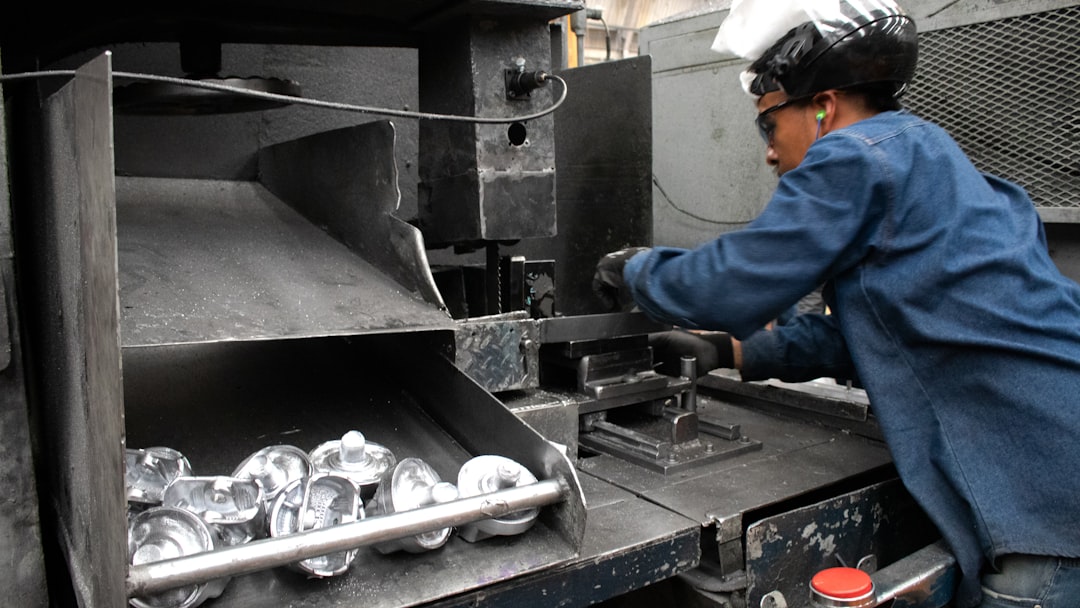
How can GCC manufacturers build a world-class welding and metal fabrication team? The region’s booming construction, oil and gas, and industrial sectors demand exceptional talent. Consequently, strategic welders metal fabrication team recruitment is critical for project success and operational safety. This guide provides a comprehensive roadmap for hiring skilled welding specialists in the competitive Gulf market.
The manufacturing and fabrication landscape across the UAE, Saudi Arabia, and Qatar is highly specialized. Employers require professionals with specific certifications and hands-on experience. Moreover, understanding regional labor laws and cultural dynamics is essential. Therefore, a structured approach to talent acquisition ensures quality, compliance, and retention.
At Allianze HR Consultancy, we’ve successfully placed 10,000+ professionals across UAE, Saudi Arabia, Qatar, and Kuwait. Furthermore, our 5+ years of GCC expertise supports clients from 50+ countries. Moreover, our Ministry of External Affairs (India) RA license ensures compliance. Therefore, contact our recruitment specialists for expert guidance on building your fabrication workforce.
Understanding GCC Welding and Fabrication Requirements
GCC projects demand welders with specific skill sets and certifications. First, major infrastructure and oil & gas projects require adherence to international standards. For example, ASME, AWS, and API certifications are often mandatory. Additionally, experience with materials like carbon steel, stainless steel, and alloys is crucial.
Furthermore, regional climate conditions present unique challenges. Extreme heat affects welding procedures and material behavior. Therefore, candidates must demonstrate adaptability. Moreover, familiarity with project specifications from Aramco, ADNOC, or QP is a significant advantage for specialist hiring.
Key required competencies include:
- Certified expertise in SMAW (Stick), GTAW (TIG), and GMAW (MIG) processes.
- Ability to read and interpret complex engineering drawings and ISO blueprints.
- Practical experience with CNC cutting, rolling, and bending machinery.
- Thorough knowledge of welding codes and non-destructive testing (NDT) methods.
- Strong commitment to safety protocols and personal protective equipment (PPE).
Finally, soft skills like teamwork and communication are vital. Fabrication is a collaborative effort. Thus, assessing a candidate’s ability to work in multicultural teams is essential for long-term project harmony and productivity.
Welders Metal Fabrication Team Recruitment Strategic Overview
A strategic approach to welders metal fabrication team recruitment begins with precise planning. First, define the project scope and required welding specialties. Next, develop detailed job descriptions that outline technical and certification requirements. This clarity attracts qualified candidates from the start.
Furthermore, sourcing talent requires a multi-channel strategy. Utilize specialized job portals, technical institutes, and industry networks. Additionally, partnering with a recruitment agency with a proven track record in technical placements expands your reach. This is especially true for accessing skilled pools in South Asia and other regions.
Moreover, the assessment phase must be rigorous. Practical welding tests are non-negotiable. For instance, conduct on-site or virtual tests to evaluate bead quality, technique, and speed. Also, verify all certifications with issuing authorities. This due diligence prevents costly hiring mistakes.
Finally, consider the long-term team structure. A balanced team includes lead welders, fabricators, fitters, and helpers. Therefore, your recruitment plan should address all levels. This holistic approach to team building ensures operational efficiency and knowledge transfer within your manufacturing unit.
Legal Framework and Compliance Standards
Navigating GCC labor laws is fundamental for compliant hiring. Each country has distinct regulations governing foreign worker recruitment. For example, Saudi Arabia’s Ministry of Human Resources sets specific quotas and wage protection systems. Similarly, UAE’s Ministry of Human Resources and Emiratisation mandates standard employment contracts.
Additionally, welding certifications often require local validation. Certificates from home countries may need attestation and approval from GCC engineering bodies. Furthermore, occupational health and safety standards are stringent. Employers must comply with guidelines from the International Labour Organization and local civil defense regulations.
Key compliance documents include:
- Labor contract attested by the relevant Ministry.
- Educational and training certificate attestation from embassies and foreign affairs.
- Valid trade license showing metal fabrication as a company activity.
- Medical fitness certificate from approved GCC health centers.
- Work visa and residency permit (Iqama, Emirates ID, etc.).
Moreover, understanding OSHA warehousing and manufacturing standards provides a safety benchmark. Non-compliance risks project delays, fines, and reputational damage. Therefore, integrating legal checks into every recruitment step is not optional; it’s essential for sustainable operations.
Welders Metal Fabrication Team Recruitment Best Practices
Implementing best practices streamlines your welders metal fabrication team recruitment process. First, develop a competency matrix aligned with project phases. This matrix should detail required skills for structural, pipe, and sheet metal welding. Consequently, screening becomes more objective and efficient.
Furthermore, leverage technology for candidate engagement. Video interviews can assess communication skills. Additionally, digital portfolios allow welders to showcase previous projects. This is particularly useful for evaluating fabrication quality and complexity of past work.
Moreover, emphasize safety culture from the first interview. Ask scenario-based questions about hazard identification and PPE usage. Also, discuss familiarity with World Health Organization occupational health principles. This ensures candidates prioritize wellbeing, reducing onsite incidents.
Best practices also include:
- Conducting thorough reference checks with previous GCC employers.
- Offering competitive, transparent compensation packages with clear overtime policies.
- Providing detailed offer letters covering work scope, location, and benefits.
- Planning a structured onboarding program with site-specific safety inductions.
- Establishing a continuous skills upgrade path to retain top talent.
Finally, building a talent pipeline is crucial. Partner with technical training centers that align curricula with industry needs. This proactive approach, supported by expert professional recruitment resources, ensures you have access to qualified candidates for future projects and expansions.
Documentation and Processing Steps
Accurate documentation is the backbone of successful deployment. The process begins with the candidate selection and offer acceptance. Subsequently, the employer must initiate the visa and work permit application with local authorities. This step varies significantly between GCC nations.
Next, collect and attest all necessary certificates. This typically includes educational diplomas, welding certificates, and experience letters. Moreover, these documents require attestation from the home country’s foreign ministry and the relevant GCC embassy. This process validates their authenticity for local authorities.
Furthermore, the medical fitness test is mandatory. Candidates must undergo screening at government-approved health centers. Tests typically cover infectious diseases and general fitness for strenuous work. Subsequently, a clear medical report is required for the residency permit stamping.
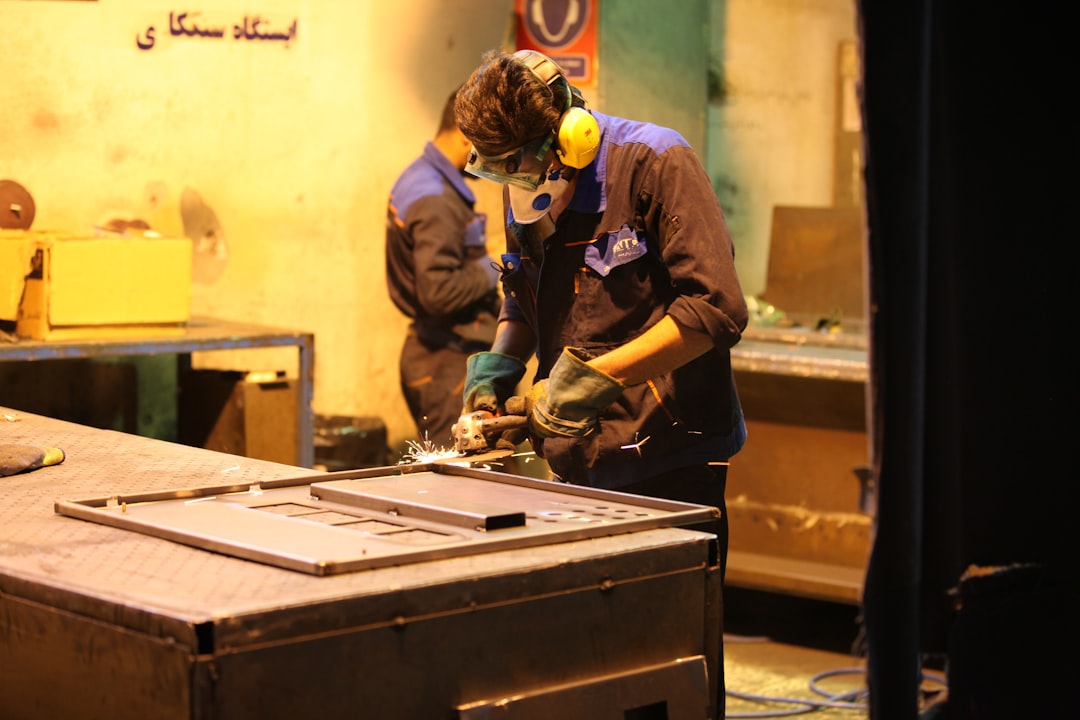
Key processing steps include:
- Entry permit/E-visa issuance for the candidate to enter the GCC country.
- Medical examination and fingerprinting upon arrival.
- Labor contract signing and submission to the Ministry for attestation.
- Residency permit (Iqama/Emirates ID) application and issuance.
- Finalizing bank account setup and health insurance registration.
Throughout this process, maintaining clear communication with the candidate is vital. Provide regular updates on the status. Additionally, ensure they understand all procedures. Consequently, this reduces anxiety and prepares them for a smooth transition into their new role and environment.
Welders Metal Fabrication Team Recruitment Implementation Timeline
A realistic timeline is crucial for project planning. The entire welders metal fabrication team recruitment cycle typically spans 6 to 10 weeks. However, this depends on candidate availability, documentation speed, and specific GCC country procedures. Therefore, early initiation is recommended.
Weeks 1-2 focus on sourcing and screening. This involves advertising positions, reviewing applications, and conducting initial interviews. Furthermore, practical skill assessments occur during this phase. Meanwhile, shortlisted candidates begin gathering their personal documents for attestation.
Weeks 3-6 cover documentation and visa processing. This is often the longest phase due to government procedures. Moreover, factors like embassy workload and courier times affect speed. Subsequently, close follow-up with processing agents ensures no unnecessary delays.
A sample timeline includes:
- Week 1: Job posting, candidate sourcing, and initial screening calls.
- Week 2: Technical interviews, practical tests, and candidate selection.
- Weeks 3-4: Offer acceptance, document collection, and start of attestation.
- Weeks 5-7: Visa processing, medical exams, and travel arrangements.
- Week 8: Arrival, onboarding, site induction, and project deployment.
Finally, account for potential delays. For instance, national holidays or changes in immigration policy can extend timelines. Hence, building a buffer of 1-2 weeks into your project schedule is a prudent risk management strategy. For precise planning, schedule a consultation appointment with our team.
Common Challenges and Solutions
Recruiting welders for GCC projects presents specific challenges. First, a global shortage of highly skilled welders creates intense competition. Consequently, attractive packages and clear career progression are necessary to secure top talent. Additionally, leveraging networks in traditional welding hubs becomes essential.
Another challenge is certification fraud. Unfortunately, fake welding certificates exist. Therefore, implement rigorous verification checks. Contact issuing training bodies directly. Furthermore, practical tests unequivocally reveal true skill levels, regardless of presented paperwork.
Moreover, cultural and linguistic integration can be difficult. Welding teams are often diverse. Thus, providing basic language training and cultural orientation improves teamwork and safety communication. This investment reduces misunderstandings and promotes a harmonious worksite.
Common challenges and proven solutions:
- Challenge: High visa processing costs and fluctuating fees. Solution: Budget accurately using updated fee schedules from official portals like the UAE government site.
- Challenge: Candidate dropout after offer acceptance. Solution: Maintain engagement through regular communication and transparent process updates.
- Challenge: Skills mismatch upon project commencement. Solution: Implement a probation period with clear performance metrics and additional training if needed.
- Challenge: Retention of skilled welders. Solution: Foster a positive safety culture, offer skill upgrades, and ensure timely, fair compensation.
Understanding these hurdles allows for proactive planning. Additionally, partnering with an experienced recruiter provides access to pre-vetted talent pools and streamlined compliance processes. This mitigates risks and ensures a reliable workforce for your fabrication needs.
Expert Recommendations for Success
Building a superior fabrication team requires strategic foresight. First, invest in employer branding within the technical community. Showcase your company’s projects, safety record, and employee development programs. Consequently, you attract candidates who are aligned with your organizational values and quality standards.
Furthermore, adopt a data-driven approach to recruitment. Track metrics like time-to-hire, source quality, and first-year retention rates. This analysis reveals what works. Moreover, it allows for continuous improvement of your talent acquisition strategy for manufacturing roles.
Additionally, prioritize workforce development. The World Bank emphasizes the link between skilled labor and economic competitiveness. Therefore, consider sponsoring specialized training for your team. For example, courses in advanced orbital welding or robotic welding programming add significant value.
Finally, build strong partnerships. Collaborate with reputable recruitment agencies, training institutes, and industry associations. These partnerships provide market intelligence and access to passive candidates. Moreover, they help navigate the complex regulatory landscape, ensuring your operations remain compliant and efficient as you scale your fabrication capabilities.
Frequently Asked Questions About Welders Metal Fabrication Team Recruitment
What is the timeline for welders metal fabrication team recruitment?
The complete recruitment and deployment timeline typically ranges from 6 to 10 weeks. This includes sourcing, testing, visa processing, and travel. Furthermore, complexity increases for bulk hiring. Therefore, consult our specialists for a project-specific plan.
Which welding certifications are most valued in GCC projects?
Certifications from the American Welding Society (AWS), ASME Section IX, and API standards are highly valued. Additionally, client-specific approvals like Aramco or ADNOC passes are often mandatory. Moreover, certifications must be valid and verifiable through official channels.
How can we verify the authenticity of welding certificates?
Always verify certificates directly with the issuing training body or accreditation agency. Furthermore, require candidates to provide certificate numbers and supporting documents. Moreover, a comprehensive practical skills test is the most reliable verification method of all.
What are the key elements of a competitive offer for a welding specialist?
A competitive package includes a base salary, overtime rates, accommodation or housing allowance, transportation, health insurance, and annual airfare. Additionally, clear terms on project bonuses, tool allowances, and end-of-service benefits are important for attraction and retention.
Does Allianze HR assist with post-placement onboarding?
Yes, our support extends beyond placement. We facilitate smooth onboarding, including site inductions and integration support. Furthermore, we maintain communication to ensure both employer and employee satisfaction during the critical initial months of employment.
What industries do you specialize in for technical recruitment?
Our expertise covers construction, oil and gas, heavy manufacturing, power generation, and industrial maintenance. Additionally, we recruit for all related trades, including fabricators, fitters, inspectors, and NDT technicians, ensuring complete team deployment.
Partner with Allianze HR for Fabrication Recruitment Success
Building a proficient welding and metal fabrication team is a strategic investment. This guide has outlined the critical steps, from understanding GCC-specific requirements to navigating compliance and implementing best practices. Successful welders metal fabrication team recruitment hinges on precision, planning, and expert partnership.
Furthermore, the complexity of GCC labor markets makes professional guidance invaluable. At Allianze HR Consultancy, we combine deep regional knowledge with extensive technical recruitment experience. Moreover, our compliant processes and vast talent