


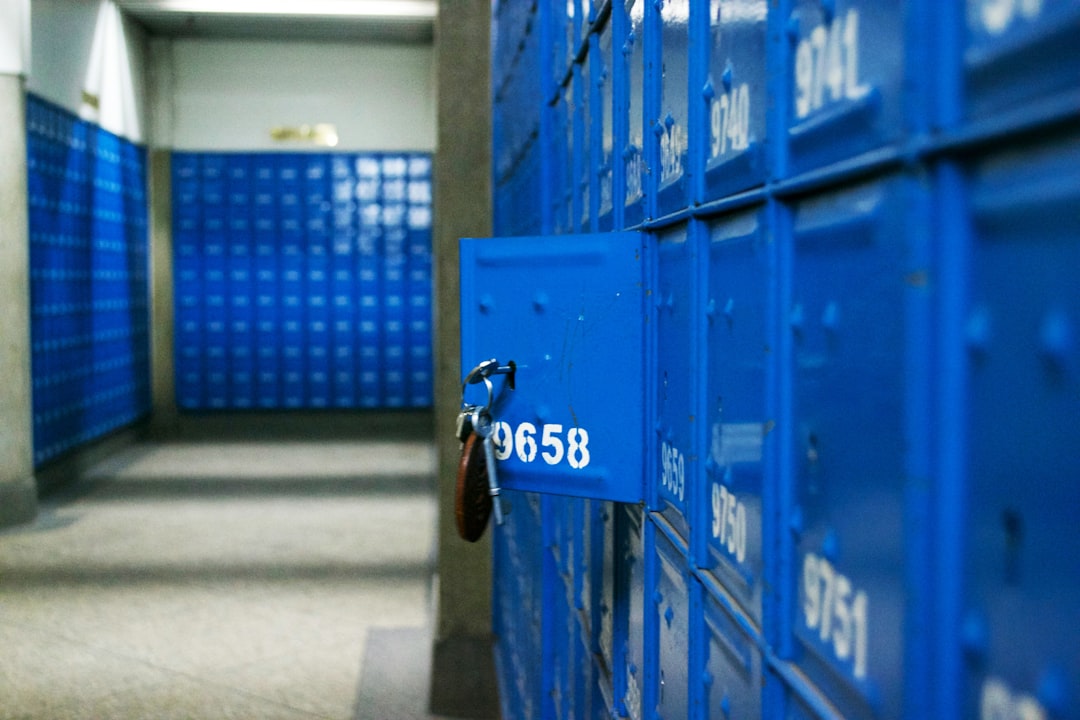
How can GCC employers ensure the safety of worker personal belongings? Furthermore, proper storage areas for personal belongings security for workers are not just a convenience. They represent a critical component of occupational welfare and legal compliance. Consequently, this guide explores locker specifications and storage room requirements. Moreover, it provides actionable strategies for implementation across Gulf region worksites.
Across construction, hospitality, and industrial sectors, secure storage impacts morale and productivity. Additionally, GCC labor laws increasingly emphasize worker welfare standards. Therefore, employers must design facilities that protect valuables and documents. Specifically, this involves strategic planning, robust equipment, and clear policies. Ultimately, investing in secure storage demonstrates commitment to your workforce.
At Allianze HR Consultancy, we’ve successfully placed 10,000+ professionals across UAE, Saudi Arabia, Qatar, and Kuwait. Furthermore, our 5+ years of GCC expertise supports clients from 50+ countries. Moreover, our Ministry of External Affairs (India) RA license ensures compliance. Therefore, contact our recruitment specialists for expert guidance on workforce accommodation and welfare standards.
Understanding GCC Worker Welfare Infrastructure Requirements
GCC nations mandate specific welfare facilities for expatriate workers. These requirements extend beyond basic accommodation to include personal storage. For example, the UAE’s Ministerial Resolution No. 44 of 2022 outlines accommodation standards. Similarly, Saudi Arabia’s Ministry of Labor regulations specify living condition protocols. Therefore, employers must integrate storage solutions into overall camp design.
Furthermore, secure storage areas directly affect worker satisfaction and retention. Employees with valuable items need reliable protection. Additionally, proper storage prevents theft-related disputes on site. Consequently, this reduces administrative burdens for HR and management teams. Moreover, it aligns with international ILO workplace safety principles.
Key considerations include location, accessibility, and capacity. Storage should be centrally located within accommodation blocks. Additionally, it must remain accessible during worker shift patterns. Furthermore, capacity must account for seasonal clothing and personal effects. Finally, climate control protects items from Gulf region heat and humidity. These factors collectively ensure functional and compliant storage facilities.
- Central location within worker accommodation complexes
- 24/7 accessibility with controlled entry systems
- Adequate capacity for seasonal clothing and personal items
- Climate control to prevent mold and damage
- Integration with overall camp security infrastructure
- Compliance with national and emirate-level regulations
Worker Storage Security Areas Strategic Overview
A comprehensive strategy for worker storage security areas begins with assessment. First, employers must evaluate workforce size and storage needs. Different industries have varying requirements. For instance, construction workers may need space for tools and safety gear. Conversely, hospitality staff require uniform and personal item storage. Therefore, tailored solutions prove most effective.
Moreover, security integration is paramount for protecting worker belongings. This involves physical locks, surveillance systems, and access protocols. Additionally, designated staff should manage storage area operations. Furthermore, clear inventory and check-in procedures prevent disputes. Consequently, workers feel confident their possessions remain safe. This strategic approach supports broader WHO occupational health frameworks.
Implementation requires cross-departmental coordination. HR, facilities management, and security teams must collaborate. Additionally, worker representatives can provide valuable input during planning. Moreover, budgeting must account for initial installation and ongoing maintenance. Finally, regular audits ensure continued compliance and functionality. This holistic view transforms storage from a basic facility into a strategic asset.
- Needs assessment based on workforce composition and industry
- Integration of physical and electronic security layers
- Clear management protocols and responsible personnel
- Cross-functional planning between HR, FM, and security
- Inclusion of worker feedback in design phases
- Budget allocation for installation, maintenance, and upgrades
Legal Framework and Compliance Standards
GCC labor laws establish minimum standards for worker welfare facilities. Specifically, storage provisions often appear within accommodation regulations. For example, Qatar’s Ministerial Decision No. 17 of 2021 requires secure storage. Similarly, Oman’s Labour Law mandates employer-provided personal lockers. Therefore, understanding jurisdictional variations is crucial for multinational employers.
Furthermore, international standards provide additional guidance. The International Labour Organization standards reference workers’ right to privacy and property protection. Additionally, OSHA guidelines for warehousing include storage safety protocols. Moreover, ISO 45001 on occupational health management systems implies secure storage requirements. Consequently, compliance spans multiple regulatory layers.
Documentation proves essential for demonstrating compliance. Employers should maintain records of storage facility specifications. Additionally, inspection reports and maintenance logs provide audit trails. Furthermore, worker acknowledgment forms confirm provision of storage space. Finally, incident reports for theft or damage require proper handling. This documentation protects employers during labor inspections or disputes.
- Review of national labor laws and ministerial decrees
- Alignment with ILO conventions on worker welfare
- Implementation of ISO 45001 management system elements
- Maintenance of detailed facility specifications and layouts
- Regular inspection schedules and documented reports
- Worker acknowledgment forms for storage allocation
Worker Storage Security Areas Best Practices
Implementing worker storage security areas effectively requires proven methodologies. First, conduct a thorough risk assessment of the proposed location. Identify potential vulnerabilities like blind spots or weak access points. Additionally, consider fire safety and emergency egress requirements. Moreover, consult professional recruitment resources for industry-specific insights.
Furthermore, material selection impacts durability and security. Lockers should feature heavy-gauge steel construction. Additionally, hinges must be internal or protected to prevent tampering. Moreover, locking mechanisms require reliability in dusty Gulf environments. Consequently, invest in quality equipment from reputable suppliers. This reduces long-term replacement costs and maintenance headaches.
Operational procedures ensure daily effectiveness. Implement a clear check-in and check-out system for stored items. Additionally, assign unique locker numbers to each worker. Furthermore, establish protocols for lost keys or access cards. Moreover, regular cleaning and pest control maintain facility hygiene. Finally, periodic security reviews identify necessary upgrades. These practices create a robust storage management system.
- Comprehensive risk assessment before installation
- Selection of heavy-gauge steel lockers with internal hinges
- Implementation of reliable electronic or mechanical locks
- Clear item logging and inventory management procedures
- Regular cleaning, maintenance, and pest control schedules
- Bi-annual security reviews and system upgrades
Documentation and Processing Steps
Proper documentation formalizes storage area management. Begin with detailed facility layout drawings and specifications. These documents should include dimensions, materials, and security features. Additionally, create a storage policy handbook for distribution to workers. Furthermore, translate materials into relevant languages for multinational workforces. Consequently, clear communication prevents misunderstandings.
Moreover, processing steps for worker enrollment ensure systematic implementation. First, collect worker identification during the onboarding process. Next, assign locker numbers and record them in a secure database. Additionally, issue keys or access cards with signed receipts. Furthermore, conduct orientation sessions on storage rules and procedures. Finally, document all steps for compliance verification.
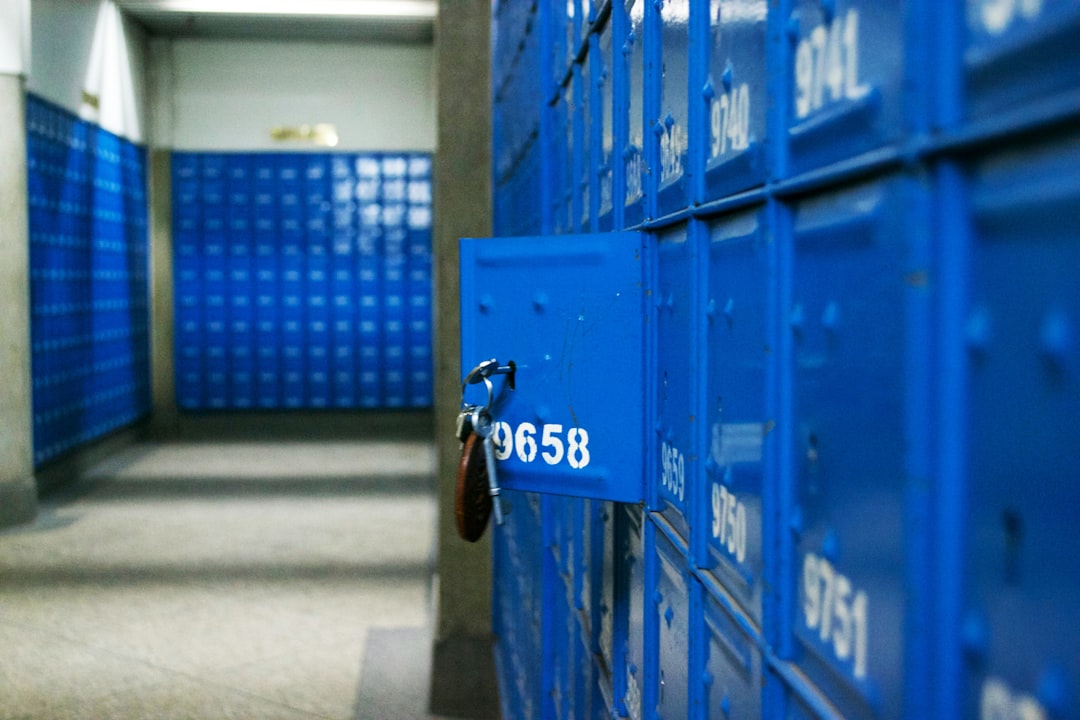
Ongoing administration maintains system integrity. Implement a digital log for locker assignments and vacancies. Additionally, track maintenance requests and resolutions promptly. Furthermore, document any security incidents with detailed reports. Moreover, update procedures based on operational feedback and regulatory changes. This proactive approach ensures the storage system evolves with organizational needs.
- Creation of detailed facility specifications and layout drawings
- Development of multilingual storage policy handbooks
- Systematic worker enrollment and locker assignment process
- Digital tracking system for assignments and maintenance
- Documentation protocols for incidents and resolutions
- Regular policy reviews and procedure updates
Worker Storage Security Areas Implementation Timeline
A realistic timeline for worker storage security areas deployment spans several phases. The planning phase typically requires 2-4 weeks. This includes needs assessment, vendor selection, and design finalization. Additionally, budgeting and procurement approvals occur during this stage. Moreover, consultation with worker representatives ensures design acceptance.
Furthermore, the installation phase generally takes 3-6 weeks. Site preparation precedes equipment delivery and assembly. Additionally, security system integration requires specialized technicians. Moreover, quality inspections verify installation meets specifications. Consequently, proper project management prevents delays. Partnering with experienced vendors familiar with UAE employment regulations streamlines this process.
Finally, the operational rollout phase completes implementation. This involves staff training, policy distribution, and worker orientation. Additionally, a soft launch identifies any procedural gaps. Furthermore, full operational status begins after successful testing. Moreover, ongoing monitoring ensures continuous improvement. This phased approach minimizes disruption to workforce operations.
- Weeks 1-4: Planning, design, and vendor selection
- Weeks 5-10: Procurement, site preparation, and installation
- Weeks 11-12: System testing, staff training, and policy rollout
- Week 13: Worker orientation and soft launch
- Ongoing: Monitoring, maintenance, and periodic reviews
- Annual: Comprehensive audit and upgrade planning
Common Challenges and Solutions
Employers frequently encounter challenges when implementing storage security systems. Space constraints often limit locker room size. Creative solutions include vertical stacking or mezzanine levels. Additionally, multi-shift work patterns complicate access management. Therefore, electronic systems with shift-based permissions prove effective. Moreover, budget limitations may restrict initial investment. Consequently, phased implementation across multiple accommodation blocks spreads costs.
Furthermore, maintenance issues can undermine system reliability. Dust and humidity in Gulf climates affect mechanical locks. Regular cleaning and climate control mitigate these problems. Additionally, lost keys or access cards create security vulnerabilities. Implementing a swift replacement protocol with cost recovery prevents abuse. Moreover, cultural differences in property perception require clear communication. Multilingual signage and orientation sessions address this challenge.
Regulatory compliance presents another common hurdle. Evolving GCC labor laws necessitate ongoing monitoring. Therefore, assign a compliance officer to track regulatory changes. Additionally, documentation requirements vary between emirates and kingdoms. Consequently, maintain separate compliance checklists for each jurisdiction. Finally, worker turnover affects locker allocation logistics. A streamlined process for reassignment ensures administrative efficiency.
- Space optimization through vertical storage solutions
- Electronic access systems for multi-shift operations
- Phased implementation to manage budget constraints
- Regular maintenance schedules for climate-affected equipment
- Multilingual communication strategies for diverse workforces
- Dedicated compliance monitoring for evolving regulations
Expert Recommendations for Success
Successful storage security implementation requires strategic foresight. First, prioritize quality over cost when selecting lockers and security systems. Durable equipment reduces long-term replacement expenses. Additionally, integrate storage areas with broader camp security infrastructure. This includes lighting, surveillance, and patrol routes. Moreover, consider future expansion during initial design. Consequently, facilities can adapt to growing workforce numbers.
Furthermore, engage workers in the process from the beginning. Their practical insights improve functionality and acceptance. Additionally, establish a clear grievance mechanism for storage-related issues. This demonstrates commitment to resolving concerns fairly. Moreover, benchmark against industry leaders in worker welfare. The World Bank’s urban development reports often highlight best practices.
Finally, view secure storage as part of your employer brand. Excellent welfare facilities attract and retain quality talent. Additionally, they enhance your reputation with clients and regulators. Moreover, they contribute to overall worksite safety and morale. Therefore, allocate sufficient resources and management attention. This investment yields returns through reduced turnover and improved productivity.
- Investment in high-quality, durable locker systems
- Integration with overall site security and surveillance
- Design scalability for future workforce expansion
- Active worker consultation and feedback mechanisms
- Benchmarking against regional industry leaders
- Positioning as a key element of employer value proposition
Frequently Asked Questions About Worker Storage Security Areas
What are the minimum size requirements for worker storage security areas?
Minimum requirements vary by GCC country. Generally, individual lockers should be at least 15x15x30 inches. Furthermore, storage room size must allow 0.5 square meters per worker. Additionally, aisle space requires minimum 36-inch width for accessibility. Therefore, consult local labor ministry guidelines for exact specifications.
What locker specifications ensure maximum security?
Secure lockers feature 16-gauge minimum steel construction. Additionally, internal hinges prevent external tampering. Moreover, locking mechanisms should be pick-resistant and durable. Furthermore, electronic locks with audit trails enhance security monitoring. Consequently, these specifications deter theft and unauthorized access effectively.
How should employers handle lost keys or access cards?
Implement a clear lost key protocol immediately. This includes reporting, locker drilling/replacement, and cost recovery. Furthermore, maintain master keys or override codes for emergencies. Additionally, consider electronic systems with deactivation capabilities. Moreover, document all incidents for security review and pattern analysis.
Are employers liable for items stolen from storage areas?
Liability depends on demonstrated negligence. Employers providing reasonably secure facilities typically have limited liability. However, clear policies should state that high-value items remain at owner’s risk. Furthermore, insurance may cover theft if security protocols were followed. Therefore, consult legal counsel for specific disclaimers and coverage.
How often should storage areas be inspected and maintained?
Conduct formal monthly inspections for functionality and cleanliness. Furthermore, perform security system checks weekly. Additionally, deep cleaning should occur quarterly. Moreover, comprehensive audits including lock testing are recommended biannually. Consequently, this schedule prevents deterioration and ensures ongoing compliance.
Can storage facilities be outsourced to third-party providers?
Yes, but employer responsibility remains. Third-party providers must meet all regulatory specifications. Additionally, service level agreements should define maintenance and security standards. Moreover, employers must conduct due diligence on provider capabilities. Finally, regular oversight ensures contractual obligations are fulfilled consistently.
Partner with Allianze HR for Storage Security Success
Implementing effective worker storage security areas requires specialized expertise. This guide has outlined critical specifications, compliance standards, and best practices. Furthermore, proper planning ensures facilities protect worker belongings adequately. Additionally, robust