


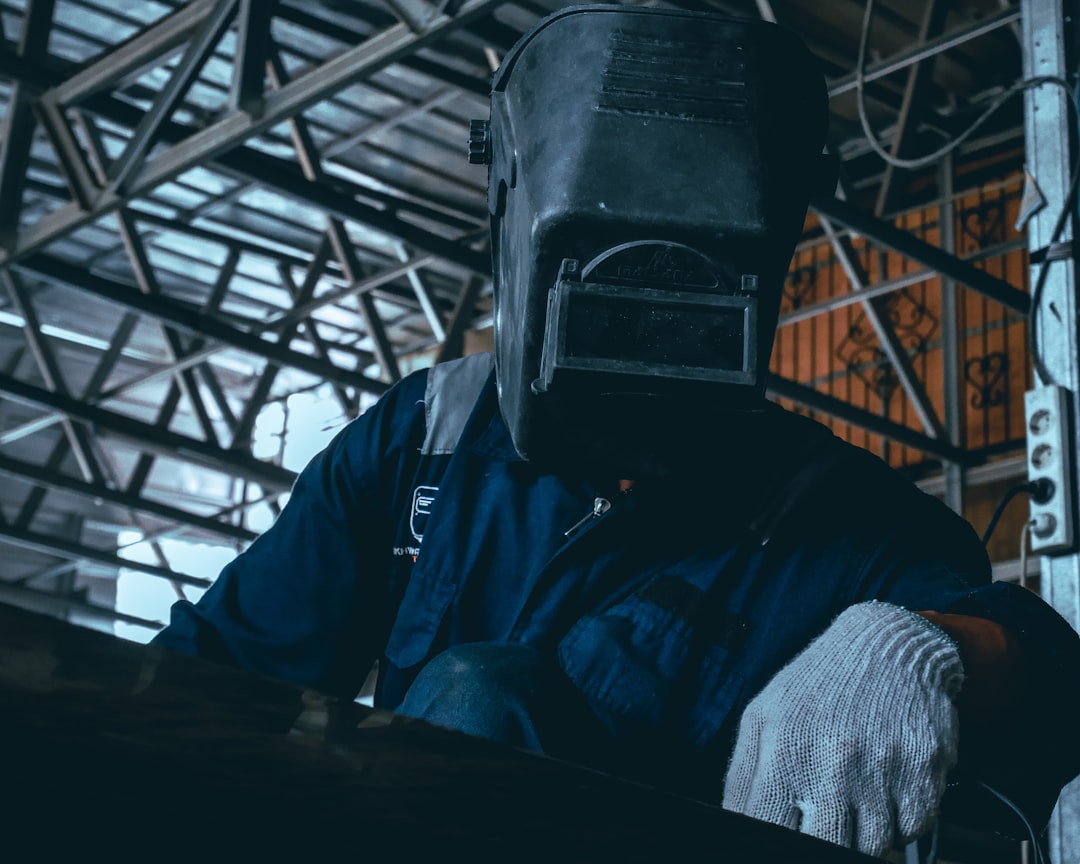
How can GCC employers ensure comprehensive worker welfare for welding inspectors in Qatar? Furthermore, Qatar’s construction boom demands skilled welding professionals. Therefore, proper staff care ensures project success. Additionally, compliance with Qatari labor laws proves essential. This guide addresses critical worker welfare safety requirements.
Welding inspectors face unique occupational hazards in industrial environments. Moreover, Qatar’s climate presents additional health challenges. Consequently, specialized welfare protocols become necessary. The Supreme Committee for Delivery & Legacy established stringent standards. These standards now influence all Qatari construction projects. Understanding these requirements protects both workers and employers.
At Allianze HR Consultancy, we’ve successfully placed 10,000+ professionals across UAE, Saudi Arabia, Qatar, and Kuwait. Furthermore, our 5+ years of GCC expertise supports clients from 50+ countries. Moreover, our Ministry of External Affairs (India) RA license ensures compliance. Therefore, contact our recruitment specialists for expert guidance.
Understanding GCC Welding Inspector Requirements
Welding inspectors perform critical quality control functions. Additionally, they ensure structural integrity and safety compliance. Qatari projects require specific certifications. These include CSWIP or AWS certifications typically. Moreover, experience with Qatari standards proves advantageous.
GCC employers must verify technical qualifications thoroughly. Furthermore, understanding workplace conditions remains essential. The International Labour Organization guidelines emphasize proper training. Employers should provide hazard-specific instruction. Additionally, regular skill updates maintain competency.
- CSWIP 3.1 or AWS CWI certification requirements
- Minimum 5 years pipeline or structural experience
- Arabic language basics for site communication
- Radiation safety officer certification for NDT
- Heat stress management training certification
- Qatari Ministry approval for inspection authorities
Recruitment should prioritize both technical and safety competencies. Moreover, cultural adaptation support improves retention. Many projects involve international teams. Therefore, communication skills become particularly valuable. Proper screening identifies suitable candidates effectively.
Worker Welfare Welding Inspector Strategic Overview
Strategic worker welfare planning prevents numerous operational issues. Furthermore, it demonstrates corporate social responsibility. Qatar’s Labor Law No. 14 of 2004 establishes baseline requirements. Additionally, the Workers’ Support and Insurance Fund provides additional protections.
Effective staff care programs reduce turnover significantly. Moreover, they enhance productivity and quality outcomes. The World Bank labor market reports confirm this correlation. Therefore, welfare investments yield tangible returns. Employers should develop comprehensive programs.
- Medical insurance covering heat-related illnesses
- Air-conditioned accommodation with recreation facilities
- Regular rest breaks during extreme temperature periods
- Protective equipment replacement protocols
- Mental health support and counseling services
- Career development and certification opportunities
Documentation proves compliance during inspections. Employers must maintain detailed records. These include accommodation certificates and medical reports. Additionally, training attendance logs demonstrate commitment. Proper worker welfare welding inspector programs require systematic implementation.
Legal Framework and Compliance Standards
Qatar’s legal system provides comprehensive worker protections. The Labor Law establishes fundamental rights. These include maximum working hours and leave entitlements. Additionally, Ministerial Decision No. 16 of 2017 addresses outdoor work restrictions.
Furthermore, the International Labour Organization guidelines influence local standards. Employers should monitor evolving requirements. The Supreme Committee established additional mandates. These apply to World Cup-related projects initially. However, they now represent best practice benchmarks.
- Outdoor work prohibition during summer midday hours
- Minimum accommodation space requirements per worker
- Comprehensive medical insurance coverage mandates
- Wage Protection System implementation requirements
- Contract substitution prohibition regulations
- Grievance mechanism establishment obligations
Compliance verification occurs through multiple channels. The Ministry of Administrative Development, Labor and Social Affairs conducts inspections. Additionally, project clients often perform audits. Therefore, meticulous record-keeping proves essential. Non-compliance results in significant penalties.
Worker Welfare Welding Inspector Best Practices
Best practices exceed minimum legal requirements substantially. Furthermore, they address welding-specific hazards specifically. Proper worker welfare welding inspector protocols include environmental monitoring. Additionally, they provide specialized medical surveillance.
Heat stress management requires particular attention. Qatar’s summer temperatures exceed 40°C regularly. Moreover, welding generates additional thermal exposure. Therefore, employers must implement control measures. These include shaded rest areas and hydration stations.
- Regular atmospheric monitoring for fume exposure levels
- Hydration protocol enforcement with electrolyte replacement
- UV radiation protection through appropriate screening
- Ergonomic assessment for repetitive inspection tasks
- Noise exposure monitoring in fabrication yards
- Vibration hazard controls for ultrasonic testing equipment
The World Health Organization workplace standards provide additional guidance. Employers should implement medical surveillance programs. These include regular lung function tests. Additionally, eye examinations detect welding flash damage. Comprehensive programs prevent occupational illnesses effectively.
Documentation and Processing Steps
Proper documentation ensures regulatory compliance. Furthermore, it demonstrates commitment to staff wellbeing. The Qatari Ministry requires specific records. Employers must maintain these for inspection purposes.
First, employment contracts must meet specific criteria. These include clear terms and conditions. Additionally, they must specify working hours accurately. Moreover, overtime compensation rates require explicit statement. Contract attestation occurs through government channels.
- Medical fitness certificates from approved centers
- Accommodation inspection certificates from municipalities
- Safety training records with attendance documentation
- Equipment inspection and maintenance logs
- Wage Protection System transfer confirmations
- Grievance committee meeting minutes
Processing involves multiple government entities. The Ministry of Interior handles residency permits. Additionally, the Ministry of Public Health oversees medical screening. Furthermore, municipalities inspect labor accommodations. Therefore, coordination proves challenging without expert support. Our professional recruitment resources simplify this process.

Worker Welfare Welding Inspector Implementation Timeline
Implementation requires careful planning and sequencing. Furthermore, different elements have varying timeframes. Typically, comprehensive worker welfare welding inspector programs take 4-8 weeks. However, complex projects may require longer periods.
First, policy development occurs during the first week. This involves risk assessment and protocol design. Additionally, management approval secures necessary resources. Meanwhile, procurement begins for equipment and services.
- Week 1-2: Risk assessment and policy development
- Week 2-3: Accommodation preparation and certification
- Week 3-4: Medical facility agreements and insurance activation
- Week 4-5: Training material development and translation
- Week 5-6: Staff training and equipment distribution
- Week 6-8: Monitoring system implementation and auditing
Documentation systems require parallel implementation. Additionally, staff training ensures proper execution. The U.S. Department of Commerce trade resources recommend phased approaches. This minimizes operational disruption. Moreover, it allows for adjustment based on feedback.
Common Challenges and Solutions
Employers face several implementation challenges frequently. Climate adaptation presents the most significant hurdle. Furthermore, cultural differences sometimes cause misunderstandings. Additionally, regulatory complexity creates compliance gaps.
Heat stress management requires innovative solutions. Many companies implement modified work schedules. These include early morning starts during summer months. Additionally, mobile cooling stations prove effective. Moreover, acclimatization programs help new arrivals adjust gradually.
- Challenge: High turnover due to difficult conditions
- Solution: Career progression pathways and recognition programs
- Challenge: Communication barriers in multicultural teams
- Solution: Multilingual safety materials and interpreters
- Challenge: Regulatory changes creating compliance gaps
- Solution: Dedicated compliance officer and legal subscriptions
Accommodation standards require particular attention. The UAE government employment regulations provide useful benchmarks. Many Qatari employers now exceed minimum requirements. This includes providing recreational facilities. Additionally, internet access improves morale significantly.
Expert Recommendations for Success
Successful programs share several common characteristics. Furthermore, they integrate welfare into overall operations. Additionally, they involve workers in development processes. This creates ownership and improves compliance.
First, leadership commitment proves fundamental. Senior management must champion welfare initiatives. Moreover, they should allocate sufficient resources. Budget constraints often undermine program effectiveness. Therefore, realistic financial planning becomes critical.
- Establish joint worker-management welfare committees
- Conduct regular satisfaction surveys and act on feedback
- Benchmark against international standards continuously
- Invest in welfare technology and monitoring systems
- Develop key performance indicators for welfare metrics
- Integrate welfare into overall safety management systems
Continuous improvement ensures program relevance. Furthermore, it addresses emerging challenges proactively. Regular audits identify improvement opportunities. Additionally, incident analysis prevents recurrence. Successful employers view welfare as strategic investment rather than cost.
Frequently Asked Questions About Worker Welfare Welding Inspector
What is the timeline for worker welfare welding inspector programs?
Timeline typically ranges 4-8 weeks depending on program complexity. Furthermore, accommodation preparation affects implementation speed. Therefore, consult our specialists for accurate estimates.
What documentation is required for staff care compliance?
Required documents include accommodation certificates, medical reports, training records, and equipment logs. Additionally, Ministry inspection reports prove compliance. Moreover, grievance committee minutes demonstrate procedural adherence.
What are typical costs for employee wellbeing programs?
Costs vary by program comprehensiveness and workforce size. Furthermore, medical insurance premiums and accommodation standards affect investment. Therefore, request detailed quotations from schedule consultation appointment for accurate budgeting.
How does Allianze HR ensure regulatory compliance?
We maintain Ministry-approved RA license status. Additionally, our team monitors Qatari labor law changes continuously. Moreover, we conduct thorough documentation verification at every implementation stage.
Which GCC countries does Allianze serve?
We provide recruitment services across UAE, Saudi Arabia, Qatar, Kuwait, Bahrain, and Oman. Furthermore, our South Asian talent network spans India, Nepal, Bangladesh, and Pakistan.
What industries does Allianze specialize in?
Our expertise covers construction, hospitality, healthcare, facilities management, manufacturing, and technical services. Additionally, we handle both skilled and semi-skilled recruitment including welding inspectors.
Partner with Allianze HR for Welding Inspector Success
Comprehensive worker welfare welding inspector programs deliver significant benefits. Furthermore, they ensure regulatory compliance and operational excellence. Additionally, they enhance corporate reputation and worker satisfaction. Therefore, strategic investment proves justified repeatedly.
Qatar’s regulatory environment continues evolving. Moreover, international standards increasingly influence local requirements. Consequently, proactive adaptation remains essential. Employers should benchmark against best practices continuously. This ensures competitive advantage in talent acquisition.
Allianze HR Consultancy provides complete support for welding inspector recruitment and welfare. Furthermore, our GCC expertise ensures compliance and effectiveness. Additionally, our extensive candidate network identifies qualified professionals. Therefore, partner with us for your Qatari projects. Contact our specialists today to discuss your specific worker welfare welding inspector requirements.