


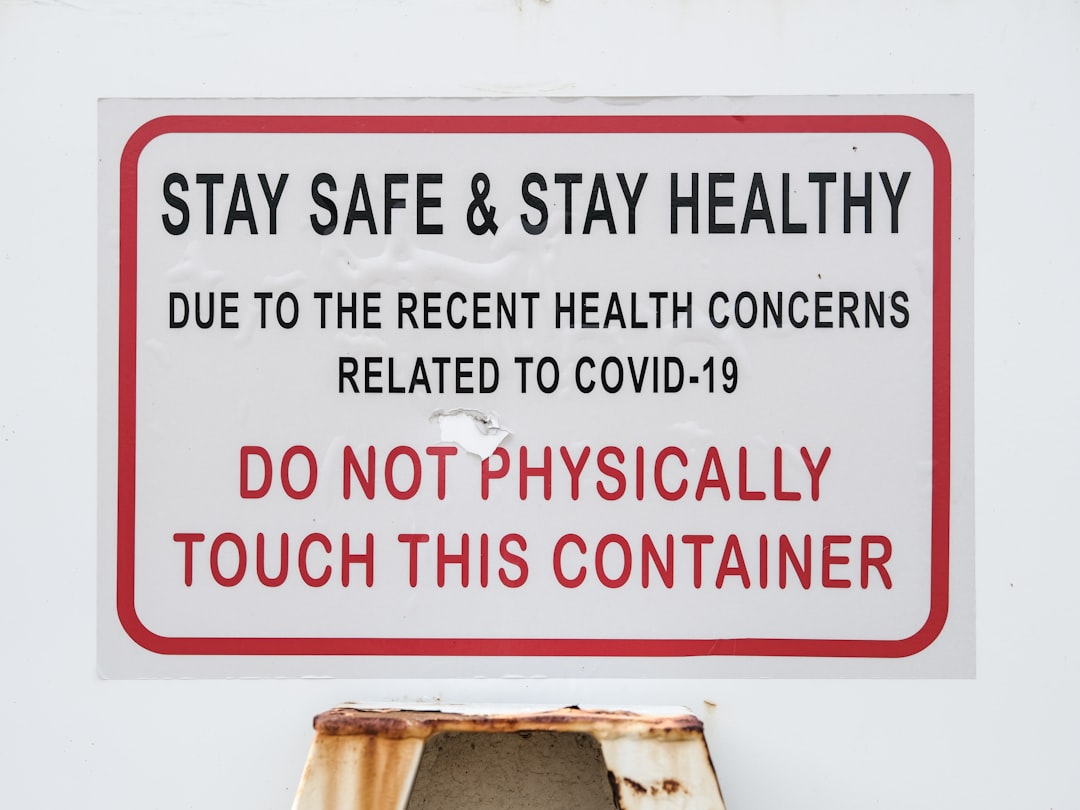
Are you confident your operations meet the stringent workplace health safety standards across the GCC? Furthermore, the Gulf region enforces rigorous occupational safety regulations. Consequently, compliance is not optional for sustainable business. Moreover, understanding these standards protects your workforce and your enterprise. Therefore, this guide provides essential insights for employers navigating this critical landscape.
The GCC labor market prioritizes worker protection and occupational wellbeing. Additionally, each member state implements specific health and safety protocols. These regulations cover construction, hospitality, manufacturing, and corporate sectors. Moreover, non-compliance risks severe penalties and operational disruptions. Hence, proactive adherence becomes a strategic advantage for regional employers.
At Allianze HR Consultancy, we’ve successfully placed 10,000+ professionals across UAE, Saudi Arabia, Qatar, and Kuwait. Furthermore, our 5+ years of GCC expertise supports clients from 50+ countries. Moreover, our Ministry of External Affairs (India) RA license ensures compliance. Therefore, contact our recruitment specialists for expert guidance on building a safe, compliant workforce.
Understanding GCC Occupational Safety Requirements
GCC nations maintain comprehensive occupational safety frameworks. Additionally, these frameworks align with international best practices. Each country’s Ministry of Labor or equivalent authority sets specific mandates. For example, the UAE’s Federal Law No. 8 and Saudi Arabia’s Occupational Safety and Health System (OSH) are foundational. Moreover, these laws mandate employer responsibilities for hazard prevention.
Common requirements include regular workplace risk assessments. Furthermore, employers must provide appropriate personal protective equipment (PPE). Additionally, emergency response plans and first-aid provisions are compulsory. Consequently, systematic implementation prevents accidents and ensures legal compliance. For instance, proper signage and safety training reduce incident rates significantly.
- Mandatory risk assessments for all operational activities.
- Provision of certified personal protective equipment (PPE).
- Regular safety training and emergency drill protocols.
- Maintenance of first-aid facilities and trained personnel.
- Documentation of all incidents and corrective actions.
- Compliance with sector-specific safety codes.
Employers must also consider environmental factors like extreme heat. Specifically, summer working hour restrictions protect outdoor workers. Moreover, adequate hydration and shaded rest areas are legally required. Therefore, adapting operations to regional conditions is essential. Finally, partnering with experts ensures all bases are covered effectively.
Workplace Health Safety Standards Strategic Overview
Implementing robust workplace health safety standards requires a strategic approach. First, leadership commitment establishes a culture of safety. Furthermore, integrating safety into core business processes ensures sustainability. Additionally, regular audits identify gaps before they become violations. Consequently, a proactive strategy minimizes risk and enhances productivity.
Key strategic elements include policy development and communication. Moreover, appointing dedicated safety officers demonstrates organizational commitment. These professionals oversee compliance and training programs. Therefore, their role is critical for maintaining standards. For example, they conduct toolbox talks and safety inductions for new hires.
- Develop and communicate a clear health and safety policy.
- Appoint and empower qualified safety officers and committees.
- Integrate safety metrics into management performance reviews.
- Allocate dedicated budget for safety equipment and training.
- Establish clear reporting lines for hazards and incidents.
- Leverage technology for safety monitoring and reporting.
Technology plays an increasing role in safety management. Digital platforms can track training, report incidents, and manage permits. Moreover, they provide data for continuous improvement. Therefore, investing in such systems offers long-term benefits. Ultimately, a strategic view transforms compliance from a cost to a value driver.
Legal Framework and Compliance Standards
The GCC legal framework for occupational health is multifaceted. It draws from both local legislation and international conventions. For instance, the International Labour Organization standards influence regional laws. Additionally, each country’s civil defense and municipal authorities enforce building and fire codes.
In the UAE, the Ministry of Human Resources and Emiratisation (MOHRE) sets labor standards. Meanwhile, the Saudi Arabian Ministry of Labor regulations are equally comprehensive. Qatar’s Ministry of Administrative Development, Labor and Social Affairs (ADLSA) has its own strict protocols. Moreover, free zones often have additional, specific requirements.
- Adherence to national labor laws and ministerial decrees.
- Compliance with civil defense and fire safety regulations.
- Following international standards like ISO 45001 for safety management.
- Meeting requirements from sector-specific regulatory bodies.
- Respecting worker welfare provisions in employment contracts.
- Regular renewal of all safety certificates and licenses.
Documentation is a critical component of legal compliance. Employers must maintain records of training, inspections, and incidents. Furthermore, these records must be readily available for inspection. Therefore, organized documentation systems are non-negotiable. Consequently, many firms use specialized consultants to manage this complex aspect.
Workplace Health Safety Standards Best Practices
Adopting best practices elevates your workplace health safety standards beyond basic compliance. First, foster a top-down safety culture where management leads by example. Furthermore, encourage employee participation in safety committees. This engagement leads to better hazard identification and buy-in. Moreover, regular, relevant training is the cornerstone of an effective program.
Continuous improvement through data analysis is another best practice. Track leading indicators like near-misses, not just accidents. Additionally, benchmark your performance against industry standards. The World Health Organization occupational health guidelines provide a valuable reference. Therefore, data-driven decisions enhance your safety outcomes significantly.
- Conduct engaging, scenario-based safety training regularly.
- Implement a transparent near-miss and hazard reporting system.
- Perform periodic ergonomic assessments for office and field staff.
- Ensure mental wellbeing is part of the health and safety program.
- Develop clear contractor safety management protocols.
- Celebrate safety milestones and recognize safe behaviors.
Best practices also extend to worker accommodation and transport. GCC laws often mandate standards for labor camps and company vehicles. Moreover, these areas are frequently inspected by authorities. Therefore, applying the same rigor to off-site worker welfare is essential. Ultimately, holistic protection builds trust and reduces turnover.
Documentation and Processing Steps
Robust documentation validates your compliance with safety regulations. First, develop a Safety Manual outlining all policies and procedures. Furthermore, maintain individual training records for every employee. Additionally, keep inspection reports for equipment, fire systems, and first-aid kits. Consequently, this paperwork forms your defense during audits or incidents.
The processing of safety documentation follows a logical sequence. Initially, identify all applicable legal and client requirements. Next, develop procedures to meet each requirement. Subsequently, implement these procedures and train your team. Finally, audit, review, and update the system continuously. Therefore, documentation is a dynamic, ongoing process.

- Company Safety Policy and Management System Manual.
- Job-specific Risk Assessments and Method Statements (RAMS).
- Training attendance sheets and competency certificates.
- Equipment inspection, testing, and maintenance logs.
- Incident investigation reports and corrective action plans.
- Medical screening records and health surveillance data.
Digital document management systems are highly recommended. They ensure version control and easy access. Moreover, they facilitate reporting and trend analysis. Therefore, investing in such a system improves efficiency and accuracy. For further guidance, explore our professional recruitment resources which include compliance checklists.
Workplace Health Safety Standards Implementation Timeline
Establishing compliant workplace health safety standards requires careful planning. A typical implementation timeline spans 3 to 6 months for a mid-sized company. First, the initial gap analysis and planning phase takes 2-4 weeks. Furthermore, policy development and management system design require another month. Subsequently, rolling out training and procedures takes the longest duration.
Key milestones include management review meetings and internal audits. Additionally, achieving external certification (like ISO 45001) extends the timeline. Moreover, continuous employee onboarding necessitates ongoing safety induction. Therefore, the timeline is cyclical, not linear. Consequently, patience and persistence are vital for successful implementation.
- Weeks 1-4: Gap analysis, legal register, and project planning.
- Weeks 5-8: Develop policies, procedures, and documentation framework.
- Weeks 9-14: Conduct management and employee training sessions.
- Weeks 15-20: Full system implementation and operational controls.
- Weeks 21-24: Internal audit, management review, and corrective actions.
- Ongoing: Continuous monitoring, review, and improvement cycles.
Accelerate your timeline by leveraging experienced partners. Allianze HR can integrate safety-compliant recruitment from the start. We ensure candidates are pre-screened for safety awareness. Moreover, our onboarding includes verification of safety certifications. Therefore, schedule a consultation appointment to streamline your process.
Common Challenges and Solutions
Employers face several challenges implementing safety standards. First, language barriers can hinder effective training for diverse workforces. Furthermore, high staff turnover disrupts consistent safety culture development. Additionally, interpreting complex and sometimes changing regulations is difficult. Moreover, cost constraints may limit investments in safety equipment and training.
Practical solutions exist for each challenge. For language barriers, use visual aids and multilingual trainers. Furthermore, integrate safety messaging into daily routines and simple protocols. To combat turnover, make safety induction a non-negotiable first-day activity. Additionally, use technology like translation apps for critical instructions.
- Challenge: Regulatory complexity. Solution: Partner with a local compliance consultant.
- Challenge: Cost management. Solution: Phase investments and prioritize high-risk areas.
- Challenge: Employee engagement. Solution: Involve workers in safety decisions and recognitions.
- Challenge: Documentation burden. Solution: Implement a user-friendly digital management system.
- Challenge: Contractor compliance. Solution: Include safety clauses in all contracts and conduct pre-work audits.
- Challenge: Measuring effectiveness. Solution: Track leading indicators and conduct perception surveys.
Staying updated on regulatory changes is another common hurdle. Subscribe to updates from authorities like the UAE government portals. Moreover, industry associations provide valuable updates. Therefore, a proactive information-gathering strategy is essential. Ultimately, viewing challenges as improvement opportunities fosters resilience.
Expert Recommendations for Success
Success in GCC safety compliance requires a blend of local knowledge and global standards. First, prioritize leadership visibility and commitment to safety. When leaders actively participate, it signals true importance. Furthermore, customize global best practices to the local cultural context. For instance, training should respect communication styles and hierarchies.
Invest in building internal competency alongside external consultancy. Develop a cadre of safety champions within your workforce. Additionally, leverage resources from global bodies like the International Labour Organization. Moreover, consider the broader World Bank labor market insights for strategic planning.
- Secure visible, ongoing commitment from top management.
- Hire or develop competent, respected safety professionals.
- Simplify procedures and communication for clarity.
- Integrate safety performance into business KPIs and rewards.
- Build relationships with local regulators and inspectors.
- Conduct regular benchmarking against industry peers.
Finally, view safety as integral to talent management. A safe workplace attracts and retains quality employees. Moreover, it enhances your company’s reputation with clients and partners. Therefore, your investment in workplace health safety standards delivers tangible returns. Consequently, it becomes a cornerstone of sustainable business growth in the GCC.
Frequently Asked Questions About Workplace Health Safety Standards
What is the timeline for implementing workplace health safety standards?
A full implementation typically takes 3-6 months for a medium-sized enterprise. Furthermore, the timeline depends on current compliance levels and workforce size. Therefore, consult our specialists for a customized project plan.
What are the penalties for non-compliance with GCC occupational safety rules?
Penalties range from heavy fines to work stoppages and imprisonment for severe negligence. Additionally, blacklisting and visa bans can apply to companies. Moreover, reputational damage often exceeds financial penalties. Consequently, proactive compliance is crucial.
Are safety standards different for blue-collar and white-collar workers?
The core duty of care applies to all workers. However, specific hazards differ by role. For example, construction workers need fall protection, while office staff require ergonomic assessments. Moreover, the law mandates suitable controls for all identified risks.
How does Allianze HR support client safety compliance?
We recruit candidates with verified safety certifications and awareness. Furthermore, our onboarding process emphasizes your company’s safety protocols. Moreover, we provide guidance on labor standards integration. Therefore, we build compliance from the first hiring step.
What is the most cited violation in GCC safety inspections?
Inadequate fall protection in construction and poor documentation are common. Additionally, lack of proper PPE and blocked fire exits are frequent findings. Moreover, insufficient training records often lead to citations. Consequently, focusing on these areas improves audit outcomes.
Can international safety management system certifications help in the GCC?
Yes, certifications like ISO 45001 are highly respected. They demonstrate a systematic approach to safety management. Furthermore, they can streamline client pre-qualification processes. Moreover, they provide a framework that often exceeds local minimum requirements.
Partner with Allianze HR for Occupational Safety Success
Navigating the complex landscape of workplace health safety standards in the GCC demands expertise. This guide has outlined the strategic, legal, and practical steps for compliance. Furthermore, a proactive approach protects your people and your business license. Moreover, it enhances productivity and corporate reputation. Therefore, treating safety as a core value is the ultimate strategic decision.
Allianze HR Consultancy is your ideal partner in this mission. We integrate safety-conscious recruitment into your talent strategy. Our team ensures your new hires understand and value safety protocols from day one. Additionally, our deep regional knowledge helps you avoid common pitfalls. Consequently