


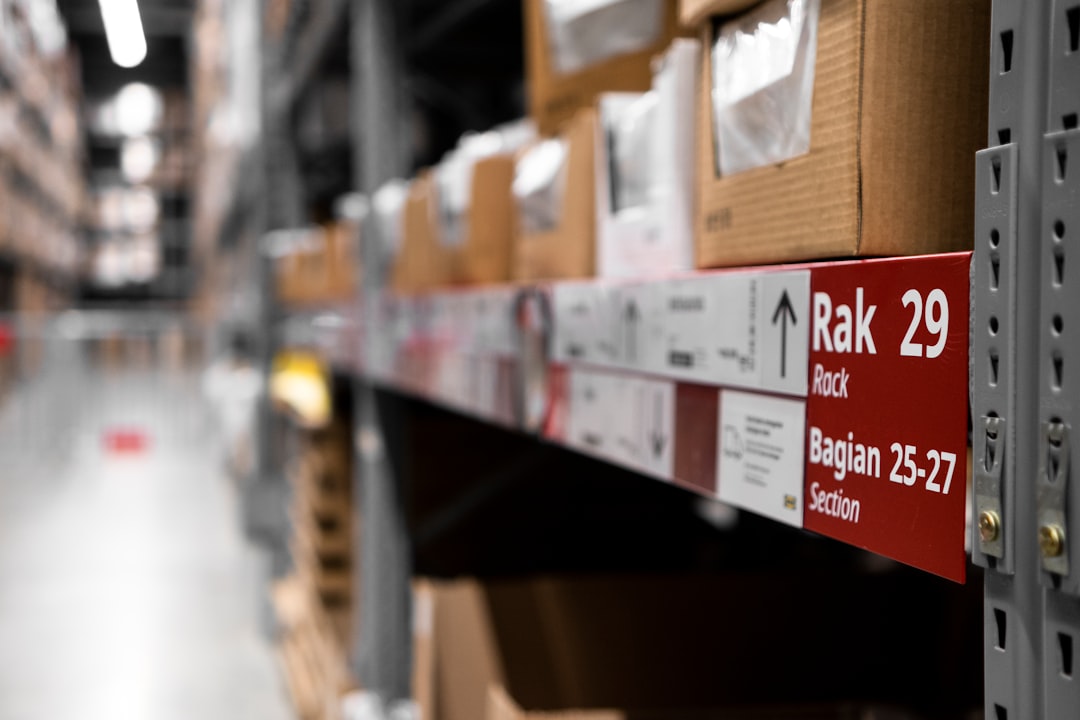
Are you struggling to manage construction material flows across your GCC projects? Effective store keepers materials management is the cornerstone of project profitability and timeline adherence. Furthermore, the Gulf’s booming construction sector demands precision in inventory control. Consequently, recruiting the right storekeeping talent with ERP system expertise becomes a critical strategic advantage. This guide provides a comprehensive roadmap for GCC employers.
The construction industry across the UAE, Saudi Arabia, Qatar, and Kuwait faces unique logistical challenges. Moreover, material waste and project delays directly impact the bottom line. Therefore, a skilled storekeeper acts as a vital linchpin. They ensure material availability, prevent theft, and optimize stock levels. Additionally, their role in cost control and compliance cannot be overstated for regional success.
At Allianze HR Consultancy, we’ve successfully placed 10,000+ professionals across UAE, Saudi Arabia, Qatar, and Kuwait. Furthermore, our 5+ years of GCC expertise supports clients from 50+ countries. Moreover, our Ministry of External Affairs (India) RA license ensures compliance. Therefore, contact our recruitment specialists for expert guidance on building your optimal materials management team.
Understanding GCC Construction Inventory Challenges
Construction projects in the Gulf region operate at an immense scale and pace. Consequently, material management complexities multiply across desert environments and urban megaprojects. Additionally, supply chain volatility and import dependencies add further layers of risk. Therefore, proactive inventory control is non-negotiable.
Specific regional challenges include extreme climate conditions affecting material storage. Furthermore, rapid project timelines demand just-in-time delivery systems. Moreover, diverse multinational workforces require clear, standardized procedures. A strategic approach to store keepers materials management mitigates these risks effectively.
Key focus areas for employers include reducing material pilferage and obsolescence. Additionally, accurate forecasting prevents costly project stoppages. Employers must also navigate local regulations for hazardous material storage. Understanding these factors shapes effective recruitment and process design.
- Climate-controlled storage for sensitive materials (e.g., cement, adhesives).
- Multi-site inventory coordination across large project footprints.
- Compliance with local civil defense and environmental standards.
- Integration with procurement and accounting departments.
- Management of supplier returns and warranty claims.
Store Keepers Materials Management Strategic Overview
A strategic approach to store keepers materials management transforms the warehouse from a cost center to a value hub. This function encompasses the entire material lifecycle from receipt to issuance. Furthermore, it requires balancing cost, availability, and space utilization. Therefore, the storekeeper’s role is highly analytical and procedural.
Modern materials management relies on data-driven decision making. Consequently, experience with digital tools is paramount. The storekeeper ensures accurate record-keeping for every transaction. Moreover, they generate vital reports on stock levels, turnover rates, and slow-moving items. This intelligence directly informs procurement strategy and financial planning.
In the GCC context, strategy must also consider labor accommodation and transportation. Materials often move between central yards and remote site locations. Additionally, language barriers among workforce necessitate clear labeling and systems. A holistic store keepers materials management plan addresses these operational realities.
- Implement a standardized material coding and classification system.
- Establish clear receiving, inspection, and quarantining procedures.
- Develop minimum/maximum stock level parameters for key items.
- Create a cycle counting schedule for continuous accuracy.
- Design efficient layout plans for material handling and safety.
Legal Framework and Compliance Standards
GCC employers must navigate a web of national and local regulations governing storage. These laws cover worker safety, environmental protection, and building codes. Furthermore, compliance is rigorously enforced by ministries and municipalities. Non-compliance results in severe fines, work stoppages, or even project cancellation.
Key regulations often relate to the storage of flammable, hazardous, or toxic materials. For example, OSHA construction industry standards provide a foundational framework for safe storage practices. Additionally, local civil defense authorities have specific requirements for fire prevention in warehouses and laydown yards.
Documentation compliance is equally critical. Storekeepers must maintain logs for material safety data sheets (MSDS), inspection reports, and equipment certifications. These records demonstrate due diligence during audits. Moreover, proper documentation supports insurance claims and dispute resolution.
- Adherence to UAE’s Civil Defence Code or Saudi’s SBC codes.
- Proper licensing for warehouses storing regulated chemicals.
- Compliance with International Labour Organization construction safety guidelines.
- Environmental regulations for waste material disposal and recycling.
- Local municipality rules for temporary site storage permits.
Store Keepers Materials Management Best Practices
Implementing industry best practices elevates store keepers materials management from basic to exceptional. First, establish a centralized and digital inventory database. This single source of truth prevents data silos and errors. Furthermore, it enables real-time visibility for project managers and accountants.
Second, enforce a strict “First-In, First-Out” (FIFO) system. This practice minimizes material spoilage and obsolescence. Particularly for items with shelf lives like sealants or paints, FIFO is crucial. Consequently, it directly reduces waste and protects project budgets.
Third, integrate the stores function with project planning. The storekeeper should participate in pre-project meetings to understand material requirements. This proactive collaboration prevents last-minute rushes and expedited shipping costs. Moreover, it fosters a culture of teamwork and shared accountability for project success.
- Conduct regular reconciliation of physical stock with system records.
- Implement barcode or RFID tagging for high-value items.
- Develop a robust material issuance process with authorized requisitions.
- Create a dedicated quarantine area for defective or non-conforming materials.
- Train all store personnel on safe material handling and equipment use.
Documentation and Processing Steps
Meticulous documentation is the heartbeat of effective inventory control. Every material movement must be recorded instantly and accurately. This process starts with the Goods Received Note (GRN) upon delivery. Furthermore, the GRN must match the purchase order and supplier invoice before acceptance.
Subsequently, materials are inspected, coded, and entered into the inventory system. The storekeeper then updates the bin location for easy retrieval. During issuance, a Material Requisition Note (MRN) authorized by project management triggers the transaction. Consequently, every issue reduces the system balance, maintaining perpetual accuracy.
Regular reporting closes the documentation loop. Key reports include stock status, slow-moving inventory, and valuation summaries. These documents inform financial accounting and strategic procurement decisions. Moreover, they are essential for audits and project performance reviews. Proper documentation, as outlined by UAE construction sector employment best practices, ensures transparency.

- Goods Received Note (GRN) with inspection remarks.
- Material Transfer Note (MTN) for inter-site movements.
- Stock Adjustment Vouchers for write-offs or corrections.
- Daily/Monthly Stock Reports for management review.
- Physical Inventory Count sheets and variance reports.
Store Keepers Materials Management Implementation Timeline
Implementing a robust store keepers materials management system requires careful phasing. A typical timeline spans 8 to 12 weeks for full operational rollout. First, the assessment and planning phase takes 2-3 weeks. This involves evaluating current processes, gaps, and technology needs.
Next, the recruitment and training phase is critical. Sourcing a qualified storekeeper with ERP experience may take 4-6 weeks. Meanwhile, parallel work on process design and system configuration occurs. Subsequently, the new hire leads the testing and pilot implementation for another 2-3 weeks.
Finally, full deployment and monitoring complete the timeline. The storekeeper runs the new system while refining procedures. Moreover, continuous feedback loops ensure the system adapts to project needs. This structured approach, supported by World Bank infrastructure development insights, minimizes disruption.
- Weeks 1-3: Process audit, software selection, and KPI definition.
- Weeks 4-6: Recruitment of key storekeeping personnel.
- Weeks 7-8: System configuration and procedure documentation.
- Weeks 9-10: Pilot testing with a limited set of materials.
- Weeks 11-12: Full rollout, training for end-users, and go-live.
Common Challenges and Solutions
Employers often face predictable challenges in materials management. First, resistance to new technology from existing staff is common. The solution involves inclusive change management and hands-on training. Furthermore, demonstrating time-saving benefits wins user adoption.
Second, inaccurate initial stock data sabotages any new system. Therefore, conducting a thorough physical count before implementation is essential. Additionally, investigating and reconciling all discrepancies sets a clean baseline. This step cannot be rushed or overlooked.
Third, poor communication between stores, procurement, and site teams causes delays. Implementing standardized request forms and regular coordination meetings solves this. Moreover, defining clear roles and responsibilities prevents finger-pointing. Adhering to World Health Organization workplace standards for safety also requires clear communication protocols.
- Challenge: High rate of stock discrepancies. Solution: Implement mandatory cycle counting and root cause analysis.
- Challenge: Material issuance without proper documentation. Solution: Enforce strict gate passes and supervisor authorization.
- Challenge: Inefficient warehouse layout. Solution: Redesign based on ABC analysis and material flow patterns.
- Challenge: Lack of skilled personnel. Solution: Partner with a specialist recruiter like Allianze HR.
Expert Recommendations for Success
To achieve excellence in materials management, follow these expert recommendations. First, invest in your storekeeper’s professional development. Encourage certifications in supply chain or inventory management. Furthermore, this investment boosts morale and retains top talent.
Second, leverage technology beyond basic ERP modules. Explore IoT sensors for climate monitoring or drones for stocktaking in large yards. Additionally, mobile apps for remote requisition approval streamline processes. These tools provide a competitive edge in efficiency.
Third, foster a culture of accountability and continuous improvement. Recognize teams that maintain high inventory accuracy. Moreover, conduct regular process reviews to identify bottlenecks. This proactive mindset, aligned with global World Bank trade and logistics principles, drives sustained performance. Finally, access our professional recruitment resources for ongoing support.
- Prioritize candidates with hands-on ERP experience (e.g., SAP, Oracle, MS Dynamics).
- Develop a clear career progression path for storekeeping staff.
- Benchmark your inventory turnover ratios against regional industry standards.
- Conduct supplier performance reviews based on delivery accuracy and quality.
- Schedule regular internal audits of the entire materials management process.
Frequently Asked Questions About Store Keepers Materials Management
What is the timeline for store keepers materials management system implementation?
Timeline typically ranges 8-12 weeks from planning to full rollout. Furthermore, recruitment of the lead storekeeper affects the schedule. Therefore, consult our specialists for a tailored project plan.
What skills are most critical for construction storekeeper recruitment?
Essential skills include ERP system proficiency, analytical ability, and knowledge of construction materials. Additionally, organizational skills and strict adherence to procedures are vital for inventory control success.
How does an ERP system improve materials management?
ERP systems provide real-time inventory visibility, automate reordering, and generate accurate reports. Consequently, they reduce manual errors, prevent stockouts, and provide data for cost analysis and forecasting.
How does Allianze HR ensure candidates have genuine ERP experience?
We conduct rigorous technical interviews and scenario-based testing. Furthermore, we verify past project experience and request system-generated reports as proof. Moreover, our assessment evaluates practical application, not just theoretical knowledge.
What are typical KPIs for a construction storekeeper?
Key Performance Indicators include inventory accuracy rate, stock turnover ratio, rate of material write-offs, and order fulfillment cycle time. Additionally, compliance with safety audits is a critical metric.
Can Allianze assist with temporary or contract storekeeping staff?
Yes, we provide flexible staffing solutions for peak project periods, maternity covers, or specific system implementation projects. Schedule a consultation appointment to discuss your temporary manpower needs.
Partner with Allianze HR for Inventory Control Success
Mastering store keepers materials management is a decisive factor in GCC construction profitability. From strategic overview to daily operations, the right systems and talent drive efficiency. Furthermore, compliance with regional standards protects your business from risk. Therefore, a meticulous approach to recruitment and process design delivers tangible ROI.
This guide has outlined the critical path from understanding challenges to implementing solutions. The cornerstone remains recruiting a competent storekeeper with proven ERP system experience. Such professionals transform your material flows from a source of waste to a pillar of project control. Consequently, your projects gain reliability, cost predictability, and competitive advantage.
Allianze HR Consultancy specializes in connecting GCC employers with top-tier materials management talent. Our deep regional network and rigorous vetting process ensure you find candidates who excel in inventory control. Let us help you build a team that safeguards your materials, your budget, and your project timelines. Take the next step toward operational excellence—reach out to our expert team today.