



How can your organization guarantee uninterrupted support during critical moments? In the demanding GCC region, maintaining a 24/7 emergency hotline requires a specialized, resilient workforce. Consequently, the challenge of continuous operation recruitment is paramount for sectors like healthcare, security, and corporate services. Therefore, mastering emergency hotline crisis response staffing is essential for operational integrity and public trust.
GCC nations enforce stringent service continuity regulations. Furthermore, cultural and linguistic diversity adds complexity to talent acquisition. Additionally, high-stress environments demand specific psychological resilience. Moreover, rapid staff turnover in these roles can disrupt service quality. Thus, a strategic approach to workforce deployment becomes a critical business function.
At Allianze HR Consultancy, we’ve successfully placed 10,000+ professionals across UAE, Saudi Arabia, Qatar, and Kuwait. Furthermore, our 5+ years of GCC expertise supports clients from 50+ countries. Moreover, our Ministry of External Affairs (India) RA license ensures compliance. Therefore, contact our recruitment specialists for expert guidance on building your resilient support team.
Understanding GCC Crisis Support Workforce Requirements
GCC markets demand unique competencies for helpline operations. First, linguistic skills must cover Arabic and English at minimum. Second, cultural empathy ensures appropriate caller interaction. Third, shift work tolerance is non-negotiable for 24/7 coverage. Additionally, familiarity with regional emergency protocols is vital.
Industries requiring this specialized manpower include healthcare helplines, corporate security desks, and government support centers. Furthermore, telecom crisis lines and utility emergency services also depend on continuous staffing. Consequently, recruitment strategies must be highly targeted. Employers must verify certifications in psychological first aid or crisis intervention.
Regional labor laws dictate specific working hour regulations. Moreover, mandatory break periods impact shift scheduling. Therefore, workforce planning requires precise legal knowledge. For instance, the Saudi Ministry of Labor regulations outline clear guidelines for continuous operations. Similarly, UAE authorities enforce strict standards for public-facing support roles.
- Mandatory multilingual capabilities (Arabic, English, often Urdu/Hindi).
- Certification in crisis management or tele-counseling.
- Proven resilience in high-pressure environments.
- Understanding of GCC-specific data privacy laws.
- Ability to work rotating night shifts and weekends.
- Clean criminal and background check records.
Emergency Hotline Crisis Response Staffing Strategic Overview
A successful emergency hotline crisis response staffing strategy extends beyond basic hiring. First, it involves creating a talent pipeline for immediate replacement needs. Second, it requires robust training programs for skill standardization. Third, it mandates competitive compensation to reduce attrition. Moreover, technological support systems are crucial for remote work capabilities.
Strategic planning begins with a thorough needs assessment. Specifically, analyze call volume patterns to predict peak staffing requirements. Subsequently, develop shift models that prevent agent burnout. Furthermore, implement succession planning for team leadership roles. This proactive approach ensures service continuity during unexpected staff shortages.
Partnering with a specialized recruiter like Allianze provides strategic advantages. For example, we maintain a pre-vetted talent pool of crisis response professionals. Additionally, our understanding of International Labour Organization employment standards informs ethical recruitment. Consequently, clients gain access to qualified candidates rapidly. This speed is critical for maintaining uninterrupted hotline services.
- Develop a multi-tiered talent pipeline for rapid scaling.
- Implement competency-based assessments for stress tolerance.
- Design shift rotations that comply with GCC labor laws.
- Establish continuous training on emerging crisis scenarios.
- Create clear career progression paths to retain top talent.
- Integrate technology for remote staffing and backup support.
Legal Framework and Compliance Standards
GCC compliance for 24/7 operations involves multiple regulatory layers. First, national labor ministries set maximum working hours and overtime rules. Second, data protection authorities govern caller information handling. Third, sector-specific regulators (e.g., health, security) impose additional certification mandates. Therefore, non-compliance risks severe penalties and service suspension.
Documentation requirements are particularly stringent for crisis response roles. For instance, employers must maintain verified records of psychological fitness certifications. Additionally, background checks must be attested by relevant authorities. Moreover, employment contracts must explicitly outline shift expectations and hazard allowances. Consequently, meticulous record-keeping is essential.
International standards also influence best practices. Specifically, the World Health Organization workplace health guidelines inform stress management protocols. Furthermore, U.S. Department of Commerce trade resources offer insights on service export standards. However, local GCC regulations always take precedence. Thus, expert navigation of this legal landscape is crucial.
- Adherence to GCC national labor laws on working hours.
- Compliance with data privacy regulations (e.g., PDPL in Saudi Arabia).
- Mandatory occupational health and safety assessments.
- Proper attestation of all professional and educational certificates.
- Clear contractual terms for night shift premiums and emergency pay.
- Regular auditing of processes against evolving regulatory updates.
Emergency Hotline Crisis Response Staffing Best Practices
Implementing proven best practices transforms your emergency hotline crisis response staffing from reactive to resilient. First, adopt a competency-based recruitment model focused on emotional intelligence. Second, develop a comprehensive onboarding program that simulates crisis calls. Third, establish peer support systems to mitigate secondary traumatic stress. Moreover, continuous performance monitoring ensures quality standards.
Technology integration significantly enhances staffing flexibility. For example, cloud-based platforms enable remote work during emergencies. Additionally, AI-powered scheduling tools optimize shift coverage based on forecasted demand. Furthermore, secure communication systems protect sensitive caller information. Consequently, operational resilience improves dramatically.
Employee wellbeing is a critical success factor. Specifically, provide access to confidential counseling services. Additionally, recognize and reward exemplary performance during critical incidents. Moreover, foster a team culture that values debriefing and shared learning. These practices, supported by resources from professional recruitment resources, reduce burnout and attrition. Therefore, service continuity becomes sustainable.
- Utilize behavioral interviewing to assess crisis coping skills.
- Implement mandatory simulation training before live call handling.
- Develop a tiered response team with escalation protocols.
- Use workforce management software for optimal scheduling.
- Establish a robust knowledge base for consistent information sharing.
- Conduct regular wellness checks and provide mental health days.
Documentation and Processing Steps
Efficient documentation processing accelerates deployment for continuous operation roles. Initially, collect and verify candidate passports, photographs, and educational certificates. Next, prepare employment contracts detailing specific terms for shift work. Subsequently, initiate visa and work permit applications through relevant government portals. Moreover, schedule mandatory medical examinations and security clearances.
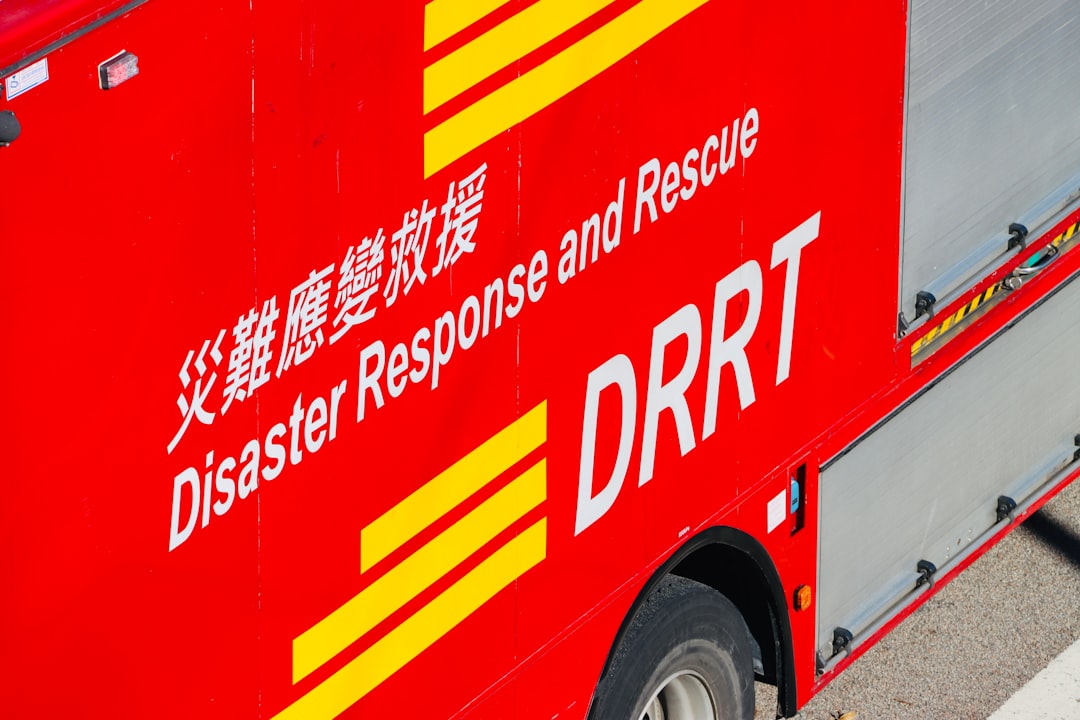
Each GCC country has distinct procedural requirements. For example, UAE requires attestation from the Ministry of Foreign Affairs in the candidate’s home country. Conversely, Qatar mandates a medical fitness certificate from approved health centers. Therefore, a standardized yet flexible process is necessary. Additionally, maintaining digital copies of all documents prevents delays.
Partnering with an experienced agency streamlines this complex workflow. Specifically, Allianze manages the entire documentation chain from collection to submission. Furthermore, we monitor application status through official channels. Consequently, employers receive regular updates without administrative burden. This allows management to focus on operational readiness instead of paperwork. For detailed planning, schedule consultation appointment with our processing experts.
- Collect and attest educational and professional certificates.
- Draft GCC-compliant employment contracts with shift clauses.
- Submit visa applications through appropriate government channels (e.g., UAE visa and immigration services).
- Coordinate medical tests at approved health centers.
- Secure necessary security clearances and background checks.
- Manage airline ticketing and airport pickup for deployed staff.
Emergency Hotline Crisis Response Staffing Implementation Timeline
A realistic timeline for emergency hotline crisis response staffing ensures smooth service launch. Typically, the end-to-end process spans 6 to 10 weeks. First, candidate sourcing and screening require 2-3 weeks. Second, documentation preparation and attestation take 1-2 weeks. Third, visa processing and medical clearance add another 2-3 weeks. Finally, travel arrangements and onboarding complete the cycle.
Several factors can influence this timeline. For instance, the candidate’s country of origin affects document attestation speed. Additionally, peak government processing seasons may cause delays. Moreover, the specific GCC destination has varying visa issuance times. Therefore, building buffer time into the project plan is prudent.
Accelerated timelines are possible with expert management. Specifically, Allianze’s pre-vetted talent pools reduce initial screening time. Furthermore, our established relationships with attestation authorities expedite documentation. Consequently, we can often deploy critical staff within 4-6 weeks for urgent requirements. This agility is vital for maintaining uninterrupted hotline coverage during expansion or staff turnover.
- Weeks 1-3: Job profiling, candidate sourcing, and interviews.
- Weeks 3-4: Offer acceptance, contract signing, and document collection.
- Weeks 4-6: Document attestation and visa application submission.
- Weeks 6-8: Medical examinations and security processing.
- Weeks 8-9: Visa stamping, flight booking, and pre-departure briefing.
- Week 10: Airport reception, company onboarding, and role-specific training.
Common Challenges and Solutions
Employers face predictable challenges in staffing 24/7 crisis response lines. First, high attrition rates due to job stress threaten continuity. Second, finding candidates with the right language and empathy mix is difficult. Third, navigating differing labor regulations across GCC states creates complexity. Moreover, ensuring consistent quality across all shifts presents an ongoing management challenge.
Practical solutions exist for each obstacle. For attrition, implement robust wellbeing programs and career advancement paths. For talent sourcing, expand recruitment to regions with strong service cultures. For regulatory complexity, partner with a pan-GCC recruitment firm. Furthermore, for quality assurance, use call monitoring and regular calibration sessions. These strategies create a more stable operation.
Technological challenges also emerge. Specifically, integrating new staff with existing CRM and dispatch systems takes time. Additionally, maintaining data security with a rotating shift workforce requires robust protocols. Therefore, investing in intuitive technology and comprehensive training is essential. Insights from World Bank labor market insights can inform sustainable workforce strategies. Consequently, operational resilience improves significantly.
- Challenge: Rapid burnout. Solution: Implement mandatory time-off and peer support.
- Challenge: Language skill gaps. Solution: Hire bilingual teams and provide language refreshers.
- Challenge: Cross-border compliance. Solution: Use a recruiter with multi-country GCC expertise.
- Challenge: Night shift staffing. Solution: Offer substantial shift differentials and transportation.
- Challenge: Training consistency. Solution: Develop digital training modules accessible on all shifts.
- Challenge: Performance monitoring. Solution: Use quality assurance software with detailed analytics.
Expert Recommendations for Success
Long-term success in crisis hotline staffing requires a strategic, human-centric approach. First, treat your response team as mission-critical assets, not cost centers. Second, invest in leadership development within the team to foster internal promotion. Third, build relationships with specialized training institutes for a steady talent pipeline. Moreover, regularly benchmark your practices against regional and international standards.
Data-driven decision-making enhances operational effectiveness. Specifically, analyze call data to predict staffing needs for different crises or seasons. Subsequently, adjust your workforce planning model accordingly. Furthermore, track key metrics like average speed of answer, first-call resolution, and staff satisfaction. Consequently, you can make informed adjustments to recruitment and training.
Finally, choose your recruitment partner with care. A true expert offers more than candidate CVs. They provide market intelligence on compensation trends. Additionally, they advise on regulatory changes affecting shift work. Moreover, they guarantee replacement candidates if a placement doesn’t work out. This comprehensive support, aligned with UAE employment regulations, transforms staffing from a challenge into a competitive advantage.
- Prioritize emotional intelligence and resilience equally with technical skills.
- Develop a “bench strength” of part-time or on-call responders.
- Engage in continuous process improvement based on staff feedback.
- Secure executive sponsorship to ensure adequate resource allocation.
- Foster partnerships with local universities for internship-to-employment pathways.
- Regularly audit your entire staffing lifecycle for compliance and efficiency.
Frequently Asked Questions About Emergency Hotline Crisis Response Staffing
What is the timeline for emergency hotline crisis response staffing?
A complete deployment typically takes 6-10 weeks. This includes sourcing, screening, documentation, visa processing, and travel. Furthermore, urgent placements can be expedited to 4-6 weeks with expert management. Therefore, consult our specialists for a precise project plan.
What qualifications are essential for crisis hotline agents?
Essential qualifications include fluency in Arabic and English, certification in crisis intervention, and proven emotional resilience. Additionally, experience in high-pressure customer service is highly valued. Moreover, a clean background check is mandatory for all support roles.
How do you ensure compliance with GCC shift work laws?
We draft employment contracts that explicitly comply with national labor laws regarding working hours, rest periods, and overtime premiums. Furthermore, our team continuously monitors regulatory updates across all GCC states. Consequently, we ensure your shift patterns and compensation are fully legal.
What strategies reduce attrition in these high-stress roles?
Effective strategies include competitive shift differentials, access to mental health support, clear career progression paths, and a strong team culture. Additionally, regular recognition and manageable workload balancing are critical. Therefore, a holistic approach to employee wellbeing is the best retention tool.
Can staff be recruited for remote or hybrid hotline work?
Yes, with proper technology and security protocols. Many GCC organizations now use cloud-based contact centers. However, data privacy laws and employment visa regulations must be carefully navigated. Moreover, specific performance monitoring systems are required for remote quality assurance.