


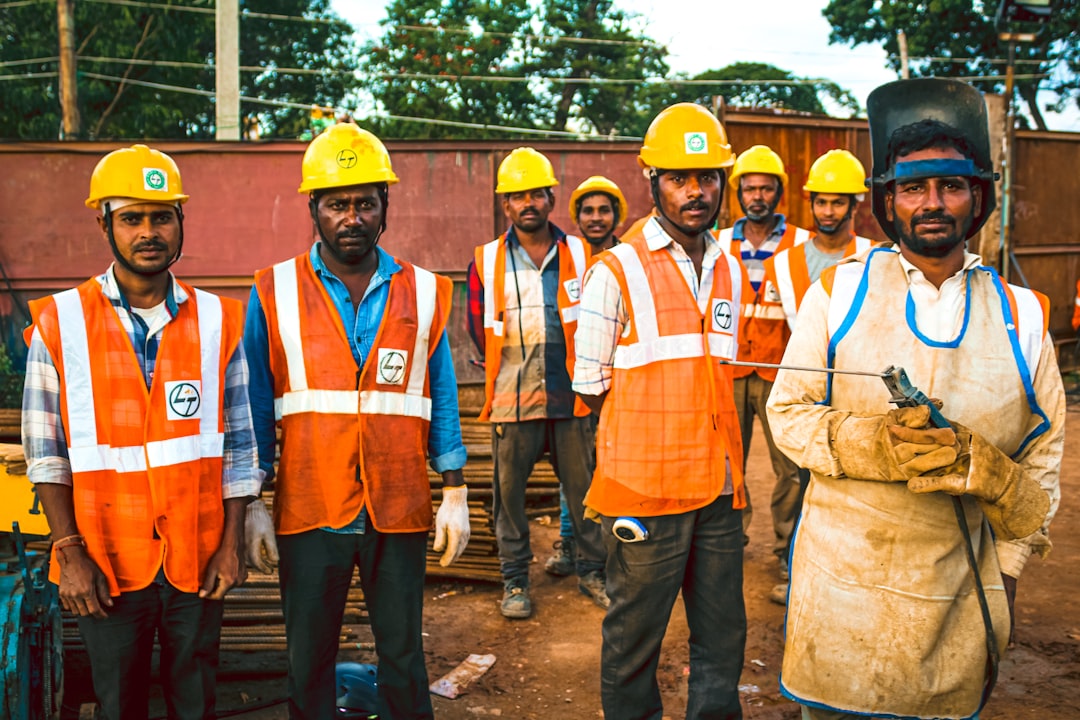
Saudi Arabia is experiencing a construction boom after the Iran conflict, creating urgent demand for skilled and semi-skilled labor. For Saudi employers, the most viable solution is to recruit African workers construction. This guide covers visa procedures, wage rules, housing, and cultural integration. By focusing on Ethiopia, Kenya, and Uganda, companies can fill critical roles quickly. The government now prioritizes rebuilding infrastructure, and foreign workers are essential. Therefore, understanding the entire hiring process is vital. Recruit African workers construction successfully by following these regulatory and operational steps.
The construction sector in the Kingdom is projected to grow 8% annually through 2026. Projects include new cities, roads, and energy facilities. African nations offer a young, mobile workforce with English skills and construction experience. Furthermore, wage expectations are competitive compared to South Asian sources. However, employers must comply with Saudi labor laws and international standards. Professional recruitment resources can simplify this complex journey. Additionally, proper planning reduces delays and legal risks.
At Allianze HR Consultancy, we’ve successfully placed 10,000+ professionals across UAE, Saudi Arabia, Qatar, and Kuwait. Furthermore, our 5+ years of GCC expertise supports clients from 50+ countries. Moreover, our Ministry of External Affairs (India) RA license ensures compliance. Therefore, contact our recruitment specialists for expert guidance.
Understanding GCC Visa and Immigration Requirements
First, Saudi employers must understand the visa framework for African workers. The process involves obtaining a work visa from the Saudi Ministry of Human Resources. Subsequently, the candidate must undergo medical screening in their home country. Additionally, police clearance certificates are required for Ethiopia, Kenya, and Uganda. The employer must sponsor the worker under the kafala system. Furthermore, job offers must be attested by the Saudi embassy. Also, labor contracts must be in Arabic and English. Therefore, early preparation is crucial.
Second, the employer must register with the Ministry of Human Resources and Social Development. Next, they must apply for a block visa for multiple workers. Meanwhile, each candidate must pass a skills assessment. Moreover, the visa validity typically lasts two years. Renewal requires a new medical exam and contract. Consequently, employers should maintain a compliance calendar. Using a professional agency helps avoid mistakes.
Third, document authentication is vital. All educational and experience certificates need attestation from the issuing country’s foreign ministry and the Saudi embassy. This step can take four to six weeks. Therefore, start documentation early. Additionally, translations must be certified. Furthermore, employer must provide proof of accommodation and insurance. Following these steps ensures a smooth entry for workers.
Recruit African Workers Construction Strategic Overview
The strategic importance of African labor for Saudi construction cannot be overstated. To recruit African workers construction effectively, employers must align with national development goals. The post‑Iran war reconstruction plan requires mass hiring. Therefore, a strategic overview helps companies plan capacity. First, identify the specific trades needed: masons, electricians, welders, and general laborers. Second, evaluate the labor supply in Ethiopia, Kenya, and Uganda. Each country has different skill concentrations and wage expectations.
Third, consider cultural and language compatibility. English is widely spoken in Kenya and Uganda, reducing training costs. Ethiopian workers often speak Amharic; basic Arabic training may be needed. Moreover, religious practices differ, so employers must provide prayer spaces and halal food. Furthermore, workers from these nations often have previous GCC experience, which speeds up integration.
Fourth, establish recruitment partnerships with licensed agencies in each source country. Due diligence on agents prevents fraud. Additionally, use pre‑departure orientation programs to set expectations. Finally, the timeline from initial contact to worker arrival is typically 8‑12 weeks. Plan accordingly. By taking a strategic approach, employers can recruit African workers construction efficiently and ethically.
Legal Framework and Compliance Standards
Compliance with Saudi labor law and international conventions is non‑negotiable. The Ministry of Human Resources enforces strict rules on wages, working hours, and accommodation. Specifically, construction workers must receive overtime pay for hours beyond eight per day. Furthermore, accommodation must meet minimum space and hygiene standards. Employers must provide air‑conditioned housing with adequate kitchens and bathrooms. Additionally, health insurance covering work‑related injuries is mandatory.
International frameworks also apply. The ILO international labour standards require freedom from forced labor and discrimination. The U.S. Commerce Department labor rights guidelines also influence audits. Moreover, the UAE visa and immigration services provide a model for regional best practices. Saudi Arabia’s own Saudi Ministry of Human Resources portal details all regulations. Finally, the World Bank labor market analysis offers data on fair wages.
Employers should conduct regular internal audits. Moreover, they must keep records of contracts, payslips, and accommodation inspections. Non‑compliance can result in fines, blacklisting, or deportation. Therefore, investing in compliance is cost‑effective. Many companies hire third‑party monitors to ensure standards.
Recruit African Workers Construction Best Practices
To recruit African workers construction successfully, adopt these best practices. First, conduct thorough background checks on every candidate. Second, use transparent interview processes that explain job conditions clearly. Third, provide a detailed written contract in both English and the worker’s native language. Fourth, offer a relocation package that includes flight, initial accommodation, and medical insurance. Fifth, implement a buddy system where experienced workers mentor newcomers.
Additionally, cultural integration programs significantly reduce turnover. For example, arrange weekly social gatherings that celebrate both Saudi and African traditions. Furthermore, provide language classes for basic Arabic phrases. Moreover, ensure that supervisors receive training on cross‑cultural management. This fosters respect and productivity.
Another best practice is to stagger recruitment batches. Instead of bringing hundreds at once, send teams of 20‑30 every two weeks. This allows HR to handle documentation smoothly. Also, assign a dedicated welfare officer for each nationality group. They can address grievances quickly. By following these practices, employers can recruit African workers construction while maintaining high retention rates.
Documentation and Processing Steps
Documentation is the backbone of legal recruitment. The employer must first obtain a labor clearance from the Ministry of Human Resources. Then, submit an application for work visas with the candidate’s passport copy and medical report. Next, the visa is stamped at the Saudi embassy in the worker’s home country. Subsequently, the worker travels, and upon arrival, undergoes a fingerprint scan and medical check in Saudi Arabia. Finally, the employer issues the Iqama (residence permit) within two weeks.
Essential documents include:
- Valid passport (minimum 12 months validity)
- Certified educational certificates and trade test reports
- Police clearance certificate from home country
- Medical fitness certificate from a government‑approved clinic
- Employment contract attested by Ministry of Labor in both countries
- Photographs and biometric data
Furthermore, the employer must register each worker in the Wafi system for visa processing. Additionally, all documents must be translated into Arabic by a certified translator. Moreover, keep digital copies for record keeping. Processing errors cause delays of up to eight weeks. Therefore, many companies hire an agency to manage these steps.
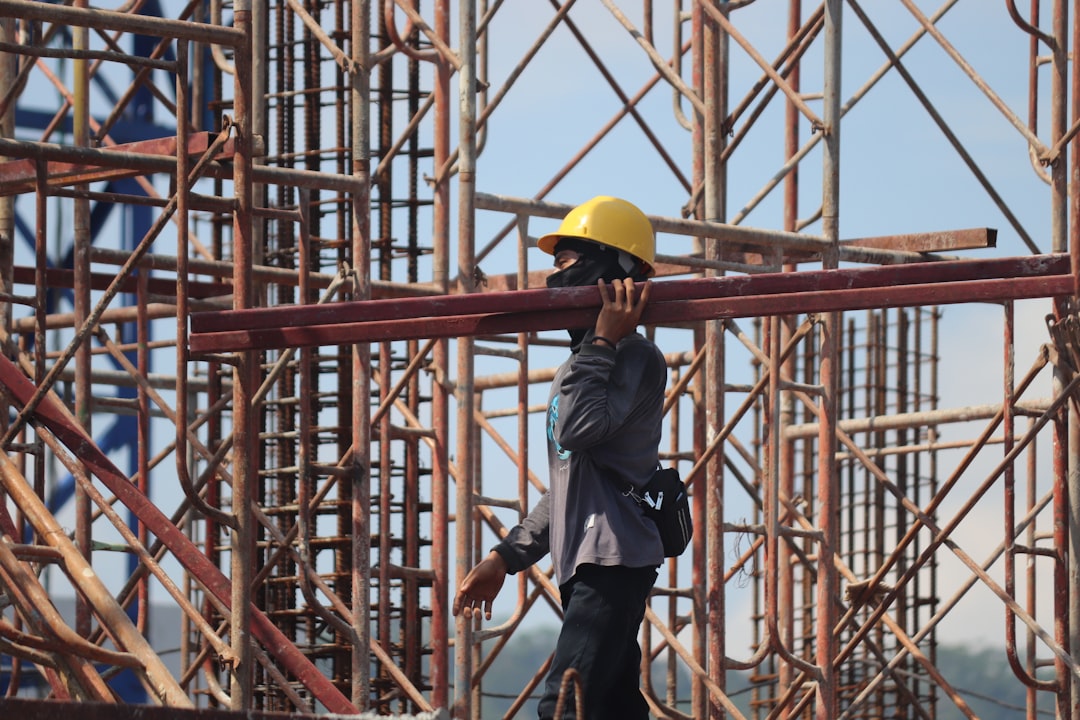
Recruit African Workers Construction Implementation Timeline
The timeline to recruit African workers construction typically spans 8‑12 weeks. Phase one (weeks 1‑2) involves needs assessment and agency contract signing. Phase two (weeks 3‑4) includes candidate sourcing and initial interviews. Phase three (weeks 5‑6) covers document collection, attestation, and visa application. Phase four (weeks 7‑8) involves visa stamping and pre‑departure training. Phase five (weeks 9‑10) is travel and arrival processing. Phase six (weeks 11‑12) is Iqama issuance and work start.
However, certain factors can accelerate or delay the process. For instance, pre‑approved block visas reduce embassy processing time by two weeks. Conversely, peak recruitment seasons (September‑November) cause backlogs. Therefore, employers should apply early. Furthermore, having a dedicated liaison officer at the Saudi embassy shortens communication.
To ensure on‑time deployment, set weekly milestones with your recruitment agency. Also, prepare accommodation and work equipment before workers arrive. Additionally, schedule training during the first week. By mapping out this timeline, employers can recruit African workers construction without project delays.
Common Challenges and Solutions
Even with careful planning, challenges arise. A common problem is document rejection due to incomplete attestation. Solution: use a third‑party verification service. Another issue is high turnover in the first month due to culture shock. Solution: implement a 30‑day integration program with mentors. Additionally, wage disputes can occur if pay is not clearly defined. Solution: provide payslips in both languages and conduct monthly town halls.
Other challenges include:
- Language barriers: hire bilingual supervisors
- Housing complaints: conduct surprise inspections and fix issues promptly
- Medical emergencies: provide 24/7 clinic access and insurance hotline
- Workplace accidents: enforce ILO safety standards with weekly drills
- Legal changes: subscribe to Saudi labor law updates
Moreover, workers sometimes feel isolated. Organize community events and allow calls home. Furthermore, ensure that grievance mechanisms are confidential and effective. By proactively addressing these challenges, employers can maintain a stable workforce. Finally, schedule consultation appointment for personalized advice.
Expert Recommendations for Success
Industry experts emphasize three pillars for successful African worker recruitment. First, invest in pre‑departure training that covers Saudi laws, culture, and job expectations. Second, build strong relationships with government bodies in both Saudi Arabia and source countries. Third, prioritize worker welfare to boost productivity and loyalty. These pillars reduce legal risks and enhance reputation.
Additionally, consider using technology to track attendance, training, and payroll. Mobile‑based HR systems allow workers to access their data easily. Furthermore, conduct quarterly satisfaction surveys. This data helps refine processes. Also, benchmark wages against market rates to remain competitive.
Finally, partner with a consultancy that understands both GCC and African talent markets. Allianze HR offers end‑to‑end services, from licensing to post‑arrival support. Our team monitors regulatory changes and ensures compliance. Therefore, contact our HR specialists to start your recruitment journey today.
Frequently Asked Questions About Recruit African Workers Construction
What is the process for recruit African workers construction?
The process typically takes 8‑12 weeks depending on country requirements. Furthermore, documentation preparation affects processing speed. Therefore, consult our specialists for accurate timelines.
What documentation is required for African worker recruitment?
Required documents include employment contracts, visa applications, medical certificates, and educational credentials. Additionally, country‑specific requirements vary. Moreover, attestation procedures apply for all documents.
What are typical costs for African worker hiring services?
Costs vary by position level, country, and volume. Furthermore, visa fees, medical screening, and documentation affect total investment. Therefore, request detailed quotations for accuracy.
How does Allianze HR ensure legal compliance?
We maintain Ministry‑approved RA license status under The Emigration Act, 1983. Additionally, our team monitors GCC labor law changes continuously. Moreover, we conduct thorough documentation verification at every stage.
Which GCC countries does Allianze HR serve?
We serve UAE, Saudi Arabia, Qatar, Kuwait, Bahrain, and Oman. Furthermore, our talent network spans India, Nepal, Bangladesh, Pakistan, Sri Lanka, and the Philippines.
What sectors does Allianze specialize in?
Our expertise covers construction, hospitality, healthcare, facilities management, manufacturing, oil and gas, and technical services. Additionally, we handle both skilled and semi‑skilled recruitment.
Partner with Allianze HR for African Workforce Success
Recruiting African workers for Saudi construction requires careful planning, legal knowledge, and cultural sensitivity. This guide has outlined visa procedures, wage regulations, housing requirements, and integration strategies. By following these steps, employers can build a reliable workforce that supports the Kingdom’s post‑war reconstruction. The key is to recruit African workers construction with integrity and efficiency.
Allianze HR Consultancy offers end‑to‑end recruitment solutions. We handle licensing, sourcing, documentation, and post‑arrival support. Our RA license guarantees compliance with Indian emigration laws, a crucial factor when sourcing African talent through Indian agencies. Moreover, we provide ongoing advisory to adapt to changing regulations. With over 10,000 placements and 5 years of GCC experience, we are your trusted partner.
Do not let talent shortages delay your projects. Contact our recruitment specialists today. Alternatively, schedule a free consultation appointment to discuss your specific needs. Let us help you build Saudi Arabia’s future.