


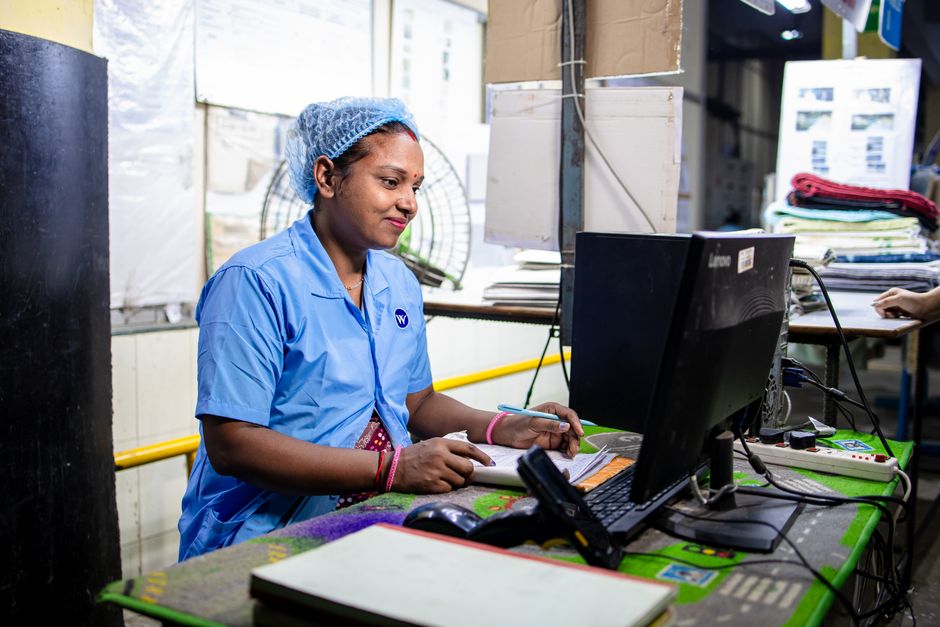
European industrial firms are shifting production to Qatar, seeking cost‑efficient semi‑skilled labour outside China. Consequently, the demand for Bangladeshi workers in Qatari factories has surged. This guide explains how European Manufacturers Hire Bangladeshi talent for 2026 facilities, covering recruitment strategy, visa procedures, and compliance with Qatar labour laws. Moreover, it ties to the broader trend of European companies diversifying supply chains away from China.
Qatar’s manufacturing sector is expanding rapidly, especially in petrochemicals, construction materials, and food processing. Furthermore, European firms value Bangladesh’s large, English‑capable workforce, competitive wage rates, and strong worker ethics. Also, Bangladeshi labour exports to the Gulf Cooperation Council (GCC) remain a well‑established pipeline, supported by bilateral agreements and reliable recruitment channels.
At Allianze HR Consultancy, we’ve successfully placed 10,000+ professionals across UAE, Saudi Arabia, Qatar, and Kuwait. Furthermore, our 5+ years of GCC expertise supports clients from 50+ countries. Moreover, our Ministry of External Affairs (India) RA license ensures compliance. Therefore, contact our recruitment specialists for expert guidance.
Understanding GCC Semi‑Skilled Workforce Requirements
Gulf nations, particularly Qatar, need semi‑skilled workers in manufacturing, assembly, and quality control. European employers typically look for candidates with basic technical training, safety awareness, and a willingness to learn. Specifically, positions include machine operators, welders, packers, and maintenance helpers.
Key requirements for semi‑skilled roles in Qatar include:
- Valid passport and clean criminal record
- Basic vocational certification or minimum two years’ experience
- Medical fitness clearance from an approved centre
- Age between 22 and 45 years
- Willingness to work shifts and overtime
Additionally, many European firms prefer candidates who have previously worked in the GCC, as they adapt quickly to the climate and workplace culture. Also, language skills—especially basic English—are increasingly valued. Besides, Qatari labour law mandates specific protections for workers, including accommodation, transport, and health insurance. Therefore, employers must plan for these costs from the outset.
Notably, the shift from China to Qatar is driven by geopolitical factors and regional investment incentives. Thus, European manufacturers are redesigning their global workforce map, with Bangladesh emerging as a primary source for semi‑skilled labour.
European Manufacturers Hire Bangladeshi Strategic Overview
Adopting a strategic approach to sourcing workers from Bangladesh offers European manufacturers clear advantages. First, cost savings are substantial compared to hiring from China or Eastern Europe. Second, the candidate pool is deep and growing. Third, Bangladeshi workers have a strong reputation for reliability and productivity in GCC environments.
Strategic benefits include:
- Lower wage expectations without sacrificing quality
- Government‑backed emigration procedures ensuring worker protection
- Established training infrastructure in Bangladesh for semi‑skilled trades
- Cultural compatibility with Qatari workplace norms
- Opportunity to build long‑term recruitment partnerships
Furthermore, many European firms use a “hub‑and‑spoke” model, where a single recruitment agency manages all hiring from Bangladesh. This streamlines communication and compliance. Consequently, timelines shorten and error rates drop. Also, the Bangladesh Ministry of Expatriates’ Welfare publishes authorised recruiting agents, reducing the risk of fraud.
Nevertheless, strategic planning must include contingency for visa delays or policy changes. Therefore, working with experienced GCC recruitment consultants is essential.
Legal Framework and Compliance Standards
Every recruitment activity for Qatari factories must comply with international and local labour standards. European manufacturers bear responsibility for ensuring ethical hiring and fair treatment. Key compliance areas include:
- Qatar Labour Law (Law No. 14 of 2004, as amended)
- International Labour Organization core conventions
- Wages Protection System (WPS) in Qatar
- Contract attestation by Qatar’s Ministry of Labour
- Medical insurance and accommodation requirements
Additionally, the ILO international labour standards provide a baseline for worker rights. Also, the U.S. Commerce Department labor rights guidance is helpful for multinational firms. Meanwhile, the UAE visa and immigration services and Saudi Ministry of Human Resources offer comparative frameworks. Furthermore, the World Bank labor market analysis provides data on migration trends.
European firms must also consider the European Union’s due diligence guidelines on supply chain labour practices. Hence, recruiting through a licensed agency with proven compliance history is a sound risk‑mitigation strategy.
European Manufacturers Hire Bangladeshi Best Practices
To maximise success, employers should adopt proven best practices for recruitment from Bangladesh. These methods reduce turnover, accelerate onboarding, and maintain legal compliance.
Best practices include:
- Partner only with agencies holding a valid RA license from India (if using Indian‑based recruiters) or Bangladesh Bureau of Manpower, Employment and Training (BMET) clearance
- Conduct pre‑selection interviews via video to assess technical and language skills
- Prepare detailed job descriptions in English and Bengali
- Arrange pre‑departure orientation covering Qatari culture, labour rights, and safety
- Ensure employment contracts are bilingual and attested before departure
Additionally, many firms set up a dedicated onboarding team in Qatar to receive workers at the airport and process residence permits. Moreover, providing a point of contact for workers during the first month reduces anxiety and early attrition.
Furthermore, European manufacturers should consider using a managed payroll service that complies with Qatari labour law, including timely salary transfers through WPS. This practice builds trust and avoids legal penalties.
Documentation and Processing Steps
The documentation process for hiring Bangladeshi workers for Qatar factories involves several stages. Each stage requires careful coordination between the employer, the recruitment agency, and government authorities.
Key steps include:
- Employer submits a visa application to Qatar’s Ministry of Labour
- Once approved, the visa is sent to Bangladesh via the recruitment agency
- Candidate undergoes medical examination at an approved centre in Dhaka
- Candidate signs employment contract and provides biometrics
- Recruitment agency files emigration clearance with BMET
- Worker travels to Qatar and completes residence permit process
Moreover, all documents—passport, visa, contract, medical certificate, educational credentials—must be attested by the Bangladesh Ministry of Foreign Affairs and the Qatar Embassy in Dhaka. Additionally, translation into Arabic may be required for some documents.
For detailed templates and checklists, explore our professional recruitment resources. These tools help employers avoid common documentation errors that delay processing.
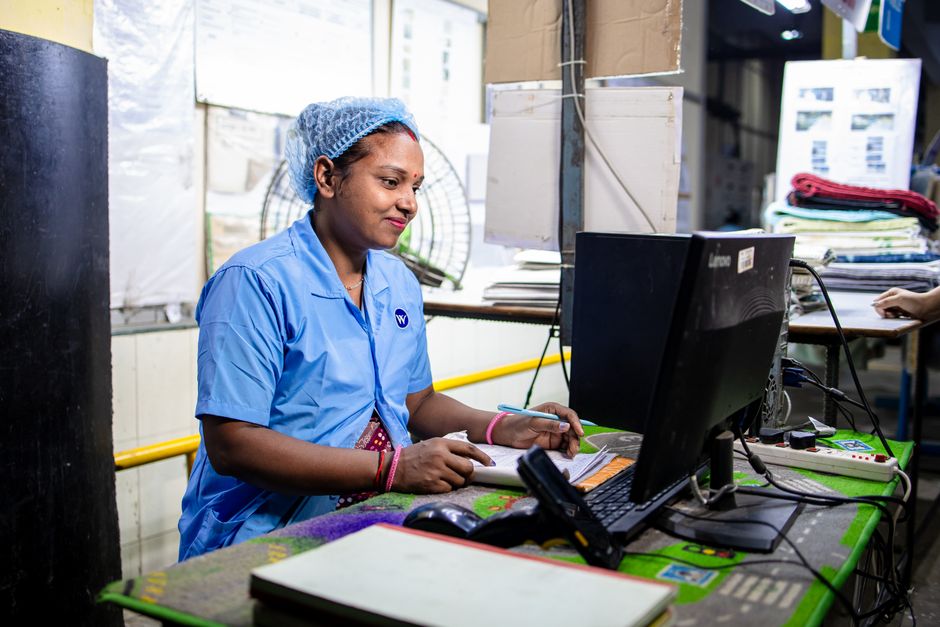
European Manufacturers Hire Bangladeshi Implementation Timeline
A realistic implementation timeline for hiring Bangladeshi semi‑skilled workers for Qatari factories spans 4‑8 weeks, assuming all documentation is in order. Delays often occur during visa approval or medical clearance.
Typical milestones:
- Week 1: Visa application submission and pre‑selection
- Week 2: Medical tests and document collection
- Week 3: Contract signing and emigration clearance
- Week 4: Travel arrangements and arrival in Qatar
- Week 5‑6: Residence permit, health card, and bank account setup
- Week 7‑8: Full integration and start of work
Furthermore, employers should allocate buffer time for peak recruitment seasons, when government processing may slow. Also, using a digital document management system can shorten the collection phase by several days. Meanwhile, some companies pre‑approve candidates before visa submission to eliminate back‑and‑forth.
Notably, the timeline may extend if workers require additional vocational training before departure. However, many Bangladeshi candidates already possess basic certifications, so training needs are minimal for semi‑skilled roles.
Common Challenges and Solutions
European employers face several challenges when recruiting Bangladeshi workers for Qatar factories. Identifying these obstacles early allows for proactive mitigation.
Frequent challenges and their solutions:
- Language barriers: Provide basic English training during pre‑departure; employ bilingual supervisors on site
- Cultural shock: Offer a buddy system and orientation on Qatari customs
- Visa delays: Work with agencies that have direct liaison with Qatar’s Ministry of Labour
- Worker turnover: Implement transparent wages and clear career progression paths
- Document fraud: Verify credentials through BMET or third‑party background checks
Additionally, some workers may expect unrealistic wages due to misinformation from unlicensed agents. Therefore, employers should communicate accurate salary ranges early in the process. Moreover, providing on‑site amenities such as prayer rooms, halal food, and recreation areas improves retention.
Legal disputes can be minimised by ensuring that contracts clearly state working hours, overtime rates, and leave entitlements. Also, maintaining an open‑door policy for grievances builds trust and reduces arbitration cases.
Expert Recommendations for Success
To achieve a smooth and cost‑effective recruitment process, European manufacturers should follow expert recommendations grounded in years of GCC experience.
Top recommendations include:
- Use a single point of contact for all recruitment activities to ensure consistency
- Invest in pre‑departure training to reduce ramp‑up time in Qatar
- Monitor compliance with ILO standards and Qatari labour law continuously
- Build a multi‑source pipeline, including Bangladesh, India, and Nepal, for resilience
- Leverage technology for document management, payroll, and worker communications
Furthermore, consider appointing a dedicated welfare officer on site to handle worker integration and complaints. This role directly improves productivity and reduces legal risks. Also, regularly benchmark salaries against market rates to remain competitive.
For tailored advice, schedule consultation appointment with our GCC recruitment experts. We guide European firms through every stage, from planning to deployment.
Frequently Asked Questions About European Manufacturers Hire Bangladeshi
What is the process for European Manufacturers Hire Bangladeshi?
The process typically takes 4‑8 weeks depending on country requirements. Furthermore, documentation preparation affects processing speed. Therefore, consult our specialists for accurate timelines.
What documentation is required for semi‑skilled recruitment from Bangladesh?
Required documents include employment contracts, visa applications, medical certificates, and educational credentials. Additionally, country‑specific requirements vary. Moreover, attestation procedures apply for all documents.
What are typical costs for Bangladeshi worker hiring services?
Costs vary by position level, country, and volume. Furthermore, visa fees, medical screening, and documentation affect total investment. Therefore, request detailed quotations for accuracy.
How does Allianze HR ensure legal compliance?
We maintain Ministry‑approved RA license status under The Emigration Act, 1983. Additionally, our team monitors GCC labour law changes continuously. Moreover, we conduct thorough documentation verification at every stage.
Which GCC countries does Allianze HR serve?
We serve UAE, Saudi Arabia, Qatar, Kuwait, Bahrain, and Oman. Furthermore, our talent network spans India, Nepal, Bangladesh, Pakistan, Sri Lanka, and the Philippines.
What sectors does Allianze specialize in?
Our expertise covers construction, hospitality, healthcare, facilities management, manufacturing, oil and gas, and technical services. Additionally, we handle both skilled and semi‑skilled recruitment.
Partner with Allianze HR for Seamless Recruitment Success
For European Manufacturers Hire Bangladeshi workers for Qatar factories 2026, a strategic partnership is essential. Navigating visa processes, compliance, and cultural integration requires a trusted advisor with deep GCC knowledge. Allianze HR Consultancy offers end‑to‑end support—from sourcing and documentation to worker welfare—ensuring your hiring is efficient and fully compliant.
We bring over five years of GCC expertise, a Ministry‑approved RA license, and a track record of placing thousands of professionals. Moreover, we continuously update our processes to reflect the latest Qatari labour law amendments and international standards. Thus, you can focus on production while we handle recruitment complexities.
Contact our team today to discuss your workforce needs. Reach out to our HR specialists or schedule a free consultation. Let us help you build a productive and compliant workforce for your Qatar operations.