


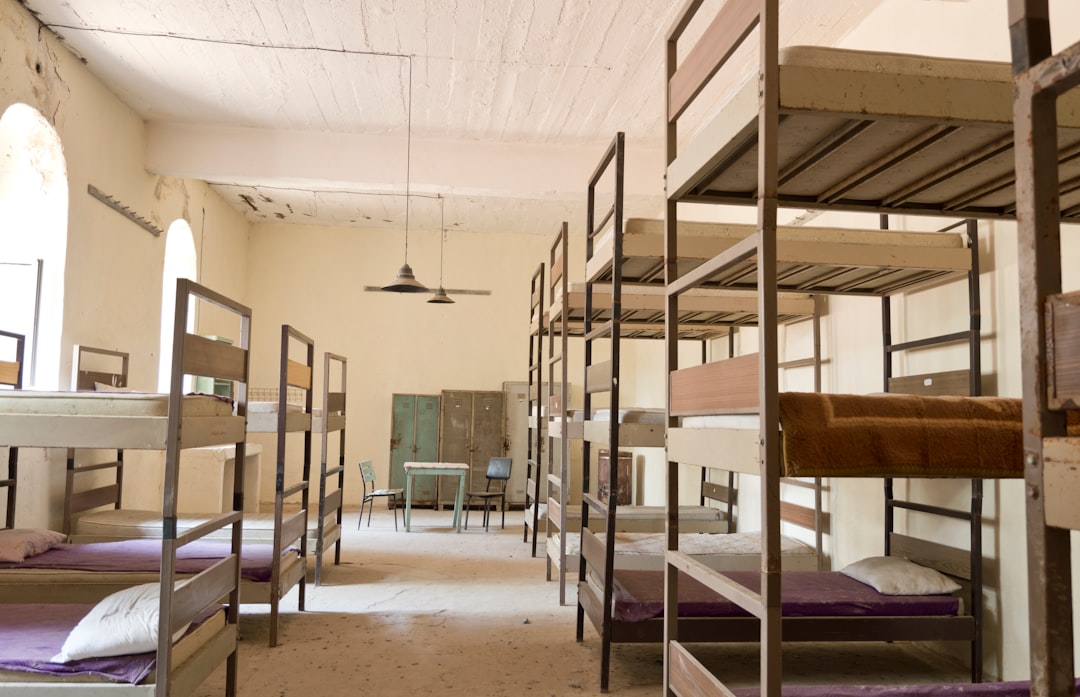
What is the most significant operational expense for a large-scale project in the Gulf? For employers managing a 500-worker camp, the answer is clear. Accommodation costs represent a major monthly financial commitment. Furthermore, these expenses directly impact project profitability and worker welfare compliance. Therefore, strategic planning for housing is not optional. It is a critical business imperative. This guide provides a comprehensive analysis of managing accommodation costs monthly 500-worker camp operations effectively.
GCC nations enforce strict standards for worker housing. These regulations cover space, facilities, and living conditions. Consequently, employers must balance cost control with legal compliance. Additionally, the choice between renting and owning camp facilities carries long-term implications. Moreover, maintenance budgets require careful forecasting. Understanding these elements ensures sustainable project execution. It also protects your company’s reputation and worker productivity.
At Allianze HR Consultancy, we’ve successfully placed 10,000+ professionals across UAE, Saudi Arabia, Qatar, and Kuwait. Furthermore, our 5+ years of GCC expertise supports clients from 50+ countries. Moreover, our Ministry of External Affairs (India) RA license ensures compliance. Therefore, contact our recruitment specialists for expert guidance on workforce housing and deployment strategies.
Understanding GCC Worker Housing Regulations
GCC countries mandate specific accommodation standards. These laws protect worker health and safety. For example, Saudi Arabia’s Ministry of Human Resources sets clear guidelines. Similarly, Qatar’s Ministry of Labour issues worker welfare standards. Consequently, non-compliance results in heavy fines. It can also lead to project stoppages.
Regulations typically specify minimum living space per person. They also require adequate sanitation facilities. Furthermore, kitchens and recreational areas are often mandatory. Therefore, planning must start with legal requirements. This ensures your camp design meets all local codes. Additionally, regular inspections by authorities are common.
- Minimum square footage per worker (often 4-6 sq. meters).
- Mandatory provisions for clean water and electricity.
- Requirements for medical facilities or first-aid access.
- Standards for ventilation, lighting, and temperature control.
- Specifications for dining halls and food storage areas.
- Guidelines for fire safety and emergency evacuation plans.
Partnering with a knowledgeable consultant is essential. They navigate this complex regulatory landscape. Moreover, they help integrate housing costs into your overall manpower budget. This prevents unexpected expenses and legal issues.
Accommodation Costs Monthly 500-Worker Camp Strategic Overview
Managing accommodation costs monthly 500-worker camp requires a holistic view. First, you must identify all cost components. These go beyond simple rent or mortgage payments. Utilities, security, and upkeep add significant amounts. Furthermore, location dramatically influences pricing. Camps near urban centers cost more than remote sites.
Therefore, creating a detailed monthly expense model is crucial. This model should project costs over the project’s entire lifespan. Additionally, consider seasonal variations. For instance, summer cooling costs in the Gulf are substantial. Consequently, your budget must account for peak utility usage. Moreover, factor in potential regulatory changes. GCC governments frequently update welfare standards.
- Primary Housing: Lease payments or facility financing costs.
- Utilities: Electricity, water, sewage, and waste management.
- Services: Security, cleaning, and camp management staff.
- Maintenance: Repairs, pest control, and appliance servicing.
- Amenities: Internet, TV, recreational equipment, and transport.
- Contingency: A buffer for unexpected repairs or price hikes.
A strategic overview aligns housing with recruitment plans. It ensures you can support your workforce sustainably. For more insights, explore our professional recruitment resources.
Legal Framework and Compliance Standards
Compliance forms the foundation of camp management. GCC labor laws are explicit about employer responsibilities. The International Labour Organization standards provide a global benchmark. Meanwhile, local ministries enforce region-specific rules. Consequently, your camp must satisfy both international and local requirements.
Documentation is a key part of compliance. You must maintain records of inspections and maintenance. Additionally, worker accommodation contracts need careful drafting. They should outline living conditions and cost responsibilities. Moreover, health and safety certifications are often mandatory. Therefore, establish a robust documentation system from day one.
Authorities like the Saudi Ministry of Labor conduct surprise visits. They check for overcrowding and hygiene issues. Furthermore, the UAE visa and immigration services link proper housing to visa issuance. Non-compliant camps risk worker visa rejections. Hence, compliance directly affects your ability to staff projects.
Engaging a specialist ensures you stay updated on law changes. They interpret new decrees and implement necessary adjustments. This proactive approach avoids penalties and operational disruptions.
Accommodation Costs Monthly 500-Worker Camp Best Practices
Implementing best practices optimizes your accommodation costs monthly 500-worker camp budget. First, conduct a thorough needs assessment. How long will the camp be operational? What is the exact worker composition? Answering these questions guides the rental versus ownership decision. Furthermore, it determines the required facility size and amenities.
Next, prioritize energy and water efficiency. Installing LED lighting and water-saving fixtures reduces utility bills. Additionally, consider solar water heating where feasible. Moreover, smart meters help monitor consumption and identify waste. Consequently, efficiency investments often have rapid payback periods.
- Centralize procurement for furniture and supplies to leverage bulk discounts.
- Implement a preventive maintenance schedule to avoid costly emergency repairs.
- Use technology for camp management, like digital complaint portals.
- Negotiate long-term contracts with utility and service providers for better rates.
- Regularly benchmark your costs against industry averages in the GCC.
- Engage workers in maintaining cleanliness to reduce service costs.
Finally, foster a community atmosphere. Well-maintained housing improves worker morale and retention. This reduces turnover and associated recruitment costs. Therefore, view accommodation as an investment in human capital, not just an expense.
Documentation and Financial Processing Steps
Accurate documentation controls costs and ensures accountability. First, establish a clear chart of accounts for all camp expenses. This separates housing costs from other project expenditures. Furthermore, it simplifies financial reporting and auditing. Additionally, require detailed invoices from all vendors and landlords.
Implement a multi-layer approval process for significant expenditures. For example, major repairs should require manager sign-off. Moreover, use digital tools to track purchase orders and payments. This creates an audit trail and prevents fraud. Consequently, financial controls are as important as cost negotiation.
Regular financial reviews are essential. Compare actual monthly spending to your budget forecasts. Identify variances and investigate the causes. Furthermore, analyze utility bills for unusual spikes in consumption. Additionally, review service contracts annually before renewal. This ensures you continue to receive competitive pricing.
Proper documentation also supports compliance. Maintain logs of all maintenance activities and safety drills. Keep inspection reports from government authorities on file. Moreover, store copies of all worker housing agreements. This organized approach is invaluable during official audits or disputes.
Accommodation Costs Monthly 500-Worker Camp Implementation Timeline
Executing a successful camp housing strategy requires careful phasing. The timeline for managing accommodation costs monthly 500-worker camp begins long before workers arrive. Month 1 involves feasibility studies and site selection. Furthermore, you must decide on the rental or ownership model. Meanwhile, engage with architects and contractors for any modifications.
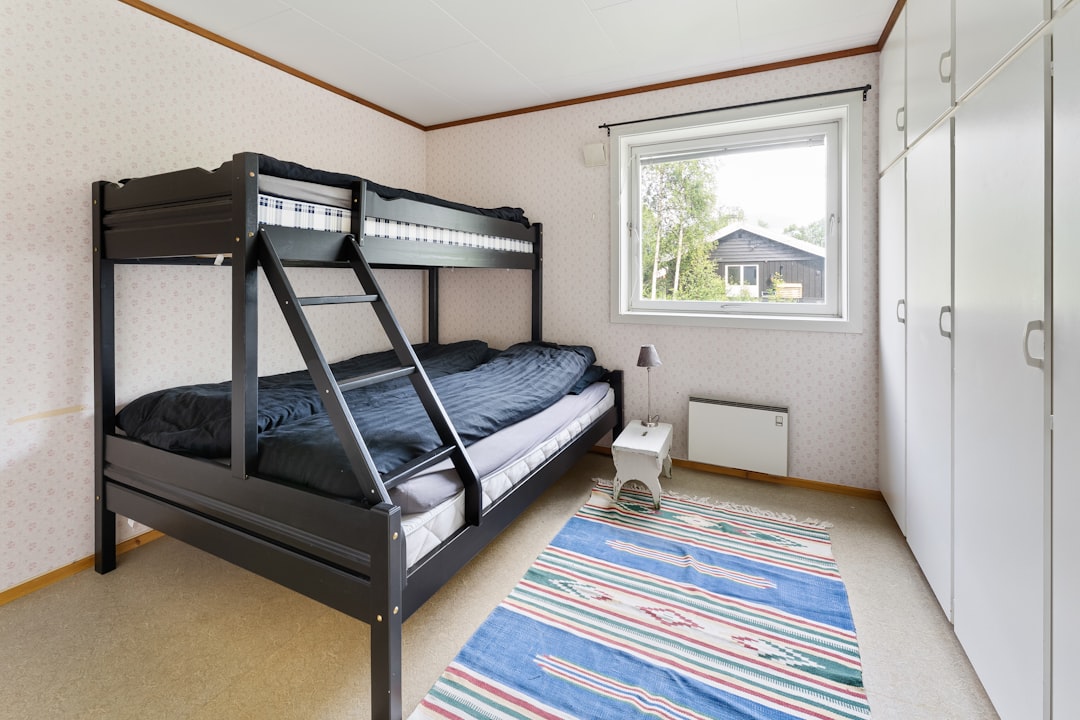
Months 2-3 focus on setup and compliance certification. This includes installing beds, utilities, and safety equipment. Additionally, you must obtain all necessary government approvals for the facility. Moreover, hire and train camp management staff during this phase. Consequently, the camp is fully operational and inspected before occupancy.
- Pre-Project (Months 1-2): Needs analysis, financial modeling, and model selection.
- Setup Phase (Months 2-4): Facility preparation, procurement, and staff hiring.
- Operational Launch (Month 5): Worker move-in, process initiation, and monitoring.
- Ongoing Management (Months 6+): Monthly budget reviews, maintenance, and audits.
- Review & Optimization (Quarterly): Cost analysis, contract renegotiation, and upgrades.
A structured timeline prevents rushed decisions that increase costs. It allows for competitive bidding on services. Moreover, it ensures compliance is baked into the process from the start. To begin planning, schedule a consultation appointment with our experts.
Common Challenges and Proactive Solutions
Employers face several predictable challenges with large camps. First, utility cost overruns are frequent. Gulf summers drastically increase air conditioning expenses. Solution: Invest in high-efficiency AC units and proper insulation. Furthermore, implement usage policies and educate workers on conservation.
Second, maintenance can become reactive and costly. Solution: Adopt a preventive maintenance program. Schedule regular checks for plumbing, electrical systems, and appliances. Additionally, build a strong relationship with reliable service contractors. Moreover, keep an inventory of common spare parts to reduce downtime.
Third, regulatory changes can introduce unexpected costs. New welfare standards may require facility upgrades. Solution: Stay informed through industry networks and legal advisors. Furthermore, include a compliance contingency in your annual budget. The World Bank labor market analysis often highlights regulatory trends.
Finally, worker turnover affects housing logistics. Solution: Integrate your housing management with your HR and recruitment cycles. Coordinate move-in and move-out procedures smoothly. This maximizes occupancy rates and minimizes vacant bed costs.
Expert Recommendations for Sustainable Housing
For long-term success, go beyond basic compliance. First, view worker accommodation as a strategic asset. Good housing improves productivity and reduces absenteeism. Furthermore, it enhances your employer brand, aiding recruitment. Therefore, allocate budget for community areas like prayer rooms and sports facilities.
Second, leverage technology for management. Use IoT sensors to monitor energy and water use. Additionally, implement a digital work order system for maintenance requests. Moreover, use software for tracking inventory and managing vendor contracts. Consequently, technology increases efficiency and provides valuable data.
Third, consider environmental sustainability. The GCC is increasingly focused on green initiatives. Consult the UAE green building regulations for guidance. Implementing sustainable practices can reduce operating costs. It also aligns your project with regional development goals.
Finally, partner with experts. The complexities of GCC labor law, facility management, and recruitment are interconnected. A partner like Allianze HR provides integrated solutions. We ensure your housing strategy supports your overall workforce deployment plan seamlessly.
Frequently Asked Questions About Accommodation Costs Monthly 500-Worker Camp
What is the typical cost range for accommodation costs monthly 500-worker camp?
Monthly costs vary widely by GCC location and standards. They typically range from $50,000 to $150,000+. This includes rent, utilities, maintenance, and services. Furthermore, urban locations and higher amenities increase expenses. Therefore, detailed location-specific budgeting is essential.
When is it better to own rather than rent worker camp facilities?
Ownership is preferable for long-term projects exceeding 5-7 years. It provides asset control and potential appreciation. Conversely, rental offers flexibility for shorter-term projects. Additionally, rental transfers maintenance burdens to the landlord. Therefore, a detailed financial analysis comparing both models is crucial.
How can we reduce utility expenses in worker housing?
Invest in energy-efficient appliances and building retrofits. Furthermore, install sub-meters to monitor usage by block. Additionally, conduct worker awareness programs on conservation. Moreover, negotiate bulk utility rates if possible. These steps significantly lower monthly electricity and water bills.
What are the key compliance risks in GCC worker camps?
Major risks include overcrowding, inadequate sanitation, and poor safety standards. Furthermore, lacking proper documentation is a common issue. These risks lead to heavy fines, project delays, and visa blocks. Regular self-audits against ILO safety standards and local laws mitigate these risks.
How does Allianze HR assist with accommodation planning?
We integrate housing strategy with workforce deployment. Our services include vendor vetting, compliance checks, and budget modeling. Moreover, we connect clients with trusted facility management partners. Therefore, we provide an end-to-end solution for worker welfare and accommodation logistics.
Should maintenance budgets be fixed or variable?
A hybrid approach is best. Allocate a fixed monthly amount for routine preventive maintenance. Additionally, maintain a separate variable contingency fund (3-5% of annual costs) for major repairs. This structure provides predictability while covering unexpected issues. Furthermore, it ensures the camp remains in good condition year-round.
Partner with Allianze HR for Workforce Housing Success
Managing accommodation costs monthly 500-worker camp is a complex, multi-faceted challenge. It requires balancing financial control with regulatory compliance and worker wellbeing. Furthermore, the decision between renting and owning has profound long-term impacts. Therefore, a strategic, data-driven approach is non-negotiable for project success in the GCC.
This guide has outlined the critical components: from understanding legal frameworks to implementing best practices. Moreover, proactive maintenance budgeting and timeline planning prevent cost overruns. Additionally, leveraging technology and sustainable practices drives efficiency. Consequently, your worker accommodation can become a competitive advantage rather than a liability.
Allianze HR Consultancy offers end-to-end support for your workforce needs. We combine recruitment expertise with practical knowledge of GCC housing logistics. Our team ensures your accommodation strategy aligns seamlessly with your manpower plan. Furthermore, we help you navigate local regulations to avoid costly penalties. Let us help you optimize this critical aspect of your operation.
Ready to develop a cost-effective, compliant housing solution for your project? Contact our HR specialists today for a detailed consultation. We will analyze your specific requirements and provide a tailored strategy to manage your camp accommodation efficiently and effectively.