


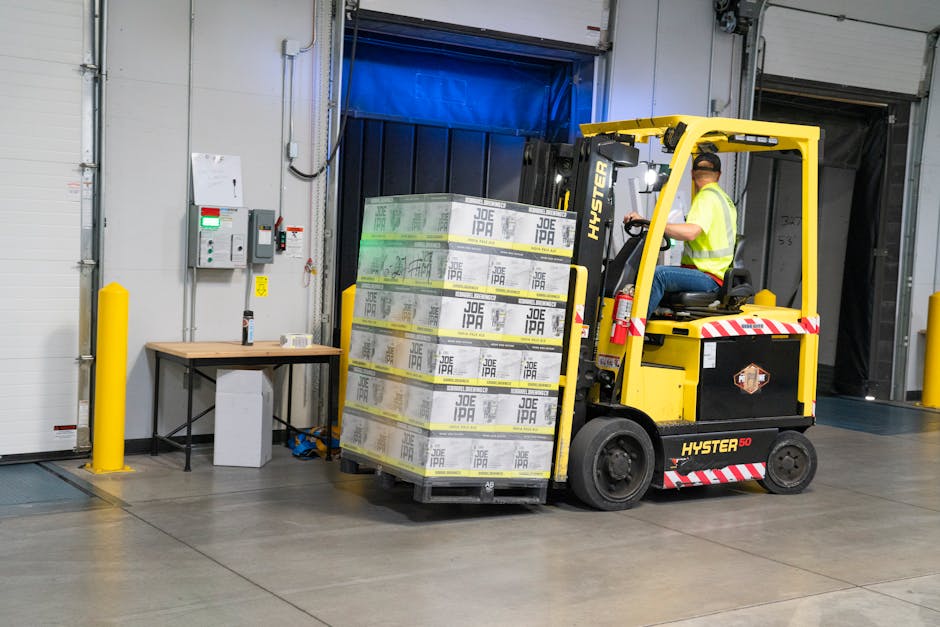
Case study: deploying 50
Large-scale international workforce deployment presents unique logistical challenges. This case study examines a recent project involving the mobilization of fifty skilled forklift operators to a major industrial complex in Saudi Arabia. The initiative required meticulous planning across multiple domains. However, the primary objective was to ensure operational readiness upon arrival. Additionally, the project timeline was aggressive, demanding efficient execution. Furthermore, cultural and regulatory compliance was a critical success factor. This article details the comprehensive strategy for Case study: deploying 50 forklift operators. It explores the end-to-end process from recruitment to full integration. The goal is to provide a replicable framework for similar international staffing endeavors.
Understanding Case study: deploying 50
International personnel deployment is more than just hiring and sending workers abroad. It is a complex, multi-stage project. Therefore, a deep understanding of the host country’s environment is essential. This particular case involved a rapid expansion of logistics operations in the Eastern Province. The client needed fifty certified and experienced forklift operators. Moreover, they required these professionals to be mobilized within a strict eight-week window. This timeline included sourcing, vetting, onboarding, and travel logistics. Understanding these initial constraints shaped the entire deployment strategy from the outset.
Case study: deploying 50 Benefits
Executing a large-scale deployment correctly yields significant advantages. The primary benefit is the rapid scaling of operational capacity without long-term overhead. For the client, this meant immediately supporting a new warehouse facility. Additionally, a well-managed deployment enhances safety and compliance from day one. This reduces the risk of accidents and associated downtime. Furthermore, it builds a foundation for a stable and productive workforce. This can lead to improved morale and lower turnover. Consequently, the initial investment in a structured deployment process pays long-term dividends in reliability and efficiency.
How Case study: deploying 50 Works
The deployment process for this project was broken into distinct phases. First, a rigorous recruitment campaign was launched across targeted regions. This ensured a large pool of qualified candidates. Next, a multi-stage vetting process verified skills, experience, and documentation. Specifically, this included practical forklift competency tests and background checks. Subsequently, the selected candidates entered the pre-deployment phase. This involved medical examinations, visa processing, and contract signing. Finally, travel logistics and on-ground orientation were coordinated. This phased approach ensured each step was completed thoroughly before proceeding to the next.
Best Case study: deploying 50 Practices
Adhering to proven practices is crucial for deployment success. One best practice is early engagement with local immigration authorities. This helps navigate the often-complex visa and work permit procedures. Another key practice is implementing a comprehensive pre-departure orientation program. This prepares employees for the cultural and professional environment they will enter. Moreover, establishing a clear chain of command and communication for the deploying cohort is vital. For example, appointing a team lead from within the group can facilitate smoother management. These practices collectively mitigate risk and streamline the entire mobilization effort.
Case study: deploying 50 Implementation
The implementation phase is where planning becomes action. For this project, a dedicated project management office was established. This team oversaw every aspect of the deployment. They coordinated with recruitment agencies, travel agents, and the client’s on-site management. Additionally, a digital portal was used to track each candidate’s progress through the pipeline. This provided real-time visibility and allowed for quick issue resolution. Furthermore, a staggered travel schedule was implemented. This prevented overwhelming the reception and onboarding capacity at the destination. Such meticulous implementation ensured a smooth and orderly arrival of all personnel.
Advanced Case study: deploying 50 Strategies
Beyond basic practices, advanced strategies can optimize the deployment further. One strategy is leveraging data analytics from previous deployments to predict and mitigate common hurdles. Another involves creating a “mobile training unit” to provide last-minute skill refreshers. This is especially useful for ensuring compliance with specific client equipment. Moreover, developing partnerships with local housing and transportation providers in the host country secures better terms and conditions. These advanced tactics go a long way in enhancing the overall experience for the deployed employees. They also contribute to higher retention rates and faster productivity.
Case study: deploying 50 Success Tips
Achieving success in a large-scale deployment requires attention to detail. First, always over-communicate with all stakeholders, including the employees being deployed. Uncertainty can lead to anxiety and drop-outs. Next, build a contingency fund and plan for unexpected costs or delays. Travel and immigration are often subject to unforeseen changes. Additionally, prioritize the well-being of the workforce throughout the process. This includes mental health support and clear grievance redressal mechanisms. Finally, conduct a thorough post-deployment review. This captures lessons learned and refines the process for future projects. Following these tips significantly increases the likelihood of a flawless execution.
Future of Case study: deploying 50
The landscape of international workforce mobility is continuously evolving. Future deployments will likely be more digitized. For instance, blockchain technology could be used for secure and verifiable credentialing. Additionally, virtual reality may play a role in pre-deployment site orientation and safety training. Furthermore, changing global regulations, as highlighted by the International Labour Organization guidelines, will shape compliance requirements. An understanding of global economic trends, available through World Bank economic reports, is also becoming integral to strategic workforce planning. Companies must stay agile and informed to succeed in this dynamic environment.
Frequently Asked Questions
What is the most challenging part of deploying 50 forklift operators?
The biggest challenge is synchronizing logistics. This includes visa approvals, medical checks, and travel arrangements for all fifty individuals simultaneously. Any delay in one area can impact the entire project timeline.
How long does a typical deployment of this scale take?
A project of this magnitude typically takes 8 to 12 weeks from initiation to full deployment. The timeline depends on visa processing speeds and the availability of qualified candidates. Sourcing from our professional resources can streamline this.
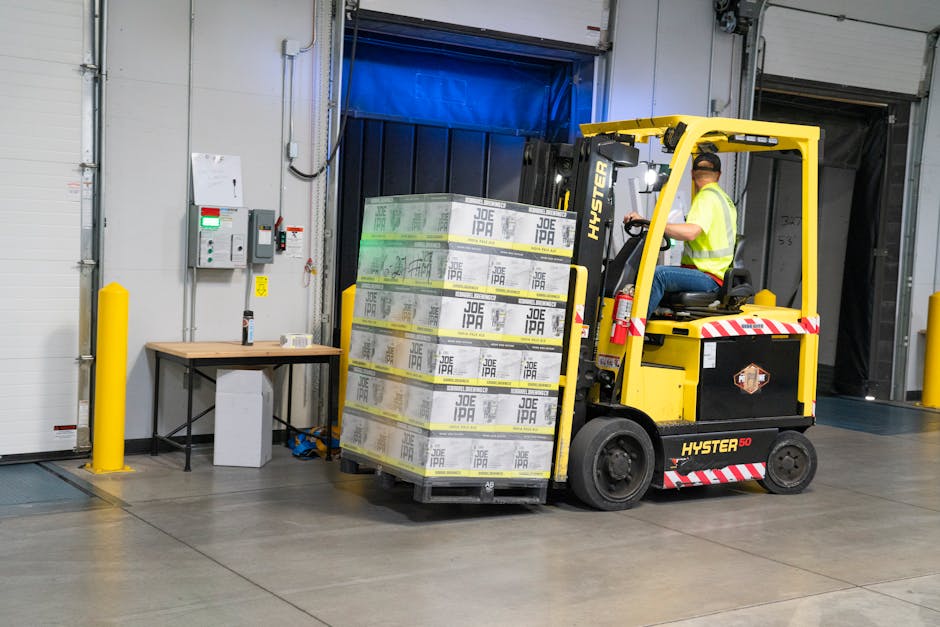
What are the key legal considerations for deploying staff to Saudi Arabia?
Key considerations include securing proper work visas (Iqama), adhering to local labor laws, and ensuring employment contracts are compliant. It’s also vital to understand regional regulations, similar to those found on the UAE government employment regulations portal for reference.
How do you ensure the quality and skill of the deployed operators?
We implement a multi-stage verification process. This includes practical skills assessments, certification checks, and interviews. We also align our health standards with international benchmarks like the World Health Organization workplace standards.
What support is provided to employees after they arrive in the host country?
Comprehensive on-ground support includes airport pickup, accommodation assistance, cultural orientation, and help with opening a local bank account. A dedicated point of contact is provided for any issues during the initial settlement period.
Where can I get expert advice for my company’s deployment project?
For tailored guidance, we recommend seeking an expert consultation. You can also review international trade best practices via the U.S. Department of Commerce trade information site.
Conclusion
The successful Case study: deploying 50 forklift operators to Saudi Arabia demonstrates the value of a structured, meticulous approach. This project underscored the importance of phased planning, robust vetting, and clear communication. Each step, from recruitment to integration, was critical to the overall outcome. The strategies and best practices outlined provide a reliable blueprint for managing similar international mobility projects. As global business continues to expand, the ability to deploy skilled workforces efficiently becomes a key competitive advantage. Are you preparing for a large-scale deployment? Leverage this expertise to ensure your project’s success. We encourage you to schedule appointment with our specialists today to discuss your specific needs.