


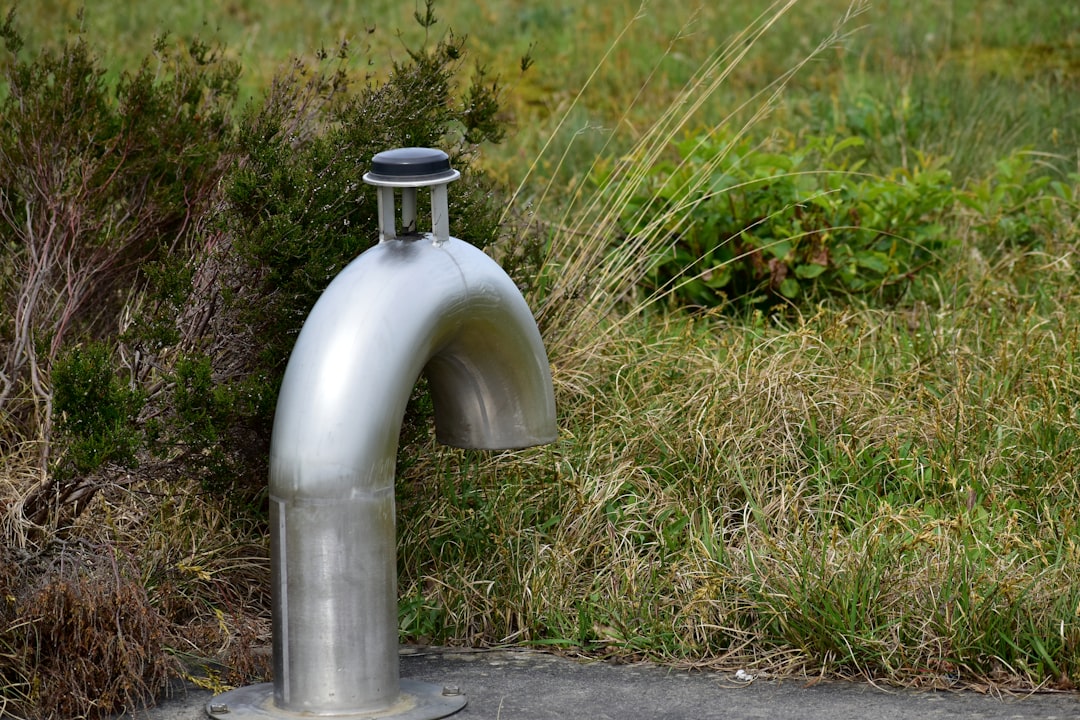
Are your workers adequately hydrated in the demanding GCC climate? Furthermore, proper hydration is not just a welfare issue. It is a critical component of workplace safety, productivity, and legal compliance. Consequently, understanding drinking water stations hydration requirements is essential for every responsible employer. This guide provides a strategic framework for implementation.
The extreme heat in Gulf Cooperation Council countries presents unique challenges. Moreover, industries like construction, facilities management, and logistics face heightened risks. Dehydration leads directly to heat stress, reduced cognitive function, and increased accident rates. Therefore, a proactive hydration strategy protects your workforce and your operational bottom line.
At Allianze HR Consultancy, we’ve successfully placed 10,000+ professionals across UAE, Saudi Arabia, Qatar, and Kuwait. Furthermore, our 5+ years of GCC expertise supports clients from 50+ countries in building compliant, productive work environments. Moreover, our Ministry of External Affairs (India) RA license ensures all our advice aligns with the highest standards. Therefore, contact our recruitment specialists for expert guidance on workforce welfare and compliance.
Understanding GCC Workplace Hydration Fundamentals
Worker hydration in the Gulf is a non-negotiable duty of care. The region’s ambient temperatures frequently exceed 40°C (104°F). Consequently, the risk of heat-related illnesses like heat exhaustion and heatstroke is severe. Additionally, high humidity levels impede the body’s natural cooling through sweat evaporation.
Employers must recognize the signs of dehydration. These include fatigue, dizziness, confusion, and dark-colored urine. Moreover, chronic dehydration can cause kidney stones and urinary tract infections. Therefore, providing accessible water is the first line of defense. It is a fundamental aspect of occupational health and safety protocols.
International standards provide clear guidance. For instance, the International Labour Organization emphasizes the employer’s responsibility for a safe working environment. Furthermore, the World Health Organization outlines the health impacts of extreme heat. Adhering to these principles is crucial for sustainable operations.
- Recognize extreme climate as a permanent hazard.
- Train supervisors to identify dehydration symptoms early.
- Integrate hydration breaks into the work schedule.
- Provide electrolyte solutions for intense labor.
- Monitor weather forecasts and implement extra precautions.
Drinking Water Stations Hydration Strategic Overview
A strategic approach to drinking water stations hydration transforms a basic necessity into a system. This system ensures consistent, reliable access for all personnel. First, conduct a thorough site assessment. Identify all work zones, including remote or temporary areas. Next, calculate the total workforce and their distribution.
The core strategy involves placement, quantity, and quality. Stations must be within a 30-second walk for any worker. Furthermore, they must be visible and never obstructed by materials or equipment. Additionally, consider both permanent installations for fixed sites and mobile solutions for dynamic projects. A hybrid approach often works best.
Quality control is equally strategic. Water must be potable and cool, ideally between 10-15°C (50-59°F). Moreover, regular testing and cooler maintenance are mandatory. Consequently, appoint a dedicated staff member to manage this system. Their duties include refilling, cleaning, and monitoring consumption levels daily.
- Map all high-activity and rest areas on site plans.
- Establish a clear procurement and supply chain for water.
- Implement a digital or manual log for maintenance checks.
- Designate shaded areas near stations for short breaks.
- Budget for equipment, water supply, and personnel time.
Legal Framework and Compliance Standards
GCC countries have specific regulations mandating water access. In the UAE, Ministerial Resolution No. 32 of 2022 on Occupational Safety and Health requires employers to provide cold drinking water. Similarly, Saudi Arabia’s Ministry of Labor regulations and Qatar’s Labor Law have explicit provisions. Non-compliance can result in heavy fines, work stoppages, and reputational damage.
These laws often specify practical details. For example, they may define the required distance to water sources. They also mandate the provision of clean cups or disposable containers. Additionally, regulations frequently require written policies and worker training on heat stress prevention. Therefore, documentation is as important as physical implementation.
Aligning with global best practices strengthens your compliance posture. The OSHA construction industry standards offer detailed hydration guidelines for hot environments. Furthermore, referencing these international benchmarks demonstrates a commitment to world-class worker welfare. It also future-proofs your operations against evolving local laws.
- Consult with local legal counsel on emirate or kingdom-specific rules.
- Maintain inspection-ready records of water quality tests.
- Display safety posters about hydration in relevant languages.
- Include hydration protocols in all employee induction programs.
- Conduct regular internal audits of water station placement and condition.
Drinking Water Stations Hydration Best Practices
Implementing best practices ensures your drinking water stations hydration system is effective and efficient. First, prioritize visibility and accessibility. Use bright colors and clear signage to mark each station. Moreover, ensure pathways are clear and well-lit for night shifts. Accessibility means all workers, including those with disabilities, can use them easily.
Hygiene is a critical best practice. Water coolers and dispensers must be cleaned and sanitized daily to prevent bacterial growth. Furthermore, provide single-use cups or encourage personal bottles with dedicated filling mechanisms. Additionally, establish a strict protocol for reporting and addressing any water quality concerns immediately. This protects worker trust in the system.
Integration with other welfare facilities enhances effectiveness. Place stations near rest areas, shade structures, and toilets. This encourages regular breaks and fluid intake. Furthermore, consider providing electrolyte-replenishment drinks or salt tablets for workers engaged in exceptionally strenuous tasks. However, these should supplement, not replace, fresh water availability.
- Use insulated, durable coolers to maintain water temperature.
- Implement a “buddy system” to encourage peer monitoring for dehydration signs.
- Schedule more frequent hydration breaks during heat waves.
- Label stations with reminders to drink water every 15-20 minutes.
- Involve worker representatives in selecting locations and providing feedback.
Documentation and Processing Steps
Robust documentation formalizes your hydration strategy. Start by creating a written Hydration Management Plan. This document should outline roles, responsibilities, and procedures. Furthermore, it must reference the specific legal requirements of your operating jurisdiction. Consequently, this plan becomes a key compliance document for authorities.
The processing steps for daily management are straightforward but must be consistent. First, the assigned supervisor checks all stations at the start of each shift. They verify water levels, temperature, and cleanliness. Next, they log these checks on a standardized form or digital platform. Moreover, they note any repairs needed and initiate maintenance requests promptly.

Record-keeping extends to consumption tracking. Monitoring how much water is consumed helps forecast needs and identify underused stations. Additionally, maintain files of water quality certificates from your supplier. Furthermore, keep training attendance records for all heat stress prevention sessions. This comprehensive documentation demonstrates due diligence. For more on systematic approaches, explore our professional recruitment resources.
- Develop checklists for opening, mid-shift, and closing inspections.
- Use a digital app for real-time logging and alerting.
- Archive monthly consumption reports for trend analysis.
- Keep supplier contracts and delivery schedules on file.
- Document all corrective actions taken for any identified issues.
Drinking Water Stations Hydration Implementation Timeline
A phased implementation timeline ensures a smooth rollout of your drinking water stations hydration system. Week one focuses on planning and procurement. Conduct the site audit and finalize station locations. Simultaneously, research and order the required coolers, dispensers, and initial water supply. Meanwhile, draft the Hydration Management Plan.
Weeks two and three involve installation and training. Install all permanent stations and deploy mobile units. Furthermore, label each station clearly and ensure water supply is connected. Concurrently, conduct training sessions for supervisors on monitoring and procedures. Additionally, launch the initial awareness campaign for all workers about the new system.
Week four marks the official go-live and monitoring phase. The system becomes fully operational with daily checks beginning. Moreover, gather feedback from workers in the first month to make adjustments. Finally, schedule a formal review at the end of month three. This review assesses effectiveness, compliance, and identifies opportunities for improvement. For support in planning such welfare initiatives, schedule a consultation appointment with our experts.
- Day 1-7: Site assessment and equipment ordering.
- Day 8-14: Physical installation and signage placement.
- Day 15-21: Supervisor training and policy distribution.
- Day 22-30: Full system launch and worker orientation.
- Day 90: Formal review and audit of the entire program.
Common Challenges and Solutions
Employers often face practical challenges in maintaining hydration systems. A common issue is remote or transient work sites. Mobile workers may be far from fixed stations. The solution is to equip vehicles with portable water coolers or provide personal hydration packs. Additionally, schedule water delivery to remote locations as a critical supply item.
Another challenge is ensuring worker compliance. Some workers may not drink enough water due to habit or inconvenience. The solution involves education and encouragement. Use multilingual safety talks to explain the health risks. Furthermore, make drinking water convenient and pleasant. Providing cool, clean water in accessible locations increases voluntary intake significantly.
Infrastructure limitations can also pose problems. Some sites may lack reliable electricity for electric coolers. In such cases, use high-quality insulated containers or evaporative coolers. Moreover, in areas with undrinkable tap water, establish a reliable supply chain for sealed bottled water or bulk water treated via reverse osmosis plants. Planning for these hurdles is key. Insights from the World Bank urban development reports can inform infrastructure planning for worker camps.
- Challenge: High water consumption costs. Solution: Negotiate bulk rates with suppliers and invest in water filtration.
- Challenge: Vandalism or misuse of stations. Solution: Secure stations in supervised areas and foster a culture of shared responsibility.
- Challenge: Monitoring effectiveness. Solution: Track heat-related incident rates before and after implementation.
- Challenge: Language barriers in training. Solution: Use pictograms and multilingual trainers.
- Challenge: Summer vs. Winter variance. Solution: Adjust water quantities and break schedules seasonally.
Expert Recommendations for Success
Go beyond minimum compliance to build a culture of care. Leadership must visibly champion hydration and heat safety. When managers prioritize these measures, workers take them seriously. Furthermore, integrate hydration metrics into your overall site safety KPIs. This signals its importance alongside other critical safety indicators.
Leverage technology for smarter management. Consider IoT-enabled coolers that monitor water levels and temperature remotely. These devices can send automatic alerts for refills or malfunctions. Moreover, use wearable sensors to monitor individual worker hydration indicators in extreme heat conditions. This data-driven approach allows for proactive intervention.
Finally, view hydration as part of a holistic worker welfare ecosystem. It connects directly to accommodation standards, healthcare access, and nutrition. A well-hydrated, healthy workforce is more productive, loyal, and safe. Partnering with an experienced HR consultancy like Allianze ensures your strategies are both compassionate and compliant with UAE construction sector employment and broader GCC standards.
- Appoint a “Heat Stress Officer” with dedicated authority.
- Benchmark your practices against industry leaders in the region.
- Conduct annual refresher training for all staff levels.
- Share success stories and data showing reduced incidents.
- Regularly review and update your Hydration Management Plan.
Frequently Asked Questions About Drinking Water Stations Hydration
What are the key requirements for drinking water stations hydration compliance?
Key requirements include providing cool, potable water within easy reach of all workers. Furthermore, stations must be clean, hygienic, and clearly marked. Additionally, employers must have a written plan and train workers on heat stress prevention. Therefore, a systematic approach is mandatory for legal adherence.
How do I calculate daily water consumption per worker?
A standard calculation is 1 liter per hour of moderate work in heat. For an 8-hour shift, plan for at least 8-10 liters per person. Moreover, factor in extra for breaks and high-intensity labor. Consequently, always provide a surplus to ensure no one goes without.
Where should water coolers be placed on a construction site?
Place coolers at all entry/exit points, rest areas, and near high-activity work zones. Moreover, ensure no worker is more than 30 seconds walk from a station. Additionally, stations must be under shade and on stable, level ground for safety and water quality.
What is the difference between providing water and ensuring hydration?
Providing water is a passive act of making it available. Ensuring hydration is an active process. It involves education, monitoring, scheduled breaks, and creating an environment where workers are encouraged and able to drink regularly. The latter is the true compliance and duty-of-care standard.
Can electrolyte drinks replace water at workstations?
No, electrolyte drinks should supplement, not replace, fresh drinking water. Water is the primary fluid for hydration. Electrolyte solutions can be provided for workers performing intense, prolonged labor to replenish salts lost through sweat. However, clean, cool water must always be the main offering.
How does Allianze HR support workplace welfare compliance?
We guide clients in developing comprehensive welfare policies, including hydration strategies, that meet GCC labor laws. Furthermore, our recruitment process emphasizes placing workers in safe, compliant environments. Moreover, we provide ongoing consultancy to help employers audit and improve their welfare standards, ensuring sustainable and ethical operations.
Partner with Allianze HR for Hydration Strategy Success
Implementing an effective drinking water stations hydration system is a clear marker of a responsible employer. It safeguards worker health, boosts productivity, and ensures strict legal compliance across the GCC. Furthermore, a robust strategy mitigates the severe risks posed by the regional climate. Therefore, viewing hydration as a