


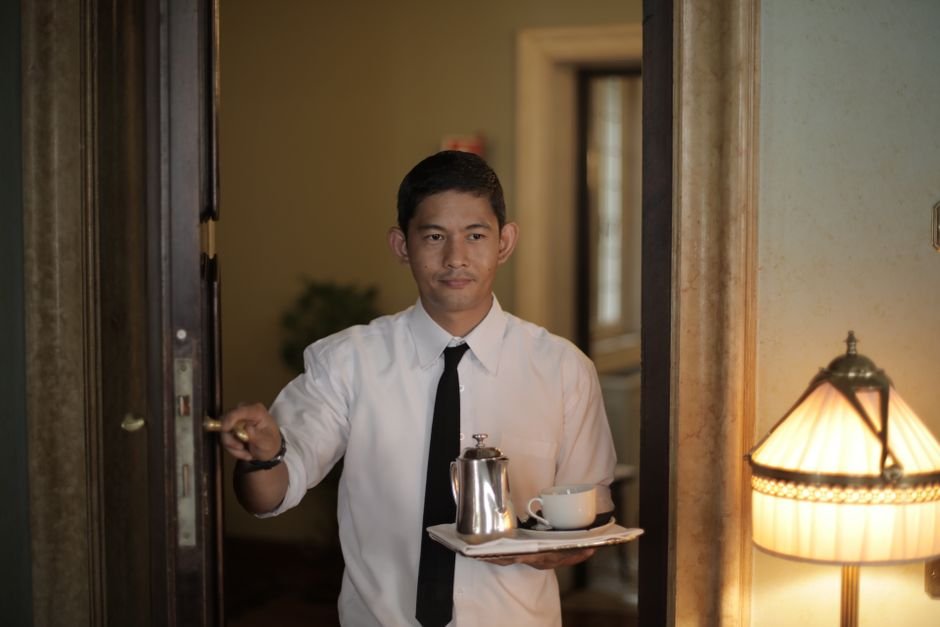
European hotel and restaurant chains are expanding fast across the UAE. Many now choose Dubai free zones to hire Filipino hospitality staff. This European Hospitality Firms Recruit strategy gives employers access to streamlined visa processes in DMCC and JAFZA. Additionally, free zones reduce bureaucratic delays for hotels and restaurants. Therefore, businesses can plan staffing with greater confidence.
Dubai free zones host thriving hospitality communities. Meanwhile, Filipino professionals are known for excellent service skills in hotels, cafés, and fine dining venues. Moreover, these workers bring strong English communication and a service-first mindset. Besides, the demand for Filipino staff continues to rise across GCC hospitality networks. Thus, free zone hiring routes become a practical solution for European brands.
At Allianze HR Consultancy, we’ve successfully placed 10,000+ professionals across UAE, Saudi Arabia, Qatar, and Kuwait. Furthermore, our 5+ years of GCC expertise supports clients from 50+ countries. Moreover, our Ministry of External Affairs (India) RA license ensures compliance. Therefore, contact our recruitment specialists for expert guidance.
Understanding GCC Hospitality Recruitment Requirements
European hotel brands entering the UAE free zone ecosystem must understand local hiring rules. First, employers need a valid free zone license from authorities like DMCC or JAFZA. Second, each visa application requires a cleared security check. Third, medical fitness tests are mandatory before work permits. Consequently, planning documents early reduces costly delays. Furthermore, free zone visas are processed online through dedicated portals, which speeds up approval. However, without correct paperwork, applications may face rejection.
Additionally, GCC hospitality recruitment demands precise job descriptions. Employers must specify roles, salaries, and accommodation terms. Moreover, wages must align with Dubai’s competitive market standards. For example, entry-level service staff receive basic salary plus housing and transport allowances. Besides, senior chefs and supervisors earn higher packages based on experience. Nevertheless, budgets should include visa fees, medical screening, and repatriation costs.
Key requirements include:
- Valid DMCC or JAFZA trade license
- Approved job offer with salary grade
- Emirates ID and entry permit
- Medical fitness certificate
- Labour contract attested by GDRFA or MOHRE
Furthermore, Philippine recruitment requires a separate POEA-approved processing flow. Therefore, employers should engage a licensed agency. Indeed, proper compliance protects both brand reputation and worker welfare. Additionally, European hospitality firms can reduce risk by using professional recruitment resources and trusted consultancies. Finally, clear contracts protect both parties and improve retention.
European Hospitality Firms Recruit: Strategic Overview
This strategy now centers on Dubai free zones for good reason. DMCC, for instance, offers flexible licensing and fast visa approvals. JAFZA provides similar advantages for food and beverage operations. Furthermore, these zones give foreign investors 100% ownership. Therefore, European hotel groups can establish regional hiring hubs with minimal administrative friction.
Moreover, the strategic overview includes a clear sourcing pipeline. Employers can partner with Philippine agencies to screen candidates before visa processing begins. Consequently, only qualified hospitality workers move forward. Additionally, free zone authorities offer e-channel services for visa applications. This reduces waiting periods from days to hours in some cases. Specifically, DMCC’s Investor Visa and JAFZA’s employment entry permits support fast onboarding. Meanwhile, Filipino candidates benefit from transparent job orders and verified contracts.
Key strategic benefits:
- Full foreign ownership in free zones
- Simplified visa quotas for hospitality staff
- Direct access to Filipino labor market
- Integrated visa and medical processing
- Lower operational costs versus mainland hiring
Furthermore, this model aligns with POEA rules when agencies follow documentation standards. Indeed, a compliant free zone route gives European brands a steady talent pipeline. Besides, Dubai’s central location allows quick redeployment to other GCC countries. Therefore, such hiring plans should include free zone selection from the start.
Legal Framework and Compliance Standards
Compliance forms the backbone of Filipino recruitment in Dubai free zones. European employers must follow international labour standards, UAE immigration rules, and Philippine regulations. For instance, ILO international labour standards set baseline protections for wages, hours, and safety. Similarly, U.S. Commerce Department labor rights highlights responsible hiring practices. Consequently, using approved contracts protects both sides. Besides, the Philippine Overseas Employment Administration regulates every licensed recruiter. Therefore, European employers should verify agency credentials before signing any agreement.
Moreover, UAE visa and immigration services govern free zone entry permits. Additionally, Saudi Ministry of Human Resources matters when workers later transfer to other GCC locations. Furthermore, World Bank labor market analysis confirms stable demand for migrant workers in hospitality. These references help employers understand fair hiring norms. Next, contracts must include wage rates, working hours, leave entitlements, and grievance mechanisms.
Key compliance areas:
- POEA-approved recruitment agency
- Employment contract with clear salary
- Free zone visa approval from DMCC or JAFZA
- Mandatory medical and security checks
- Attested educational and experience certificates
- Accommodation and transport arrangements
Additionally, employers must delegate processing to licensed entities. Indeed, missing POEA stamps can halt deployment. Therefore, maintain records for every stage. Finally, audits ensure fair treatment and sustainable retention. Subsequently, international best practices reduce turnover and legal risks. Hence, a structured compliance calendar keeps every visa cycle active.
European Hospitality Firms Recruit: Best Practices
Best practices turn free zone hiring into a long-term talent advantage. Employers should start with transparent recruitment workflows. For instance, publish clear job roles and salary ranges before interviews. Additionally, use POEA-accredited agencies to source Filipino hospitality candidates. Moreover, verify all documents before lodging visa requests. Consequently, errors become rare and deployment stays on schedule.
Wage standards are also critical. Dubai free zones do not mandate a single salary floor, but market rates guide retention. Basic service staff usually earn AED 2,000 to AED 3,000 plus housing and transport. Senior cooks and supervisors earn AED 4,000 to AED 6,000. Furthermore, include medical insurance and annual leave. Therefore, Filipino workers see tangible value in the package. Furthermore, offering overtime pay and clear shift schedules demonstrates respect. Thus, workers stay longer and provide consistent service quality.
Best-practice checklist:
- Offer fair, transparent wage packages
- Provide accommodation or housing allowance
- Arrange medical insurance and annual tickets
- Conduct cultural onboarding and service training
- Build a clear career path for retention
Additionally, retention improves when managers communicate openly. Indeed, regular check-ins reduce homesickness and improve performance. Besides, celebrating Filipino festivals creates a welcoming atmosphere. Therefore, these hiring programs work best when combined with continuous feedback. Finally, use performance metrics to refine wage structures over time.
Documentation and Processing Steps
Accurate paperwork accelerates free zone hiring. First, prepare job orders that describe duties and salary. Second, submit the order to a POEA-accredited agency. Third, the agency collects candidate documents and conducts interviews. Next, the free zone sponsor applies for the entry permit. Meanwhile, candidates complete medical screening and police clearance. Specifically, missing signatures cause unnecessary rework.
For European Hospitality Firms Recruit initiatives, every visa file must include specific forms. Notably, the DMCC visa application requires passport copies, photos, and attested qualifications. Similarly, JAFZA requests a valid job offer and proof of accommodation. Therefore, build a digital checklist before submission. Additionally, the contract must state the start date clearly.
Main processing steps:
- Register the job order with POEA
- Verify candidate credentials and NBI clearance
- Submit visa application through DMCC or JAFZA
- Complete medical test at an approved centre
- Receive entry permit and confirm flight details
- Secure Emirates ID and labour card after arrival
Additionally, keep digital copies of every signed document. Furthermore, track each file using an online spreadsheet. Consequently, delays become visible early. Finally, ensure the agency updates the candidate throughout the process. Moreover, weekly status calls between employer and agency build trust. Hence, candidates arrive ready to start work on time. Finally, verify that all POEA stamps are placed before deployment.
European Hospitality Firms Recruit: Implementation Timeline
A clear timeline prevents launch delays. Most free zone placements complete within six to eight weeks. First, week one focuses on job order creation and agency selection. Second, weeks two to three cover candidate sourcing and interviews. Third, week four resolves POEA approvals and contracts. Subsequently, weeks five to six handle visa applications and medical tests. Finally, week seven permits employee arrival and onboarding.
However, processing speed depends on document readiness. For instance, candidates with clear passports and attested degrees move faster. Moreover, DMCC and JAFZA each have distinct approval queues. Therefore, employers should submit files in batches. Specifically, batch applications reduce per-file complications. During week four, agencies must secure POEA accreditation stamps and verify employment contracts. Meanwhile, employers in Europe should confirm opening-dates with hotel or restaurant managers.
Implementation timeline:
- Week 1: Finalize job orders and budgets
- Week 2: Shortlist candidates through licensed agencies
- Week 3: Conduct interviews and offer letters
- Week 4: Submit POEA documents for approval
- Week 5: Apply for free zone entry permit
- Week 6: Complete medical tests and security checks
- Week 7: Confirm flights and arrival schedules
- Week 8: Begin orientation and training
Nevertheless, using a single point of contact smooths the journey. Additionally, proactive updates reduce candidate anxiety. Hence, this schedule leads to confident staffing. Finally, review the timeline after each batch to improve future cycles.
Common Challenges and Solutions
Free zone recruitment still presents certain obstacles. Delayed POEA clearances often slow deployment. However, hiring an accredited agency reduces these backlogs. Additionally, rising travel costs affect total budgets. Consequently, employers should plan contingency funds. Moreover, cultural differences may reduce initial performance. Thus, onboarding programs become essential. Specifically, incomplete documents remain the most common cause of rejection.
Another challenge is wage expectations. Filipino staff compare offers across GCC countries. Therefore, benchmark salaries from reliable sources. Furthermore, sudden visa policy changes can disrupt timelines. So, maintain contact with free zone authorities. Finally, high turnover damages service quality. Hence, retention strategies must start before arrival. Moreover, accommodation quality often influences retention more than salary alone.
Common solutions:
- Use POEA-accredited agencies only
- Build salary packages with housing and benefits
- Create a clear grievance reporting channel
- Offer free zone accommodation in the first month
- Run regular follow-up training for supervisors
Nevertheless, these solutions require daily discipline. Indeed, employers who communicate openly retain staff longer. Besides, technology helps track visas and contracts. Therefore, use recruitment software to automate reminders. Finally, a dedicated HR coordinator resolves issues quickly. Additionally, celebrate milestones to build team loyalty. For instance, monthly town halls allow staff to express concerns safely.
Expert Recommendations for Success
Success depends on preparation, compliance, and ongoing partnership. First, European hoteliers should treat recruitment as an investment. Second, choose free zones that match operational needs. DMCC works well for trading and services, while JAFZA suits logistics and food. Third, use professional recruitment resources to stay informed. Furthermore, appoint a single agency to coordinate every process. Furthermore, align recruitment calendars with seasonal hotel demand. Therefore, avoid last-minute staffing pressure.
Moreover, build long-term relationships with Philippine sourcing partners. This creates a reliable pipeline for future roles. Additionally, track hiring metrics such as time-to-visa and retention rate. Therefore, adjust strategies based on data. Besides, invest in supervisor training to support new Filipino staff. Indeed, strong leadership reduces early resignations. Additionally, encourage Filipino employees to mentor new arrivals. This boosts engagement and preserves service standards.
Expert recommendations:
- Confirm free zone license before hiring
- Use licensed agencies for POEA compliance
- Benchmark wages against Dubai market data
- Prepare onboarding materials in Filipino and English
- Review visa audits quarterly
Finally, schedule consultation appointment with Allianze HR for tailored guidance. Moreover, review candidate feedback after each batch. Consequently, every recruitment cycle becomes smoother. Ultimately, consistent improvement leads to world-class hospitality teams. Specifically, set quarterly reviews of job order accuracy.
Frequently Asked Questions About Filipino Staff Recruitment
What is the process for European Hospitality Firms Recruit in Dubai free zones?
The process begins when the employer signs a POEA-accredited agency. Next, the agency submits job orders to Philippine authorities. Meanwhile, the free zone sponsor applies for a visa. Usually, the entire process takes six to eight weeks. Therefore, contact our HR specialists for accurate timelines.
What documentation is required for Filipino staff recruitment?
Required documents include employment contracts, visa applications, medical certificates, and educational credentials. Additionally, passports must be valid for six months. Moreover, attestation procedures apply for all certificates. Specifically, DMCC and JAFZA have individual forms.
What are typical costs for free zone hiring services?
Costs vary by position level, volume, and agency fees. Furthermore, visa fees, medical screening, and documentation affect total investment. Therefore, request detailed quotations for accuracy.
How does Allianze HR ensure legal compliance?
We maintain Ministry-approved RA license status under The Emigration Act, 1983. Additionally, our team monitors GCC labor law changes continuously. Moreover, we conduct thorough documentation verification at every stage.
Which GCC countries does Allianze HR serve?
We serve UAE, Saudi Arabia, Qatar, Kuwait, Bahrain, and Oman. Furthermore, our talent network spans India, Nepal, Bangladesh, Pakistan, Sri Lanka, and the Philippines.
What sectors does Allianze specialize in?
Our expertise covers construction, hospitality, healthcare, facilities management, manufacturing, oil and gas, and technical services. Additionally, we handle both skilled and semi-skilled recruitment.
Partner with Allianze HR for Hospitality Recruitment Success
Dubai free zones offer European brands a direct path to Filipino hospitality talent. First, DMCC and JAFZA provide modern visa solutions for hotels and restaurants. Second, POEA compliance protects workers and employers alike. Third, strong wage packages improve retention and service consistency. Therefore, any European Hospitality Firms Recruit plan should align with these principles. Furthermore, this combined approach reduces hiring risk and administrative burden. Consequently, teams start faster and perform better.
At Allianze HR, we simplify every stage. Our specialists handle documentation, agency coordination, and visa follow-ups. Additionally, we provide market intelligence for wages and benefits. Moreover, our RA license guarantees accountability under Indian emigration law. Hence, you can focus on running your hospitality operations while we manage staffing. Specifically, we coordinate with POEA-accredited agencies in the Philippines. Additionally, we design retention plans tailored to your property’s culture.
Ready to build your dream team? Then contact our HR specialists today. Alternatively, schedule consultation appointment for a free discussion. We support clients across UAE, Saudi Arabia, Qatar, Kuwait, Bahrain, and Oman. Finally, let Allianze HR turn your recruitment goals into reality. Therefore, take the next step with confidence. We also offer post-placement support for the first 90 days. This ensures smooth integration and lasting success.