



GCC economies continue expanding rapidly, and construction, hospitality, and manufacturing projects demand reliable talent pipelines. Consequently, many employers across UAE, Saudi Arabia, Qatar, and Kuwait look toward South Asia for skilled and semi-skilled professionals. Indeed, employers who Hire Workers from Nepal gain access to dependable, English-speaking, and hardworking teams. Additionally, Nepal’s Department of Foreign Employment (DoFE) regulates outbound labor effectively, ensuring workers arrive prepared and properly documented. Therefore, understanding this recruitment channel matters for consistent project delivery and long-term workforce stability. Moreover, Nepali workers have earned strong reputations for discipline, adaptability, and technical proficiency across Gulf worksites. Similarly, Nepali professionals demonstrate exceptional commitment to workplace safety standards.
Sector demand continues rising across the Gulf region. Notably, construction firms require masons, carpenters, electricians, and heavy equipment operators. Similarly, hospitality employers seek cooks, waitstaff, housekeeping personnel, and front-of-house teams. Meanwhile, manufacturing facilities need machine operators, quality control staff, and production supervisors. For instance, large-scale infrastructure projects in Saudi Arabia and the UAE rely heavily on South Asian labor. Furthermore, Nepali workers bring strong English communication skills compared to other source countries. Besides this, their work ethic and cultural adaptability make them excellent long-term fits. Also, Nepali trade schools produce certified welders, plumbers, and electricians consistently.
Navigating Nepali recruitment regulations requires specialized knowledge. At Allianze HR Consultancy, we’ve successfully placed 10,000+ professionals across UAE, Saudi Arabia, Qatar, and Kuwait. Furthermore, our 5+ years of GCC expertise supports clients from 50+ countries. Moreover, our Ministry of External Affairs (India) RA license ensures compliance. Therefore, contact our recruitment specialists for expert guidance. Specifically, our team manages DoFE approvals, pre-departure training coordination, visa processing, and post-arrival support. Additionally, we provide transparent pricing and dedicated account management. Consequently, GCC employers can focus on operations while we handle the entire hiring lifecycle. Furthermore, our candidates undergo rigorous screening and skills verification before deployment. Besides this, we maintain strong relationships with training institutes across Nepal to ensure consistent candidate quality.
Understanding GCC Visa and Quota Requirements
GCC member states maintain structured immigration systems for foreign workers. Moreover, each country publishes annual quotas based on labor market needs. Firstly, employers must secure a work permit before their candidate applies for an entry visa. Secondly, the quota system allocates specific numbers for each nationality and sector. Thirdly, compliance with these quotas prevents penalties and business disruptions.
Specifically, the UAE follows a quota framework managed through the Ministry of Human Resources and Emiratisation. Similarly, Saudi Arabia’s Ministry of Human Resources and Social Development oversees the Saudi visa system. Furthermore, Qatar, Kuwait, Bahrain, and Oman have their own distinct regulations. Therefore, engaging with local authorities and registered recruitment agencies ensures accurate, up-to-date information. Notably, Nepali workers fall under specific bilateral agreement provisions in several GCC countries.
- Sector-specific allocation limits
- Nationality-based ceilings
- Skill-level categorization
- Annual review and adjustment cycles
- Penalty structures for over-quota hiring
- Renewal timelines for existing permits
Consequently, employers must forecast workforce needs accurately. Additionally, working with licensed recruitment partners simplifies quota navigation. Thus, internal HR teams can focus on retention and productivity. Furthermore, proactive communication with government bodies resolves potential allocation issues before they escalate. Consequently, understanding these nuanced rules reduces recruitment lead times significantly.
Hire Workers from Nepal: Strategic Overview
Nepali talent presents a compelling opportunity for GCC employers. Notably, Nepal offers a young, growing workforce with strong English proficiency. Furthermore, the country’s Department of Foreign Employment (DoFE) has modernized its emigration procedures significantly. Consequently, recruitment cycles have become more predictable. Additionally, Nepal’s demographic profile supports long-term workforce stability. Specifically, over 60% of the population falls between 15 and 59 years old. Consequently, employers can access a substantial talent reservoir.
- Competitive salary expectations compared to other source countries
- High literacy rates, particularly among younger workers
- Strong vocational training infrastructure
- Existing proficiency in construction, hospitality, and manufacturing skills
- Established diaspora networks across GCC countries
Additionally, Nepal’s government actively supports labor export through pre-departure orientation programs. Therefore, workers arrive with better cultural awareness and workplace expectations. Moreover, GCC employers report high retention rates among Nepali staff. Specifically, their professionalism and positive attitudes contribute to healthier workplace cultures. Thus, strategic workforce planning benefits from including Nepal as a primary sourcing destination. Furthermore, technical training institutions across Nepal produce thousands of certified workers annually. Therefore, skills gaps remain manageable within reasonable training periods. Besides this, Nepali workers demonstrate strong adaptability to new environments and regulations. Indeed, many Gulf employers choose Nepal as their preferred sourcing market year after year.
Legal Framework and Compliance Standards
Legal compliance forms the foundation of ethical international recruitment. Consequently, GCC employers must understand both Nepali emigration laws and destination-country regulations. Particularly, Nepal’s Department of Foreign Employment (DoFE) oversees all outbound labor contracts. Therefore, working through DoFE-approved recruitment agencies ensures lawful processing. Moreover, the Foreign Employment Act, 1985 governs Nepali labor migration. Additionally, bilateral labor agreements between Nepal and GCC states provide structured pathways. Furthermore, pre-departure orientation training is mandatory for all Nepali workers. This training covers workplace safety, cultural adaptation, and workers’ rights.
Compliance essentials include:
- Verification of agency licenses with DoFE
- Standardized employment contracts in both Nepali and English
- Mandatory pre-departure orientation attendance
- Proper medical screening and insurance coverage
- Alignment with ILO international labour standards
- Adherence to U.S. Commerce Department labor rights
Additionally, employers should consult official country resources. For instance, UAE visa and immigration services provide clear guidelines. Similarly, Saudi Ministry of Human Resources oversees labor compliance in the Kingdom. Furthermore, World Bank labor market analysis offers useful regional context. Consequently, maintaining thorough compliance records protects employers from legal disputes. Additionally, regular audits ensure ongoing alignment with evolving regulations. Indeed, robust compliance frameworks attract higher-quality candidates. Moreover, documentation integrity directly impacts approval timelines. Therefore, employers should prioritize compliance from the very first engagement.
Hire Workers from Nepal: Best Practices
Succeeding with Nepali workers requires culturally informed best practices. Firstly, cultural adaptation programs help both employees and employers. Moreover, pre-departure training should include workplace communication and safety modules. Employers who invest in assimilation strategies see measurable productivity gains. Furthermore, structured onboarding aligned with Nepali cultural norms accelerates time-to-competency.
Key best practices include:
- Providing halal or Nepali-compatible meal options in staff housing
- Accommodating religious festivals, especially Dashain and Tihar
- Offering clear career progression paths
- Establishing mentorship systems with experienced Nepali team leads
- Scheduling regular feedback sessions in simple English
- Ensuring comfortable shared accommodation with adequate facilities
Additionally, employers should recognize Nepal’s diverse cultural heritage. Specifically, Nepali workers appreciate structured recognition programs. For instance, employee-of-the-month awards boost morale effectively. Furthermore, family contact support, such as reliable internet access, improves retention significantly. Moreover, pairing new arrivals with senior Nepali colleagues simplifies knowledge transfer. Additionally, regular cultural awareness workshops for non-Nepali supervisors reduce misunderstandings. Particularly, understanding collectivist work values improves team dynamics. Likewise, clear communication channels matter. Moreover, visual safety signage benefits workers with varying English levels. Consequently, workplace incidents decrease when employers invest in induction training. Therefore, implementing these practices reduces turnover and enhances team cohesion. Meanwhile, celebrating Nepali public holidays in staff housing fosters inclusion.
Documentation and Processing Steps
Accurate documentation determines recruitment speed and success. Furthermore, incomplete files cause avoidable delays. Consequently, employers should establish a standardized checklist for every candidate. Additionally, standardized templates prevent errors. Moreover, bilingual documentation helps workers understand their rights.
Essential documents include:
- Valid passport with at least 18 months remaining validity
- Employment offer letter on company letterhead
- Signed employment contract in both Nepali and English
- Educational certificates and trade test results
- Medical fitness certificate from approved centers
- Police clearance certificate from Nepal
- Digital photos and biometric data
Subsequently, documents undergo attestation processes. Specifically, Nepal’s Department of Foreign Employment verifies contracts and licenses. Additionally, the destination country’s embassy in Kathmandu authenticates paperwork. Meanwhile, GCC authorities process work visas and residence permits upon arrival. Furthermore, pre-departure orientation certificates must accompany visa applications. Notably, medical insurance proof is mandatory in most GCC countries. Therefore, including these documents early prevents last-minute complications.
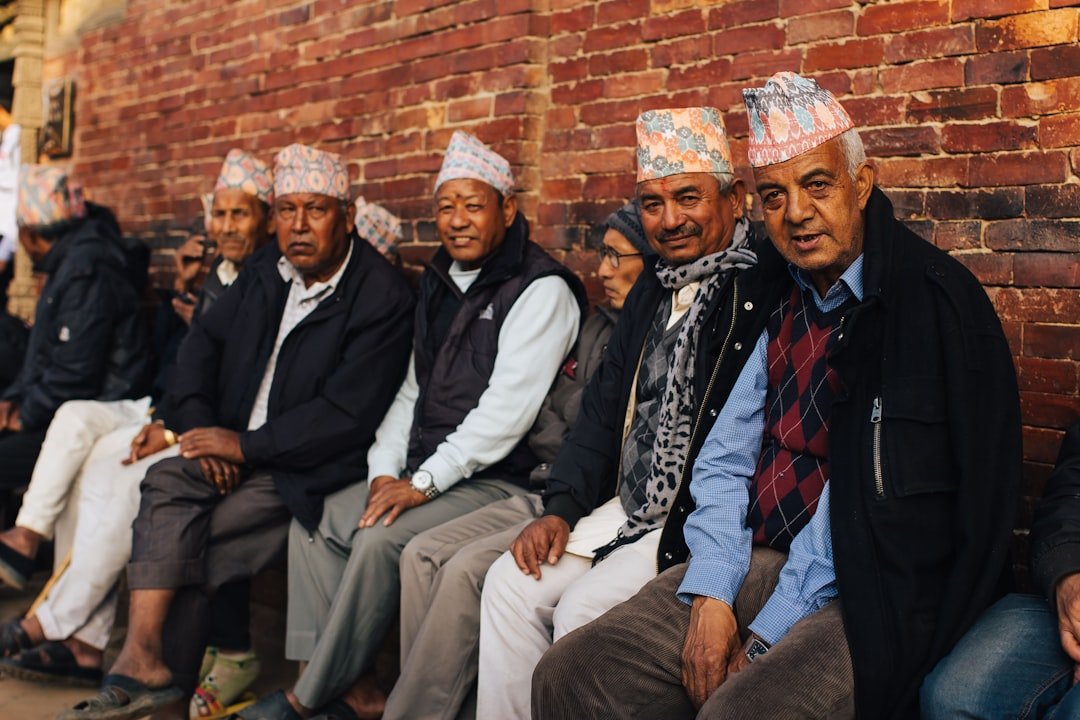
Moreover, employers should track application status through official portals. For instance, UAE’s visa services provide real-time updates. Furthermore, keeping digital copies of every document ensures quick reference. Thus, streamlined document management reduces administrative burdens. Indeed, organized documentation reflects an employer’s professionalism and compliance commitment. Moreover, digital archiving supports smooth audits and government inspections.
Hire Workers from Nepal: Implementation Timeline
Understanding the implementation timeline helps GCC employers plan effectively. Typically, the recruitment process spans 4-8 weeks from signed agreement to worker arrival. Furthermore, several factors influence processing speed. Moreover, government processing capacities vary seasonally.
Timeline breakdown:
- Week 1: Position finalization and agency agreement
- Week 2: Candidate sourcing and initial interviews
- Week 3: Document collection and verification
- Week 4: DoFE registration and pre-departure training
- Week 5: Medical screening and police clearance
- Week 6: Visa processing and approval
- Week 7: Flight booking and final clearance
- Week 8: Worker arrival and induction in GCC
Moreover, expedited processing options exist for urgent requirements. However, priority timelines depend on government processing capacities. Additionally, seasonal peaks affect medical and attestation turnaround times. Therefore, starting early minimizes unnecessary pressure. Furthermore, reliable partners provide regular milestone updates. Consequently, HR teams maintain full visibility throughout the process. Moreover, contingency planning addresses unexpected documentation issues. Thus, employers achieve predictable mobilization schedules. Specifically, maintaining open communication with the recruitment agency ensures smooth coordination at every stage. Likewise, aligned expectations between employers and agencies prevent misunderstandings. Consequently, project managers can schedule labor deployment with confidence. Furthermore, early planning reduces last-minute costs and operational disruptions.
Common Challenges and Solutions
International recruitment presents inherent challenges that require proactive solutions. Nevertheless, experienced partners help mitigate these risks effectively.
Common challenges include:
- Language and communication barriers
- Cultural differences in workplace expectations
- Skill mismatches between candidate training and employer needs
- Visa processing delays
- Early attrition due to homesickness
- Limited awareness of GCC labor laws among workers
Solutions include comprehensive pre-departure training, structured onboarding, and transparent communication policies. Specifically, investing in English skills training during pre-departure improves workplace safety compliance. Additionally, cultural orientation programs minimize misunderstandings. Furthermore, mentoring with experienced staff accelerates adaptation. Moreover, clear expectations about working hours and benefits reduce grievances and turnover. Common challenges also include documentation errors, delayed medical appointments, and embassy scheduling conflicts. Therefore, building buffer time into each phase prevents cascading delays. Similarly, managing worker expectations about salaries, accommodation, and growth opportunities reduces early resignations. Furthermore, clear job descriptions eliminate ambiguity before candidates depart Nepal. Meanwhile, regular check-ins during the first 90 days improve integration outcomes. Additionally, employers can access professional recruitment resources to refine their processes. Consequently, knowledgeable partners provide up-to-date guidance on regulatory changes. Therefore, most challenges become manageable with proper planning. Moreover, structured escalation procedures resolve emerging issues quickly. Indeed, proactive employers avoid most recruitment pitfalls entirely.
Expert Recommendations for Success
Expert recommendations hinge on several core principles. Firstly, partner exclusively with government-licensed recruitment agencies. Moreover, verify DoFE accreditation and track records before signing. Additionally, align recruitment plans with GCC visa quota cycles. Namely, established agencies maintain strong candidate pools and local knowledge.
Key recommendations:
- Start recruitment at least 10 weeks before project mobilization
- Integrate cultural sensitivity into every HR policy
- Conduct quarterly workforce reviews with recruitment partners
- Invest in ongoing supervisor training
- Maintain updated compliance documentation at all times
- Use transparent communication at every stage
Furthermore, measure recruitment success through defined KPIs. For example, track time-to-hire, retention rates, and safety incidents. Additionally, gather worker feedback systematically. Consequently, continuous improvement becomes possible. Additionally, benchmarking against industry standards reveals improvement areas. Indeed, successful employers view worker satisfaction as a productivity driver. Particularly, proactive communication about payroll timing and contractual terms prevents disputes. Furthermore, transparent grievance mechanisms build trust and loyalty. Moreover, adopt sustainable practices that support worker welfare. Particularly, fair wages, quality housing, and respectful management drive loyalty. Thus, employers build strong reputations as preferred GCC destinations for Nepali talent. Above all, treat recruitment as a long-term partnership. Furthermore, agencies like Allianze HR provide end-to-end support. Therefore, employers achieve operational excellence with minimal disruption.
Frequently Asked Questions About Hire Workers from Nepal
What is the process for hiring Nepali workers for GCC jobs?
The process typically takes 4-8 weeks depending on country requirements. Furthermore, documentation preparation affects processing speed. Therefore, consult our specialists for accurate timelines.
What documentation is required for Nepali worker recruitment?
Required documents include employment contracts, visa applications, medical certificates, and educational credentials. Additionally, country-specific requirements vary. Moreover, attestation procedures apply for all documents.
What are typical costs for Nepali recruitment services?
Costs vary by position level, country, and volume. Furthermore, visa fees, medical screening, and documentation affect total investment. Therefore, request detailed quotations for accuracy.
How does Allianze HR ensure legal compliance?
We maintain Ministry-approved RA license status under The Emigration Act, 1983. Additionally, our team monitors GCC labor law changes continuously. Moreover, we conduct thorough documentation verification at every stage.
Which GCC countries does Allianze HR serve?
We serve UAE, Saudi Arabia, Qatar, Kuwait, Bahrain, and Oman. Furthermore, our talent network spans India, Nepal, Bangladesh, Pakistan, Sri Lanka, and the Philippines.
What sectors does Allianze specialize in?
Our expertise covers construction, hospitality, healthcare, facilities management, manufacturing, oil and gas, and technical services. Additionally, we handle both skilled and semi-skilled recruitment.
Partner with Allianze HR for Nepali Workforce Success
Successful recruitment requires strategic planning, compliance excellence, and cultural sensitivity. Moreover, choosing the right partner determines long-term outcomes. Therefore, employers who Hire Workers from Nepal through structured processes achieve the best results. Additionally, Allianze HR Consultancy delivers comprehensive support. Specifically, we handle sourcing, documentation, training, and post-arrival integration. Furthermore, our 10,000+ successful placements demonstrate proven expertise. Consequently, Gulf employers minimize risk and maximize workforce performance. Thus, schedule consultation appointment today. Furthermore, contact our HR specialists for personalized advice. Meanwhile, explore our professional recruitment resources for additional insights. Additionally, our bilingual team supports clients in English, Hindi, and Arabic. Consequently, communication barriers never slow down your recruitment journey. Furthermore, we provide regular reporting and proactive problem-solving throughout the engagement. Therefore, your internal HR team remains fully informed at every milestone. Indeed, our client retention rate speaks to consistent satisfaction. Besides this, we offer flexible engagement models for projects of all sizes. Ultimately, your success depends on making informed decisions. Therefore, partner with us and build a productive, stable workforce. Furthermore, reach out today and experience the Allianze difference. We stand ready to support you with our proven recruitment framework. Moreover, our end-to-end services cover every stage, from sourcing to settlement. Consequently, you gain true peace of mind and predictable workforce outcomes.