


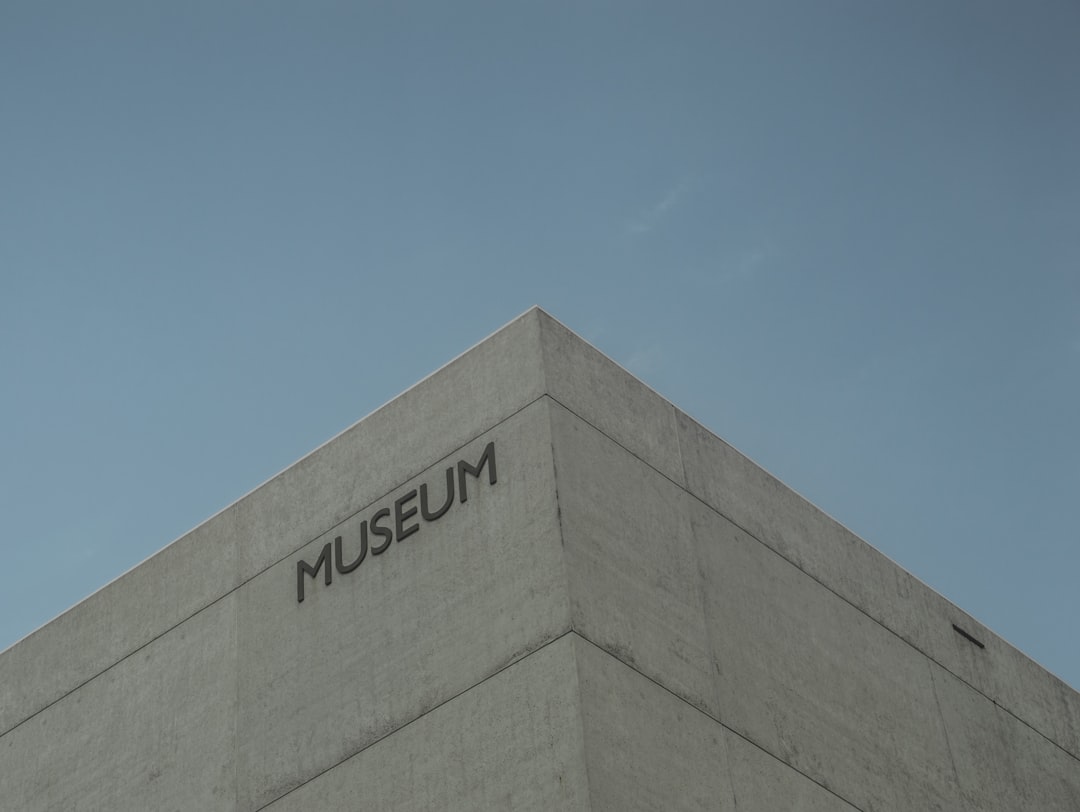
How can cultural institutions in the Gulf region protect priceless heritage while ensuring modern operational efficiency? Furthermore, managing a museum or heritage site demands a unique blend of technical skill and conservation sensitivity. Consequently, specialized museum FM services cultural facility management has become a critical discipline. This guide explores the strategic recruitment and staffing required for heritage property maintenance with conservation expertise across the GCC.
The GCC’s cultural landscape is rapidly evolving. Iconic museums and restored heritage sites are central to national identity and tourism. Moreover, these facilities present complex operational challenges. They require precise environmental controls and specialized maintenance protocols. Therefore, standard facility management approaches often prove inadequate. Instead, a dedicated strategy for cultural asset preservation is essential for long-term success.
At Allianze HR Consultancy, we’ve successfully placed 10,000+ professionals across UAE, Saudi Arabia, Qatar, and Kuwait. Furthermore, our 5+ years of GCC expertise supports clients from 50+ countries. Our deep understanding of the niche requirements for museum and heritage facility staffing sets us apart. Moreover, our Ministry of External Affairs (India) RA license ensures full compliance. Therefore, contact our recruitment specialists for expert guidance on building your specialized team.
Understanding GCC Cultural Facility Management Requirements
Cultural facility management in the Gulf differs significantly from commercial FM. Firstly, heritage sites often operate within historic structures. These buildings have inherent preservation needs. Secondly, museum environments demand strict control of temperature, humidity, and light. These factors directly impact artifact conservation. Consequently, staffing strategies must prioritize specialized technical knowledge alongside traditional FM skills.
Additionally, GCC nations are investing heavily in cultural infrastructure. Projects like Saudi Arabia’s Diriyah Gate and the UAE’s Louvre Abu Dhabi exemplify this trend. This growth creates high demand for skilled professionals. However, the talent pool with relevant experience remains limited. Therefore, proactive recruitment planning becomes a strategic imperative for institution directors and developers.
Key staffing considerations include:
- Preventive maintenance specialists for sensitive HVAC and lighting systems.
- Conservation-aware technicians for building fabric upkeep.
- Integrated pest management experts for collection protection.
- Security personnel trained in heritage asset protection protocols.
- Sustainability officers to manage energy and water use in climate-controlled spaces.
Partnering with a recruitment firm that understands these nuances, like Allianze HR, ensures you access the right talent. Furthermore, we navigate the complex UAE green building regulations and other regional standards that apply to modern cultural facilities.
Museum FM Services Cultural Facility Strategic Overview
A strategic approach to museum FM services cultural facility management begins with a holistic view. This discipline merges preservation science with operational excellence. Firstly, it protects the physical building and its priceless contents. Secondly, it ensures a safe, comfortable environment for visitors and staff. Moreover, it must achieve these goals within often restrictive historic structures. Therefore, every staffing decision must align with core conservation principles.
The strategic framework involves several interconnected pillars. Environmental management is paramount. It requires systems that maintain stable conditions to prevent artifact degradation. Secondly, risk management addresses threats from fire, water, and physical damage. Thirdly, visitor experience management ensures public access does not compromise preservation goals. Finally, sustainability initiatives reduce operational impact on both the building and the planet.
Implementing this strategy requires a specific team structure:
- A Facility Manager with direct experience in heritage or museum settings.
- Conservation Technicians who understand material science and preventive care.
- HVAC Engineers specialized in precision climate control systems.
- Building Surveyors skilled in diagnosing issues in historic fabric.
- Operations Coordinators to manage daily workflows without disrupting galleries.
This integrated approach ensures facilities meet international benchmarks. It aligns with guidelines from bodies like the International Labour Organization workplace safety and the International Facility Management Association.
Legal Framework and Compliance Standards
Operating a cultural facility in the GCC involves navigating a multi-layered compliance landscape. Firstly, national labor laws govern all employment contracts, wages, and working conditions. Secondly, specific heritage protection laws may impose restrictions on modifications or maintenance activities. Thirdly, building codes and safety regulations apply, sometimes with special provisions for historic structures. Therefore, understanding this legal framework is non-negotiable.
Furthermore, international standards often influence best practices. Loan agreements for international exhibitions frequently mandate specific environmental conditions. Additionally, insurance providers may require adherence to recognized risk management protocols. Consequently, your facility management team must be literate in both local law and global museum standards. This dual knowledge protects the institution from legal and financial liability.
Key compliance areas for staffing include:
- Ensuring all technicians hold relevant trade certifications recognized by GCC authorities.
- Providing specialized training in handling hazardous materials used in conservation.
- Adhering to strict visa and labor quota regulations for expatriate staff.
- Implementing World Health Organization indoor air quality guidelines for staff and visitor health.
- Following local civil defense regulations for fire safety in public assembly buildings.
Non-compliance can result in heavy fines, operational shutdowns, or damage to institutional reputation. Thus, a meticulous approach to legal adherence is a cornerstone of effective cultural FM.
Museum FM Services Cultural Facility Best Practices
Adopting best practices for museum FM services cultural facility management ensures operational resilience and collection safety. Firstly, develop a comprehensive preventive maintenance schedule tailored to the building’s age and construction. This schedule must prioritize non-invasive techniques. Secondly, implement a continuous monitoring system for environmental conditions. Data loggers for temperature and humidity provide early warnings of system failures.
Moreover, foster close collaboration between FM staff and curatorial/conservation departments. Regular meetings prevent well-intentioned maintenance from accidentally harming artifacts. Additionally, invest in ongoing professional development. Technology and conservation science evolve rapidly. Therefore, keeping your team’s skills current is a critical investment. It directly impacts the facility’s ability to preserve heritage for future generations.
Essential best practices include:
- Creating a detailed register of all building materials and systems for reference.
- Using only conservation-approved cleaning agents and methods in gallery spaces.
- Establishing clear protocols for emergency response, including salvage priorities for artifacts.
- Conducting regular integrated pest management inspections to prevent infestations.
- Documenting all maintenance activities meticulously for institutional memory and insurance.
These practices align with global trends in sustainable heritage management. They also support the broader goals of World Bank urban development projects that often include cultural components.
Documentation and Processing Steps for Specialized Staffing
Recruiting for heritage facility roles requires meticulous documentation. The process begins with a precise job description. This document must detail not only technical skills but also required knowledge of conservation ethics. Furthermore, it should specify any necessary certifications from recognized bodies. Subsequently, candidate screening must evaluate both hard skills and a demonstrated sensitivity to cultural heritage.
Once a candidate is selected, the visa and onboarding process demands attention to detail. Work permits for specialized technical roles often require proof of qualifications. Moreover, these documents typically need attestation from home country authorities and GCC embassies. Additionally, medical screenings must be completed at approved centers. Therefore, partnering with an experienced recruiter streamlines this complex administrative journey.

Critical documentation steps include:
- Attested educational certificates and professional trade licenses.
- Detailed employment history with references from previous cultural sector employers.
- Medical fitness certificates from government-approved health centers.
- Employment contract aligned with both GCC labor law and institutional policies.
- Security clearance documents, especially for staff accessing high-security collection areas.
Allianze HR manages this entire process. We ensure all paperwork complies with local regulations, helping you avoid delays. Explore our professional recruitment resources for further guidance on documentation.
Museum FM Services Cultural Facility Implementation Timeline
A realistic timeline for deploying a museum FM services cultural facility team is crucial for planning. The process typically spans 8 to 14 weeks from job order to deployment. Firstly, the candidate sourcing and screening phase takes 3-4 weeks for specialized roles. This period allows for a thorough search to find candidates with the rare blend of technical and conservation skills. Secondly, the selection and offer stage requires 1-2 weeks for interviews and negotiations.
Furthermore, the visa and documentation processing stage is the most variable. It generally takes 4-6 weeks depending on the GCC country and the candidate’s nationality. This stage includes medical tests, document attestation, and visa stamping. Finally, onboarding and orientation require 1-2 weeks to ensure the new hire understands the specific protocols of your institution. Therefore, planning ahead prevents staffing gaps that could jeopardize facility operations.
A sample timeline breakdown:
- Weeks 1-4: Job description finalization, candidate sourcing, and initial screening.
- Weeks 5-6: Technical interviews, practical assessments, and final selection.
- Weeks 7-10: Document collection, attestation, and visa application submission.
- Weeks 11-12: Medical screening, final approval, and flight arrangements.
- Weeks 13-14: Airport pickup, institutional orientation, and role-specific training.
Understanding this sequence helps manage expectations. It ensures your heritage facility maintains uninterrupted professional management.
Common Challenges and Strategic Solutions
Recruiting and retaining staff for cultural FM roles presents distinct challenges. Firstly, the niche skill set makes candidate scarcity a primary issue. Few professionals possess deep HVAC expertise alongside knowledge of archival material sensitivities. Secondly, high competition from other prestigious institutions in the region can drive up salary expectations. Consequently, developing a compelling employer value proposition is essential.
Another common challenge is integrating new staff into established, conservation-focused workflows. Cultural institutions often have deeply ingrained protocols. New technicians may inadvertently use methods suitable for commercial buildings but harmful to heritage materials. Therefore, a robust, structured orientation program is not optional. It is a critical risk mitigation tool for protecting collections.
Effective solutions to these challenges include:
- Partnering with global recruitment firms that access international talent pools.
- Offering continuous professional development opportunities to attract career-focused candidates.
- Creating clear career progression pathways within the cultural FM specialty.
- Implementing mentorship programs pairing new hires with experienced conservation staff.
- Utilizing schedule consultation appointment services to plan long-term workforce strategy proactively.
Addressing these challenges head-on builds a stable, expert team. This stability is the foundation of effective heritage stewardship.
Expert Recommendations for Long-Term Success
Sustaining excellence in cultural facility management requires a forward-looking strategy. Firstly, invest in building institutional knowledge. Document procedures, system layouts, and material responses in a centralized digital repository. This knowledge base survives staff turnover. Secondly, cultivate relationships with academic programs in conservation science and heritage building management. These relationships can provide a pipeline for future talent and expert consultation.
Moreover, embrace technology judiciously. Building Information Modeling for historic structures can revolutionize maintenance planning. Similarly, IoT sensors for environmental monitoring provide real-time data for proactive interventions. However, technology must always serve preservation goals, not dictate them. Therefore, evaluate every new tool against its potential impact on the historic fabric and collection.
Strategic recommendations include:
- Conducting annual skills gap analyses to inform training and recruitment plans.
- Developing a succession plan for key technical roles to ensure knowledge transfer.
- Participating in regional and international museum FM networks to share best practices.
- Allocating budget for staff to attend relevant conferences and certification programs.
- Regularly reviewing and updating emergency preparedness plans with the entire cross-departmental team.
Following these expert recommendations positions your institution as a leader. It demonstrates a commitment to preserving cultural heritage through professional, innovative management.
Frequently Asked Questions About Museum FM Services Cultural Facility
What is the timeline for museum FM services cultural facility staffing?
The timeline typically ranges from 8 to 14 weeks. This period covers specialized sourcing, interviews, visa processing, and deployment. Furthermore, roles requiring rare conservation expertise may take longer. Therefore, consult our specialists for a project-specific estimate.
What documentation is required for heritage facility technician recruitment?
Required documents include attested trade certificates, previous employer references from cultural sectors, and medical clearances. Additionally, proof of training in conservation-aware maintenance methods is highly advantageous. Moreover, all documents must undergo proper legal attestation channels.
How do GCC labor laws affect cultural facility management staff?
GCC labor laws govern contracts, working hours, leave, and termination for all staff. Furthermore, some countries have specific wage protection systems. Additionally, health and safety regulations, aligned with International Labour Organization standards, apply strictly to museum environments.
What are the key differences between standard FM and museum FM?
Museum FM prioritizes preventive conservation and environmental precision over cost or speed. Decisions are driven by artifact preservation needs, not just operational efficiency. Moreover, staff must understand the science behind material degradation to perform their duties effectively.
Can Allianze HR source candidates with specific conservation experience?
Yes. Our specialized recruitment network includes professionals with backgrounds in heritage institutions, conservation studios, and specialized engineering firms. We identify candidates who understand the unique demands of preserving cultural assets within the GCC context.
What ongoing support does Allianze provide after placement?
We provide post-placement check-ins to ensure smooth integration. Furthermore, we assist with any initial administrative or compliance issues. Additionally, we remain a partner for your future staffing needs as your institution grows and evolves.
Partner with Allianze HR for Cultural Facility Success
Effective museum FM services cultural facility management is a strategic investment in preserving our shared heritage. It requires a dedicated team with a rare combination of technical prowess and conservation awareness. Throughout this guide, we’ve outlined the complexities of recruiting, complying, and retaining such specialized talent in the GCC. The region’s ambitious cultural vision demands nothing less than excellence in facility stewardship.
Allianze HR Consultancy is your ideal