



How can construction firms in the GCC boost on-site productivity and meet aggressive project deadlines? The answer often lies in strategic human capital management. Furthermore, the region’s competitive construction landscape demands innovative approaches to workforce motivation. Consequently, implementing structured incentive programs becomes a critical differentiator. Performance bonuses for construction crews offer a powerful solution to align crew efforts with project goals effectively.
The construction sector across the Gulf faces unique productivity challenges. These include extreme climates, diverse multinational workforces, and complex project specifications. Moreover, traditional fixed-wage structures often fail to drive peak performance. Therefore, productivity-based reward systems create a win-win scenario. They link crew earnings directly to measurable outputs and quality standards. This approach is essential for maintaining schedules and budgets in fast-paced markets like Dubai, Riyadh, and Doha.
At Allianze HR Consultancy, we’ve successfully placed 10,000+ professionals across UAE, Saudi Arabia, Qatar, and Kuwait. Furthermore, our 5+ years of GCC expertise supports clients from 50+ countries. Moreover, our Ministry of External Affairs (India) RA license ensures compliance. Therefore, contact our recruitment specialists for expert guidance on implementing these powerful incentive systems for your workforce.
Understanding GCC Construction Productivity Challenges
GCC construction projects operate under intense pressure. Tight timelines and high-quality expectations are standard. Additionally, workforce demographics are incredibly diverse. Crews often include workers from South Asia, Southeast Asia, and the Middle East. Consequently, communication and motivation strategies must be culturally nuanced. A one-size-fits-all compensation model rarely delivers optimal results.
Furthermore, environmental factors significantly impact daily output. Extreme summer heat mandates strict work-hour regulations. This compresses productive windows. Moreover, complex mega-projects require precise coordination between multiple trades. Delays in one crew can cascade through the entire project timeline. Therefore, incentivizing not just individual speed, but also teamwork and coordination, is vital.
Key challenges include:
- High worker turnover disrupting team cohesion and skill levels.
- Safety compliance sometimes perceived as slowing work pace.
- Language barriers hindering clear communication of goals and rewards.
- Varied skill levels within a single crew affecting overall output.
- Cultural differences in motivation and recognition preferences.
Addressing these issues requires a tailored approach. Simply offering more money is not enough. The incentive structure must be fair, transparent, and achievable. It must also align with overarching project safety and quality mandates.
Performance Bonuses Construction Crews Strategic Overview
A strategic performance bonus system transforms payroll from a cost into an investment. This investment directly fuels productivity and quality. The core principle is simple: reward measurable outcomes that benefit the project. However, designing the system requires careful planning. First, define clear, objective performance metrics. These metrics must be within the crew’s control. For example, reward completing a concrete pour ahead of schedule without defects.
Moreover, the program must be communicated with crystal clarity. Every crew member should understand how to earn the bonus. They should also see the direct link between their effort and the reward. Transparency builds trust and buy-in. Additionally, the reward must be timely. A bonus paid months after the achievement loses its motivational impact. Therefore, consider weekly or bi-weekly incentive payouts alongside regular wages.
Critical strategic components include:
- Goal Alignment: Bonus metrics must directly support project critical path milestones.
- Measurability: Use quantifiable data like cubic meters placed, square meters completed, or safety incident rates.
- Fairness: Ensure all crew members have a fair chance to contribute and earn.
- Budget Integration: Factor incentive costs into the initial project budget as a productivity driver, not an add-on.
- Compliance: Structure bonuses to comply with GCC labor laws on overtime and wage protection.
Ultimately, a well-designed performance bonuses for construction crews program boosts morale. It also reduces supervisory overhead. Crews self-manage towards the incentivized goals. This creates a more efficient and proactive site environment.
Legal Framework and Compliance Standards
Implementing incentive schemes in the GCC requires strict legal adherence. Each country has specific labor laws governing wages, overtime, and bonuses. For instance, the UAE’s Wage Protection System (WPS) mandates timely salary payments. Any bonus paid must be recorded and processed through this system. Similarly, Saudi Arabia’s Ministry of Human Resources has clear regulations on employee compensation.
Furthermore, international standards provide important guidance. The International Labour Organization (ILO) emphasizes fair remuneration. Incentive programs must not compromise worker safety or wellbeing. Additionally, OSHA construction industry standards highlight that speed incentives should never undermine safety protocols. This is a non-negotiable principle.
Key compliance considerations:
- Ensure bonus calculations are clearly defined in employment contracts or addendums.
- Verify that total compensation, including bonuses, meets or exceeds the mandated minimum wage.
- Structure programs to avoid coercive practices that might lead to excessive overtime.
- Document all bonus payments meticulously for audit and dispute-resolution purposes.
- Align incentive metrics with nationalization (Nitaqat, Emiratisation) goals where applicable.
Non-compliance risks severe penalties. These include fines, project stoppages, and reputational damage. Therefore, consult with HR and legal experts during the design phase. This ensures your productivity rewards are both effective and lawful.
Performance Bonuses Construction Crews Best Practices
Successful incentive programs follow proven best practices. First, involve site supervisors and foremen in the design process. They understand daily workflow bottlenecks best. Their input ensures targets are realistic. Moreover, start with a pilot program on one project or with one crew. This allows for refinement before a full-scale rollout. Monitor the pilot closely for both results and unintended consequences.
Additionally, balance quantitative and qualitative metrics. Speed is important, but so is quality and safety. Therefore, implement a multi-factor bonus formula. For example, tie 50% of the bonus to schedule adherence, 30% to zero rework, and 20% to a perfect safety record. This prevents corner-cutting. Furthermore, recognize and reward team performance over pure individual output. Construction is a collaborative endeavor. Team-based rewards foster cooperation and knowledge sharing.
Essential best practices include:
- Clear Communication: Use simple language, visual aids, and multilingual explanations to convey rules.
- Frequent Feedback: Provide weekly updates on crew performance relative to bonus targets.
- Non-Monetary Recognition: Supplement cash bonuses with public recognition, certificates, or meal vouchers.
- Regular Review: Adjust metrics quarterly based on project phase and past performance data.
- Inclusive Design: Create tiers so both skilled and semi-skilled workers can earn meaningful incentives.
Following these practices maximizes the return on your incentive investment. It builds a culture of high performance and continuous improvement. Consequently, your projects gain a reliable competitive advantage in the market.
Documentation and Processing Steps
Robust documentation is the backbone of any legitimate bonus program. First, create a formal Incentive Program Policy document. This document should outline all objectives, eligibility criteria, measurement formulas, and payment schedules. Subsequently, have each participating employee sign an acknowledgment. This confirms their understanding of the terms. Moreover, integrate this policy into your overall professional recruitment resources and onboarding kit.
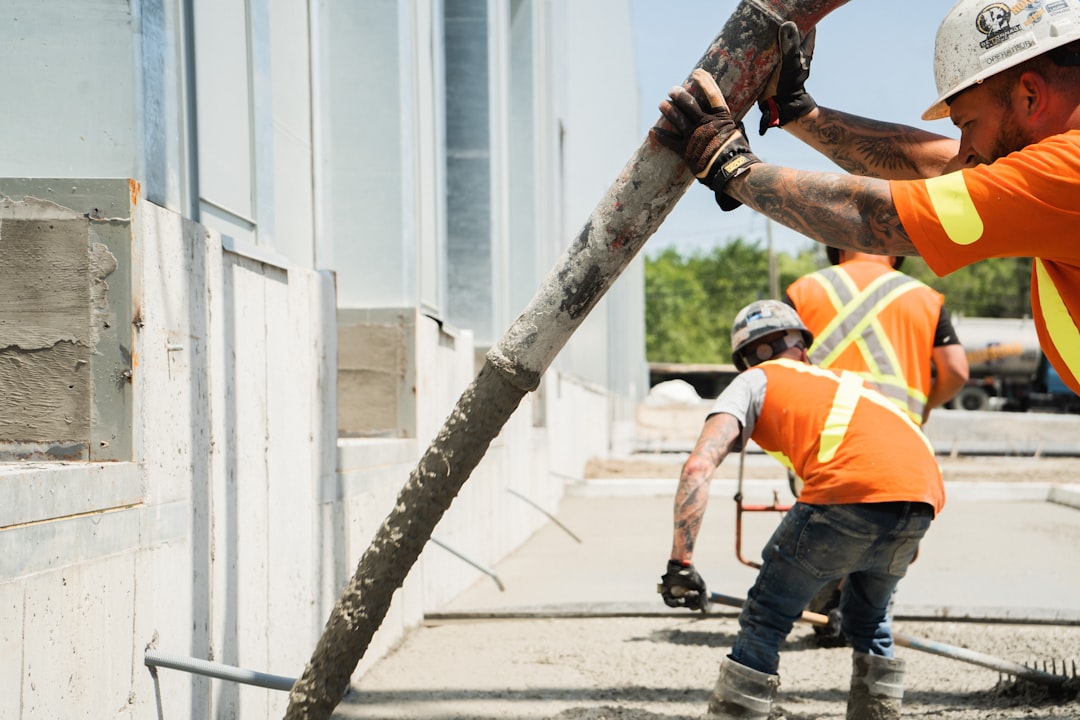
Next, establish a transparent tracking system. Use daily reports from site engineers or digital tools to record performance data. This data must be accurate and verifiable. Furthermore, designate a payroll administrator to calculate earned bonuses each cycle. Their calculations should be reviewed and approved by the project manager. Finally, process payments through the official payroll system. This ensures proper taxation and WPS compliance.
Critical documentation steps:
- Draft and legally review the bonus scheme policy document.
- Prepare individual employee addendums to existing contracts.
- Develop standardized daily/weekly production tracking sheets.
- Create a transparent calculation and approval workflow.
- Maintain secure records of all performance data and payment slips.
Proper documentation prevents disputes. It also provides valuable data for analyzing the program’s effectiveness. This data can inform future project budgeting and workforce planning decisions.
Performance Bonuses Construction Crews Implementation Timeline
Implementing a structured incentive program requires a phased approach. Rushing the process leads to confusion and poor outcomes. A typical implementation spans 6-8 weeks. The first phase is the design and planning stage. This takes 2-3 weeks. During this time, assemble a cross-functional team. This team includes HR, project management, finance, and site supervision. Together, they define goals, metrics, and the budget.
The second phase is communication and training. This requires 1-2 weeks. Roll out the program to managers and foremen first. Train them on how to track performance and motivate their teams. Subsequently, launch a comprehensive communication campaign for all crew members. Use toolbox talks, posters, and translated handouts. Furthermore, address all questions thoroughly to ensure full understanding.
Finally, the third phase is the pilot launch and review. Run the program with a selected crew for 3-4 weeks. Gather feedback and analyze initial results. Then, make necessary adjustments before expanding to the entire site. This careful, staged rollout for performance bonuses construction crews ensures stability and buy-in. It also allows for fine-tuning based on real-world feedback.
Key timeline milestones:
- Week 1-2: Form team, conduct baseline productivity analysis, and set preliminary targets.
- Week 3: Finalize bonus structure, budget, and all policy documentation.
- Week 4: Train supervisory staff and prepare communication materials for workers.
- Week 5: Launch pilot program with one crew or trade.
- Week 6-8: Monitor pilot, collect data, adjust plan, and plan full-scale rollout.
Common Challenges and Solutions
Even well-designed programs face obstacles. A common challenge is perceived unfairness. Crews may feel metrics favor one trade over another. The solution is proactive transparency. Show the data and rationale behind each target. Additionally, involve crew representatives in periodic reviews. Another frequent issue is quality sacrifice for speed. The remedy is to intrinsically link quality checks to the bonus. No bonus is paid for work that fails inspection, regardless of speed.
Moreover, budget overruns can occur if incentives are too generous or poorly forecasted. Therefore, cap the total bonus pool as a percentage of the project’s labor budget. Use historical data to set realistic performance improvement expectations. Furthermore, resistance from middle management can be a barrier. Some supervisors may feel the program undermines their authority. Consequently, include supervisor performance in the incentive scheme. Reward them for effectively leading their crews to achieve targets.
Additional challenges and solutions:
- Challenge: Data tracking is manual and prone to error. Solution: Invest in simple digital time-tracking or project management apps.
- Challenge: High turnover disrupts team-based incentive continuity. Solution: Offer a small, prorated individual bonus for new hires during their first month.
- Challenge: Crews hit targets early and then slow down. Solution: Implement tiered or escalating targets to sustain motivation throughout the project.
Anticipating these challenges allows for preemptive planning. It turns potential failures into manageable operational adjustments.
Expert Recommendations for Success
For long-term success, integrate incentives into your company culture. Do not treat them as a one-project tactic. Furthermore, regularly benchmark your programs against industry standards. Resources from the World Bank infrastructure development reports can provide regional context. Additionally, prioritize worker wellbeing alongside productivity. The World Health Organization workplace standards emphasize this holistic approach.
Moreover, leverage technology for objectivity. Use sensors, drones, or BIM software to collect impartial performance data. This removes human bias from measurement. Also, celebrate successes publicly. Share stories of crews who earned top bonuses in company newsletters. This recognition reinforces desired behaviors. Finally, continuously gather feedback from the workforce. Their insights are invaluable for refining and improving the system year after year.
Top expert recommendations:
- Start simple with one or two clear metrics before adding complexity.
- Ensure senior leadership visibly champions and supports the program.
- Link crew incentives to project manager bonuses to align all stakeholders.
- Conduct an annual review of the program’s ROI on productivity, safety, and retention.
- Partner with an experienced HR consultancy like Allianze for design and compliance assurance.
Following these recommendations builds a sustainable competitive advantage. It creates a motivated, productive, and loyal construction workforce.
Frequently Asked Questions About Performance Bonuses Construction Crews
What is the primary benefit of performance bonuses for construction crews?
The primary benefit is significantly increased productivity and on-time project completion. Furthermore, these incentive programs boost crew morale and focus. They also directly align worker efforts with critical project milestones. Consequently, companies see a strong return on investment through saved time and reduced overhead.
How do I set a budget for a productivity reward structure?
Base the budget on a percentage of the total estimated labor cost. Typically, 5-15% is allocated for incentives. Furthermore, model the budget on the value of time saved by hitting aggressive targets. Therefore, the bonus pool should be self-funded by the productivity gains it generates. For precise budgeting, schedule a consultation appointment with our experts.
Can incentive programs compromise worksite safety?
They can if poorly designed. However, best practices mandate including safety as a key metric. Therefore, structure bonuses to reward zero incidents or perfect compliance audits. Moreover, disqualify crews from rewards for any safety violation. This ensures safety remains the top priority, aligning with OSHA principles.
How do I communicate the program to a multilingual workforce?
Use visual aids, translated handouts, and interpreter-led toolbox talks. Additionally, ensure foremen who speak the crew’s language can explain details clearly. Moreover, keep the rules simple and the calculation examples visual. Transparency and understanding are critical for program acceptance and success.