


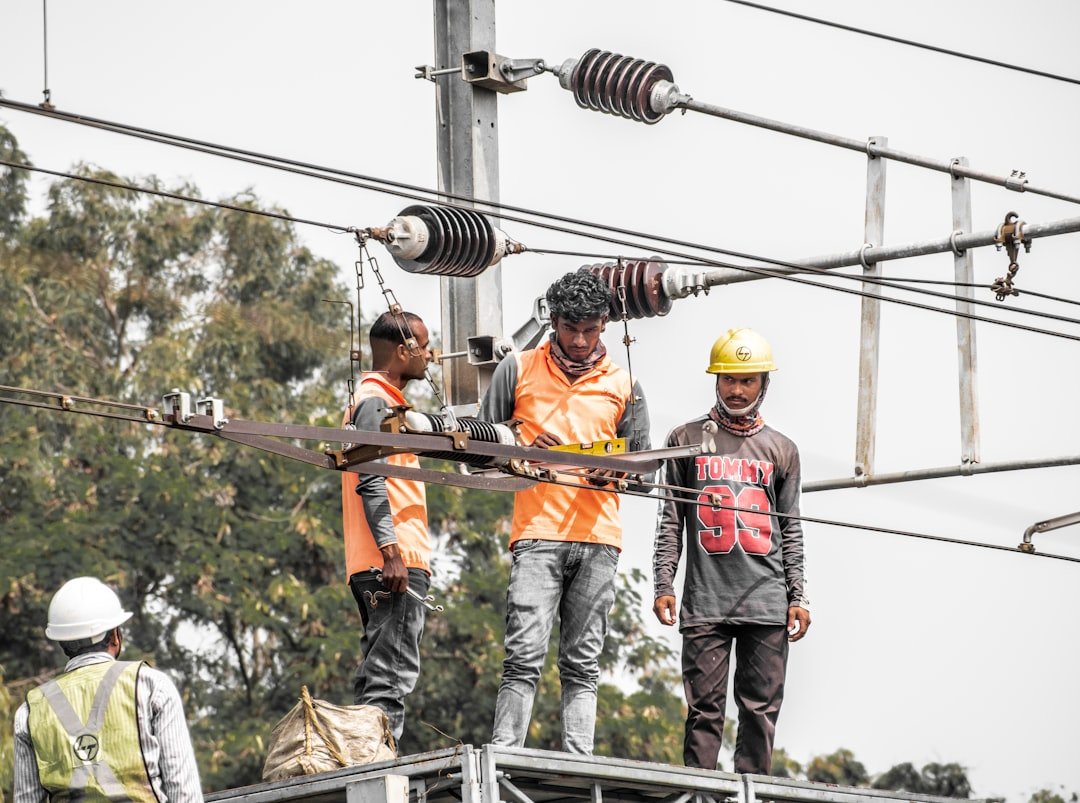
UAE construction continues to expand rapidly, and reliable electrical expertise remains essential for project success. Moreover, many leading developers now recruit electricians from India to fill skilled positions efficiently. Furthermore, Indian electricians bring strong technical training, disciplined work ethics, and experience with international safety standards. Additionally, Dubai’s infrastructure boom and Abu Dhabi’s megaprojects face persistent demand for qualified electrical personnel. Therefore, establishing a clear hiring pathway helps construction firms maintain project momentum and meet regulatory expectations. Likewise, timely access to certified tradespeople reduces costly project delays and improves site productivity. Indeed, construction leaders across the Emirates consistently prioritize workforce planning in their tendering strategies. Furthermore, proactive recruitment ensures that electrical teams are fully ready when construction phases begin.
Skilled electrician recruitment involves more than simple job posting. Consequently, employers must verify credentials, test practical abilities, and coordinate international mobility. Meanwhile, UAE Ministry of Education equivalency confirms that Indian qualifications meet local standards. Besides, NEBOSH-approved safety training ensures workers understand compliance requirements. Thus, a structured approach reduces hiring risks and protects project timelines. Specifically, the UAE construction sector recorded sustained growth, and demand for licensed electrical workers continues to rise. For instance, major projects across Dubai, Abu Dhabi, and Sharjah require hundreds of qualified wiremen annually. However, the shortage of locally available talent makes international sourcing essential.
At Allianze HR Consultancy, we have successfully placed 10,000+ professionals across UAE, Saudi Arabia, Qatar, and Kuwait. Furthermore, our 5+ years of GCC expertise supports clients from 50+ countries. Moreover, our Ministry of External Affairs (India) RA license ensures complete compliance. We manage the entire recruitment lifecycle, from sourcing and screening to visa processing and mobilization. Additionally, we provide dedicated relationship managers for every client account. Similarly, we offer transparent communication throughout the mobilization process. Indeed, our proven track record speaks to our commitment. Therefore, contact our HR specialists for expert guidance. Furthermore, explore our professional recruitment resources to understand documentation requirements. Finally, schedule consultation appointment for a personalized hiring plan. We serve contractors, developers, and EPC companies alike. Naturally, our bilingual team ensures smooth communication across borders.
Understanding GCC Construction Sector Requirements
The UAE construction industry depends heavily on skilled electrical professionals. Consequently, employers must comply with strict licensing rules before deploying workers. Furthermore, each emirate maintains specific certification requirements for electricians. Therefore, understanding these regulations before beginning recruitment saves time and money. Additionally, the UAE Ministry of Education evaluates foreign qualifications and issues equivalency certificates. Besides, many project contracts require NEBOSH-certified safety training for all site personnel. Thus, early planning around these requirements prevents costly delays.
Specifically, GCC construction firms should follow these steps:
- Verify the candidate’s electrical trade certificate through official Indian authorities.
- Submit qualifications to UAE Ministry of Education for equivalency approval.
- Confirm candidate experience with heavy-current, low-current, and control systems.
- Include practical skill testing through authorized assessment centers.
- Schedule NEBOSH-approved safety orientation before deployment.
Moreover, employers should note that different projects may demand specialized licenses. For instance, high-voltage installations require additional certifications beyond basic electrical qualifications. However, a well-structured evaluation process ensures candidates meet all necessary technical and safety standards. Finally, partnering with a licensed recruitment agency simplifies these complex requirements. Notably, demand for certified electricians continues rising with Dubai’s expansion projects. Moreover, Abu Dhabi’s industrial zones require specialized electrical expertise for ongoing installations.
Recruit Electricians from India: Strategic Overview
Construction firms need a comprehensive strategy covering sourcing, assessment, and mobilization when hiring electrical talent from India. Moreover, understanding the Indian labor market helps employers identify the right candidate pools. For instance, states like Punjab, Uttar Pradesh, and Kerala produce skilled electrical workers in large numbers. Additionally, India’s ITI (Industrial Training Institute) system generates certified electricians familiar with international standards. Therefore, targeting these regions improves recruitment efficiency significantly.
Furthermore, a strategic approach includes:
- Partnering with registered outsourcing agencies in India.
- Conducting structured technical interviews using UAE standard question banks.
- Evaluating English communication skills for safety-critical instructions.
- Reviewing candidate passport validity and prior GCC work history.
- Processing employment visa applications through approved channels.
Besides, pre-arrival briefing sessions prepare workers for UAE workplace culture. Similarly, families often influence candidate decisions; hence, transparent contract terms matter greatly. Nevertheless, the best firms integrate these strategic elements into a single workflow.
Particularly, cost transparency plays a crucial role in successful recruitment. Employers must compare direct hiring against agency fees, including visa charges, medical tests, and travel expenses. Therefore, building a complete cost model helps decision-makers choose the most efficient pathway. Finally, working with Allianze HR ensures every talent acquisition project receives dedicated support from experienced professionals.
Legal Framework and Compliance Standards
Every international recruitment exercise must operate within strict legal boundaries. Notably, the UAE Labour Law governs employment contracts, working hours, and termination procedures. Furthermore, India’s Emigration Act, 1983 regulates recruitment through registered RA license holders. Consequently, selecting a compliant recruitment partner remains essential. Additionally, employers must adhere to ILO international labour standards and protect worker rights. Meanwhile, U.S. Commerce Department labor rights guidance offers comparative benchmarks. Moreover, UAE visa and immigration services outline clear documentation pathways.
Also, compliance involves multiple stakeholders, including embassies, ministries, and medical authorities. Therefore, HR teams must coordinate with authorized clearance agencies to avoid violations.
Key compliance steps include:
- Verifying RA license status of all recruiting agencies.
- Registering employment contracts with UAE Ministry of Human Resources and Emiratisation (MOHRE).
- Completing medical fitness examinations at GCC-approved centers.
- Ensuring worker passports remain valid for at least six months.
- Following Saudi Ministry of Human Resources guidelines for cross-GCC mobility.
- Monitoring World Bank labor market analysis for emerging compliance trends.
Nevertheless, legal frameworks change periodically. Therefore, staying informed protects employers from penalties and litigation. Furthermore, meticulous documentation prevents disputes around wages, benefits, and working conditions. Indeed, compliant recruitment strengthens company reputation and worker retention.
Recruit Electricians from India: Best Practices
Successful hiring demands proven methodologies. Indeed, top-performing construction firms follow structured best practices for international electrical staffing. First, conduct thorough skill assessments that include both written and practical components. Second, verify all credentials with issuing authorities before proceeding. Third, provide comprehensive orientation covering UAE safety protocols and site expectations. Additionally, maintain clear communication channels between employer, agency, and worker.
Moreover, leading recruiters recommend these practices:
- Use standardized assessment matrices aligned with UAE construction requirements.
- Include electrical testing using modern digital simulation equipment.
- Verify physical fitness through authorized medical screening.
- Establish transparent salary structures using documented payslips.
- Confirm annual leave entitlements before contract signing.
- Offer relocation support including flights and temporary accommodation.
Similarly, cultural integration programs improve worker satisfaction and productivity. For instance, familiarizing new employees with local customs reduces adjustment challenges. Likewise, assigning experienced mentors helps new electricians adapt quickly. Nevertheless, avoiding shortcuts remains the most critical success factor.
Consequently, those who follow international best practices see higher retention and fewer compliance issues. Furthermore, continuous feedback loops between site supervisors and HR teams allow rapid problem resolution. Indeed, professional recruitment ultimately protects both project timelines and workforce welfare. Besides, recognized employers attract better candidates through stronger brand reputation.
Documentation and Processing Steps
Electrical worker mobilization involves multiple documentation stages. Furthermore, each document must meet specific formatting and attestation requirements. Therefore, preparing files early accelerates visa issuance. First, employers need the candidate’s valid passport, typically valid for six months beyond travel date. Second, attested educational and trade certificates must accompany visa applications. Third, medical examination results from approved testing centers are mandatory. Consequently, incomplete documentation remains a leading cause of processing delays.
Moreover, the typical sequence includes:
- Receive employment offer and signed contract from candidate.
- Submit visa application through UAE immigration portals.
- Complete medical fitness screening at authorized facilities.
- Obtain labour card approval through MOHRE systems.
- Process Emirates ID after arrival.
- Arrange biometric enrolment and final documentation.
Additionally, cost considerations shape employer decisions. Direct hiring involves internal HR time, advertising, screening, and compliance overhead. Agency recruitment consolidates these elements into a predictable per-worker fee. For instance, direct hire may cost less per worker but requires significant internal coordination. Meanwhile, agency services include verified sourcing, background checks, and travel arrangements.
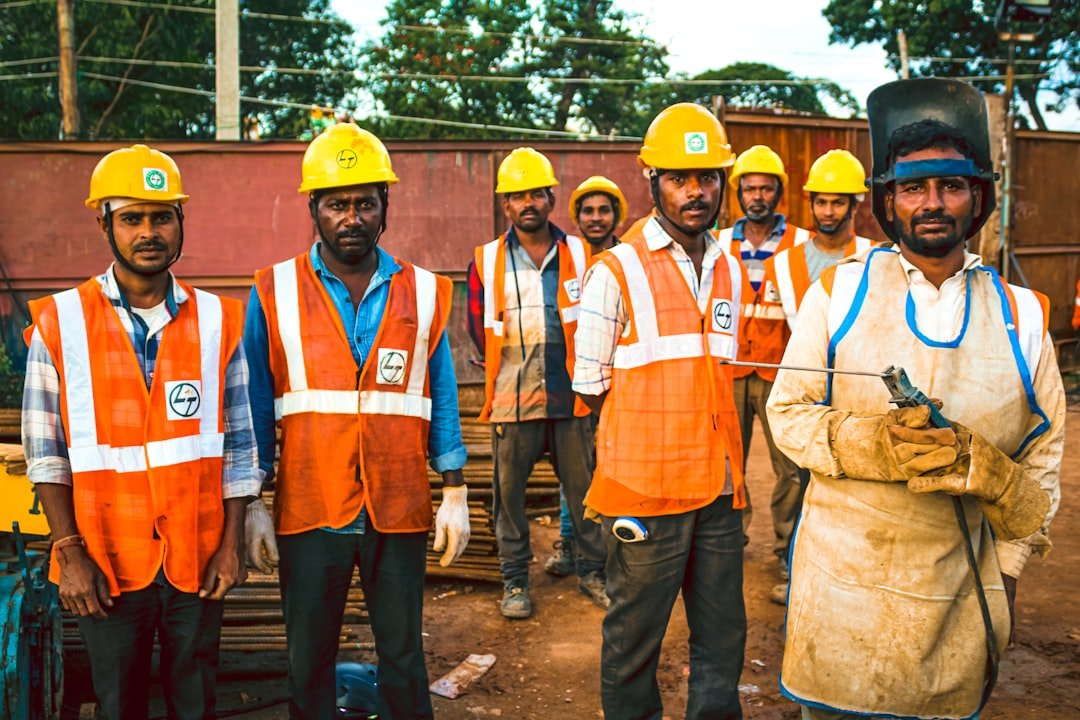
Nevertheless, hidden costs such as failed visa applications, delays, and replacement expenses can increase total direct-hire investment. Therefore, analyzing total cost of ownership matters more than headline fees. Finally, using professional recruitment resources simplifies this complex documentation landscape.
Recruit Electricians from India: Implementation Timeline
Timelines vary based on documentation readiness and government processing speed. Consequently, construction firms should plan recruitment schedules carefully. Nevertheless, a realistic talent mobilization campaign typically spans 4-8 weeks from contract signing to arrival. Therefore, understanding each phase helps set stakeholder expectations. First, candidate sourcing takes one to two weeks, including database screening and initial interviews. Second, technical assessment and selection require another two to five days. Third, visa processing consumes ten to fifteen working days. Finally, medical and travel arrangements complete the final week.
Additionally, the following milestones structure the journey:
- Week 1: Sourcing and preliminary screening.
- Week 2: Technical testing and client interviews.
- Week 3: Visa application submission.
- Week 4: Medical clearance and Labour Department approvals.
- Week 5-6: Travel and mobilization.
- Week 7-8: Site induction and safety training.
Moreover, emergency timelines of three weeks are possible for urgent projects. However, such expedited processing demands complete documentation readiness and additional costs. Therefore, advanced planning remains preferable in most situations. Consequently, employers must weigh speed against quality and compliance. Finally, partnering with experienced agencies speeds up every stage through established government relationships. Meanwhile, employers should factor in national holidays and regional processing variations. Additionally, some Indian states experiencing high outbound migration require additional verification. Thus, buffer time of five to seven days helps manage unexpected delays.
Common Challenges and Solutions
International recruitment presents unavoidable challenges. However, most obstacles have practical solutions. First, skill mismatches arise when candidate qualifications do not align with UAE standards. Consequently, implementing rigorous technical testing early prevents this issue. Second, documentation rejections cause considerable frustration. Therefore, submitting files to authorized attestation services reduces rejection rates. Third, delayed visa approvals disrupt project timelines. Thus, experienced agencies with direct immigration contacts accelerate processing.
Moreover, common problems include:
- Incomplete educational documents from Indian institutions.
- Language barriers affecting safety communication.
- Cultural differences impacting workplace integration.
- Salary expectation gaps between markets.
- High dropout rates during medical screening.
- Family concerns regarding extended separation.
Nevertheless, each challenge requires proactive management. For instance, employers can organize translators during induction periods. Similarly, realistic salary benchmarking from reliable GCC sources aligns expectations. Likewise, family orientation sessions ease worker concerns. Furthermore, backup candidates ready for deployment minimize disruption when primary candidates fail medical tests. Indeed, contingency planning differentiates successful projects from struggling ones.
Additionally, technology reduces documentation errors. Digital document management systems ensure nothing gets misplaced. Therefore, partnering with capable staffing consultants provides access to proven solutions. Finally, maintaining open dialogue between all parties resolves most issues before escalation.
Expert Recommendations for Success
Experienced recruiters agree that preparation determines outcomes. Furthermore, successful construction firms treat workforce planning as a strategic priority. Therefore, senior management involvement strengthens hiring processes. Additionally, allocate sufficient budget for comprehensive screening and compliance. Specifically, investing in quality assessment tools reduces long-term replacement costs. Moreover, build relationships with reliable recruitment partners early.
Particularly, industry experts recommend:
- Start talent sourcing before project timelines become critical.
- Partner only with RA-licensed agencies in India.
- Combine technical and behavioral assessments for complete evaluation.
- Draft detailed contracts with clear terms for wages, accommodation, and overtime.
- Schedule continuous safety training throughout employment.
- Monitor worker satisfaction through structured feedback mechanisms.
Besides, retaining workers reduces future recruitment expenses. Consequently, career development opportunities improve retention rates. Furthermore, recognition programs boost morale and productivity. In addition, periodic reviews ensure ongoing compliance with labour laws. First, maintaining transparent communication with workers builds trust. Second, documenting all interactions protects both parties. Third, aligning HR practices with ILO international labour standards enhances organizational reputation.
Finally, successful employers view recruitment not as a transaction but as a continuous cycle. Specifically, post-placement support and performance tracking drive long-term success. Therefore, partnering with consultants who offer end-to-end services, including aftercare, produces the best results.
Frequently Asked Questions About Recruit Electricians from India
What is the process for recruiting electricians from India?
The process typically takes 4-8 weeks depending on country requirements. Furthermore, documentation preparation affects processing speed. Therefore, consult our specialists for accurate timelines.
What documentation is required for electrical worker recruitment?
Required documents include employment contracts, visa applications, medical certificates, and educational credentials. Additionally, country-specific requirements vary. Moreover, attestation procedures apply for all documents.
What are typical costs for electrician hiring services?
Costs vary by position level, country, and volume. Furthermore, visa fees, medical screening, and documentation affect total investment. Therefore, request detailed quotations for accuracy.
How does Allianze HR ensure legal compliance?
We maintain Ministry-approved RA license status under The Emigration Act, 1983. Additionally, our team monitors GCC labor law changes continuously. Moreover, we conduct thorough documentation verification at every stage.
Which GCC countries does Allianze HR serve?
We serve UAE, Saudi Arabia, Qatar, Kuwait, Bahrain, and Oman. Furthermore, our talent network spans India, Nepal, Bangladesh, Pakistan, Sri Lanka, and the Philippines.
What sectors does Allianze specialize in?
Our expertise covers construction, hospitality, healthcare, facilities management, manufacturing, oil and gas, and technical services. Additionally, we handle both skilled and semi-skilled recruitment.
Partner with Allianz HR for Electrician Recruitment Success
Successful construction projects depend on reliable electrical manpower. Therefore, choosing the right recruitment path makes a significant difference. Throughout this guide, we discussed sector requirements, legal compliance, documentation, and timeline planning. Moreover, we examined how leading firms recruit electricians from India through structured processes. Besides, comparing direct hire against agency costs helps protect project budgets.
Additionally, employers benefit from practical tools such as skill assessments, attestation protocols, and government liaison support. Furthermore, experienced consultants reduce risk by managing every step efficiently. Specifically, Allianze HR Consultancy combines RA licensing compliance, 10,000+ successful placements, and deep GCC market knowledge. Consequently, we deliver dependable talent for construction, hospitality, and technical sectors. Notably, our clients benefit from dedicated account managers and measurable service levels. Thus, you gain complete visibility into every recruitment milestone.
Therefore, contact our HR specialists to start your recruitment journey. Additionally, explore our professional recruitment resources for workforce planning guides. Finally, schedule consultation appointment and discover why employers across UAE, Saudi Arabia, Qatar, and Kuwait trust Allianze. Moreover, our team provides personalized attention from initial sourcing through post-arrival settlement. Thus, securing skilled electricians becomes straightforward, predictable, and fully compliant. Furthermore, our after-placement support ensures worker satisfaction and retention.