



Why Food Safety Training is Non-Negotiable
Did you know that according to the CDC, approximately 48 million people get sick from foodborne illnesses each year in the United States alone? Consequently, the role of kitchen helpers in preventing these incidents cannot be overstated. Therefore, comprehensive training for kitchen helpers on food safety standards is not just a regulatory requirement—it’s a moral imperative. Moreover, this article will explore the critical components of an effective training program. Specifically, you’ll learn about essential protocols, common pitfalls, and how to foster a culture of safety. Ultimately, proper training protects both your customers and your business reputation.
Core Components of Food Safety Training
Firstly, effective training for kitchen helpers must cover several fundamental areas. For instance, personal hygiene stands as the first line of defense against contamination. Additionally, proper handwashing techniques are crucial. Meanwhile, the FDA Food Safety Modernization Act sets stringent guidelines that every kitchen must follow. Furthermore, training should include temperature control, cross-contamination prevention, and allergen management. Importantly, each component requires hands-on demonstration and regular reinforcement.
Implementing Personal Hygiene Protocols
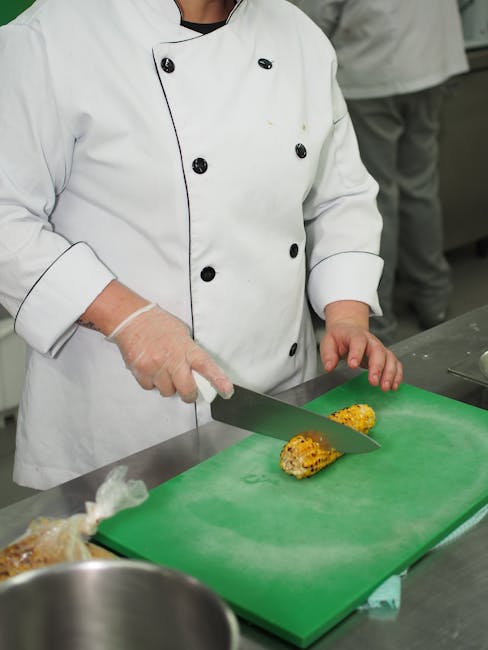
Kitchen helpers must understand the importance of personal hygiene. Specifically, policies should address:
- Frequent and proper handwashing
- Use of clean uniforms and aprons
- Restrictions on working while ill
- Proper glove usage and change frequency
According to a CDC study, improved handwashing practices can reduce foodborne illness risks by up to 40%.
Essential Food Safety Standards for Kitchen Staff
Secondly, adherence to established food safety standards is critical. For example, the FDA Food Code provides a model for best practices. Additionally, the USDA offers extensive resources for training programs. Moreover, helpers should be familiar with HACCP principles. These standards help identify potential hazards and implement control measures. Furthermore, regular audits ensure ongoing compliance with these essential protocols.
Mastering Temperature Control Practices
Temperature abuse causes many foodborne illness outbreaks. Therefore, kitchen helpers must learn:
- Proper refrigeration temperatures (below 40°F)
- Safe cooking temperatures for different meats
- Hot holding standards (above 140°F)
- Cooling procedures for prepared foods
Consequently, regular temperature monitoring should become a habitual practice.
Effective Training Methods for Kitchen Helpers
Thirdly, the delivery method significantly impacts training effectiveness. For instance, hands-on demonstrations often work better than lectures. Additionally, multimedia resources can enhance understanding of complex topics. Meanwhile, ServSafe offers industry-recognized certification programs. Furthermore, regular refresher courses help maintain high standards. Importantly, training should be conducted in the primary language of your staff to ensure comprehension.
Utilizing Visual Aids and Reminders
Visual cues reinforce important safety practices. Specifically, posters illustrating:
- Handwashing steps
- Temperature danger zones
- Allergen cross-contact prevention
- Cleaning and sanitizing procedures
These aids serve as constant reminders for kitchen helpers during their shifts.
Monitoring and Maintaining Food Safety Compliance
Fourthly, training doesn’t end with initial certification. Instead, ongoing monitoring ensures continued compliance. For example, regular audits identify areas needing improvement. Additionally, documentation of training sessions proves compliance during health inspections. Moreover, encouraging helpers to report potential issues creates a proactive safety culture. Furthermore, leveraging resources from Allianz EHR resources can streamline this process.
Conducting Effective Kitchen Audits
Regular audits should assess:
- Personal hygiene practices
- Food storage procedures
- Equipment cleanliness
- Temperature control compliance
Subsequently, audit results guide additional training needs for kitchen helpers.
Building a Culture of Food Safety Excellence
Ultimately, the goal extends beyond compliance to excellence. For instance, recognizing helpers who exemplify safety standards motivates others. Additionally, involving experienced staff in training new hires reinforces best practices. Moreover, regular team meetings discuss safety improvements. Furthermore, creating an environment where helpers feel comfortable reporting concerns prevents problems. Importantly, this cultural approach transforms food safety from a requirement to a shared value.
Implementing Continuous Improvement Processes
Continuous improvement requires:
- Regular feedback from kitchen helpers
- Staying updated on regulatory changes
- Investing in ongoing education
- Benchmarking against industry best practices
Consequently, this proactive approach ensures your training program remains effective.
Food Safety Training FAQ
What are the essential food safety certifications for kitchen helpers?
Most kitchens require helpers to obtain ServSafe Food Handler certification or equivalent. Additionally, some states mandate specific certifications.
How often should kitchen helpers receive food safety training?
Initial training should occur before handling food. Furthermore, refresher training is recommended annually or whenever protocols change.
What are the most common food safety mistakes by kitchen helpers?
Common errors include improper handwashing, cross-contamination, and temperature abuse. Moreover, inadequate cleaning practices also rank high.
How can I assess the effectiveness of food safety training?
Use practical demonstrations, written tests, and observational audits. Additionally, monitor compliance metrics and incident reports.
What resources are available for training kitchen helpers?
The FDA, USDA, and Allianz EHR resources offer excellent materials. Furthermore, industry associations provide specific guidance.
Conclusion: Elevate Your Kitchen’s Safety Standards
In conclusion, comprehensive training for kitchen helpers forms the foundation of food safety. Specifically, it prevents illnesses, ensures compliance, and protects your reputation. Moreover, effective programs combine education with practical application. Furthermore, ongoing monitoring and cultural commitment sustain results. Ultimately, investing in proper training demonstrates respect for both customers and staff. Finally, contact us for personalized assistance or book an appointment to develop your customized food safety training program today.