


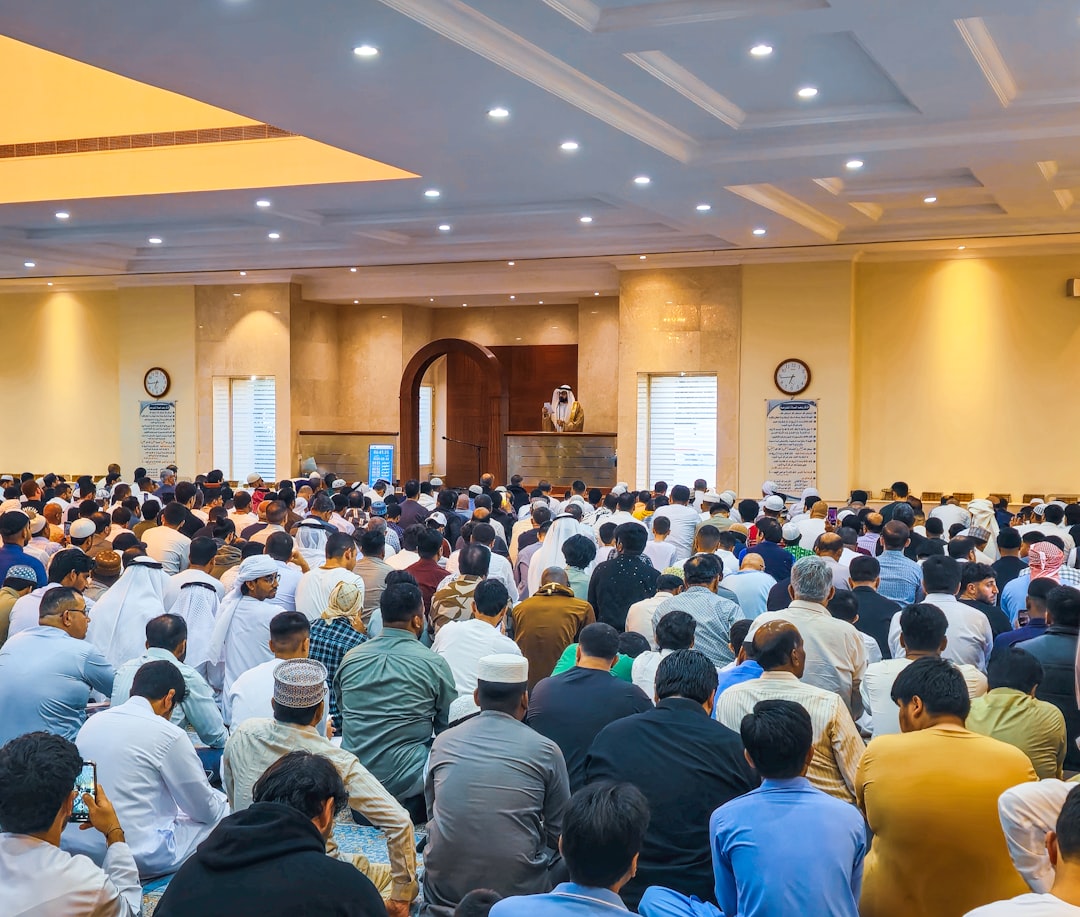
The UAE government has announced ambitious plans for 2026, projecting a surge in construction, retail, and facilities management projects. This growth requires a steady influx of skilled workers from South Asia. Bangladeshi workers are increasingly sought after for their strong work ethic, technical skills, and competitive cost structure. For UAE companies looking to expand their workforce, understanding the complete process for UAE 2026 Hiring Bangladeshi workers is essential. This guide provides a step-by-step roadmap from BMET clearance to final visa processing.
Inspired by the rapid GCC expansion of brands like Catalyst, retail and hospitality firms are scaling up operations. The construction sector alone expects to add thousands of roles by early 2026. Facilities management companies also require reliable semi-skilled and skilled labour. These sectors are turning to Bangladesh as a prime recruitment source. However, navigating the legal and administrative requirements can be complex.
At Allianze HR Consultancy, we’ve successfully placed 10,000+ professionals across UAE, Saudi Arabia, Qatar, and Kuwait. Furthermore, our 5+ years of GCC expertise supports clients from 50+ countries. Moreover, our Ministry of External Affairs (India) RA license ensures compliance. Therefore, contact our recruitment specialists for expert guidance.
Understanding GCC Recruitment Requirements
Before starting any hiring initiative, employers must grasp the shifting labour market dynamics in the Gulf region. The UAE, for example, has updated its visa regulations to streamline entry for priority nationalities. Specifically, Bangladeshi nationals fall under a quota-based system requiring timely approvals. Additionally, each emirate maintains its own labour office protocols. Therefore, staying updated on these rules is crucial.
Many GCC countries now enforce strict worker welfare standards. These include accommodation, medical insurance, and repatriation guarantees. Employers must provide proof of compliance during the visa application process. Furthermore, the ILO international labour standards serve as a baseline. For instance, contracts must be in a language the worker understands. Additionally, wage protection systems are mandatory in the UAE.
Understanding these GCC recruitment requirements helps avoid costly delays. First, verify the National Classification of Occupations (NCO) codes for each role. Second, confirm that your company has a valid commercial license and establishment card. Third, secure a no‑objection certificate from the Ministry of Human Resources and Emiratisation (MOHRE). Finally, partner with a licensed recruitment agency familiar with bilateral agreements between Bangladesh and the UAE.
UAE 2026 Hiring Bangladeshi Strategic Overview
A well‑defined strategy for UAE 2026 Hiring Bangladeshi workers can save time and reduce risk. The first step is to assess your actual labour demand against the talent pool available through BMET (Bureau of Manpower, Employment and Training) in Bangladesh. BMET clearance is mandatory for all overseas recruitment from Bangladesh. This process verifies the authenticity of job offers and protects workers from exploitation.
Next, consider the sectors with highest demand. For example, construction needs masons, carpenters, and heavy equipment operators. Retail requires sales associates and store managers. Facilities management relies on janitors, electricians, and HVAC technicians. Each sector has specific skill requirements and wage benchmarks. Therefore, aligning your recruitment strategy with these benchmarks improves approval rates.
Additionally, factor in the timeline. BMET clearance typically takes 3–4 weeks. Visa processing adds another 2–3 weeks. Medical examinations and document attestation may extend the timeline. Consequently, a strategic approach involves planning for a total of 6–8 weeks. Moreover, consider bulk processing to reduce per‑worker costs. Many companies combine multiple positions into one application. For expert advice, explore our professional recruitment resources.
Legal Framework and Compliance Standards
Compliance is non‑negotiable when hiring Bangladeshi workers for the UAE. The legal framework involves two main jurisdictions: Bangladesh’s Emigration Ordinance and the UAE’s Labour Law. Under Bangladeshi law, only licensed Recruiting Agents (RAs) can process overseas employment. Meanwhile, UAE law demands that employers register all workers with MOHRE and provide a standard employment contract.
Furthermore, the U.S. Commerce Department labor rights guidelines influence international recruitment best practices. Although not mandatory, following these guidelines helps mitigate reputational risk. For instance, ensure that recruitment fees are not charged to the worker. Also, provide clear terms regarding working hours, overtime, and leave. Additionally, the UAE mandates a mandatory health insurance scheme for all employees.
Employers must also comply with the Dubai Economic Security Centre (DESC) rules if operating in Dubai. These rules focus on worker accommodation standards and workplace safety. Violations can lead to fines, blacklisting, or cancellation of labour quotas. Therefore, it is wise to conduct a compliance audit before submitting applications. Allianze HR can assist with this audit. Moreover, our team stays current with all regulatory updates.
UAE 2026 Hiring Bangladeshi Best Practices
Adopting best practices for UAE 2026 Hiring Bangladeshi workers improves efficiency and worker retention. First, engage a BMET‑approved recruiting agency in Bangladesh. These agencies have direct access to the candidate database and can pre‑screen applicants. Furthermore, they handle the attestation of documents, which reduces administrative burden. Second, use a standardised job offer letter that matches the approved NCO code. This prevents mismatches during visa processing.
Third, conduct virtual interviews or video assessments to verify skills. Bangladeshi vocational training institutes often provide certificates that employers can cross‑check. Fourth, arrange pre‑departure orientation sessions. These sessions cover cultural adaptation, UAE laws, and workplace expectations. Fifth, plan for post‑arrival support, such as airport pickup and accommodation check‑in. These actions demonstrate good faith and improve worker morale.
Another best practice is to group workers by project start dates. This minimises idle time and reduces costs for the employer. Additionally, maintain clear communication with the Bangladeshi agent regarding any changes in the timeline. Finally, keep digital copies of all documents in a secure portal. In case of audits, you can produce them quickly. For a detailed consultation, schedule a consultation appointment with our experts.
Documentation and Processing Steps
The documentation required for hiring Bangladeshi workers is extensive but manageable. Below is a step‑by‑step breakdown of the processing sequence.
Step 1: Company registration with BMET. The UAE employer must register on the BMET portal or appoint a Bangladesh‑based agent. This includes uploading the company trade license, establishment card, and power of attorney. Next, the agent submits a demand letter detailing the number of workers, job roles, and salaries.
Step 2: Worker registration. Candidates must register on the BMET job portal. They provide personal details, educational certificates, and work experience. The agent then verifies these documents and schedules a biometric enrolment.
Step 3: Medical examination. All Bangladeshi workers must undergo a pre‑departure medical check‑up at a BMET‑approved centre. Tests include chest X‑ray, blood tests, and physical fitness assessments. Medical clearance is valid for 60 days.
Step 4: Visa application. The UAE employer applies for a work visa through the MOHRE system. This requires a copy of the worker’s passport, photograph, and medical certificate. The visa is usually issued in 2–3 days. However, entry permits may require additional verification.
Step 5: Attestation and arrival. After receiving the entry visa, the worker travels to the UAE. Within 30 days, the employer must complete the Emirates ID application and medical fitness test. Finally, the labour contract is stamped, and the worker receives a residence visa.

UAE 2026 Hiring Bangladeshi Implementation Timeline
Implementing a recruitment campaign for UAE 2026 Hiring Bangladeshi workers requires a realistic timeline. Based on typical processing speeds, the entire cycle takes 8 to 12 weeks from demand submission to worker onboarding. However, careful planning can compress this timeline.
Week 1–2: Preparation. Finalise job descriptions, salary scales, and NCO codes. Select a BMET‑approved agent. Prepare the company documentation for BMET registration. Meanwhile, advertise positions internally or through the agent’s network.
Week 3–4: Candidate sourcing and screening. The agent shortlists candidates based on requirements. Conduct virtual interviews. Collect necessary documents from selected workers. Submit the demand letter to BMET.
Week 5–6: BMET clearance. BMET reviews the demand, validates worker credentials, and issues a clearance certificate. This is a critical milestone; any missing documents will cause delays. Therefore, ensure all papers are complete.
Week 7–8: Medical and visa processing. Workers undergo medical tests. Simultaneously, the UAE employer applies for entry visas. Once the medical results are clear, the visa is stamped. Workers then travel to the UAE.
Week 9–12: Post‑arrival formalities. Upon arrival, complete Emirates ID registration, medical fitness tests in the UAE, and labour contract stamping. Workers begin employment after receiving their residence visa. By planning each phase, companies can avoid bottlenecks and ensure a smooth transition.
Common Challenges and Solutions
Employers often face several obstacles when recruiting Bangladeshi workers for the UAE. One common challenge is document fraud. Fake certificates or passport mismatches can cause rejections. Solution: Use BMET‑approved agents who verify documents at source. Another challenge is skill mismatch. Bangladeshi workers may have training but lack practical experience. Solution: Conduct practical tests during the interview stage.
Furthermore, delays in BMET clearance often occur due to incomplete demand letters. Solution: Work with an agent who provides a checklist and reviews everything before submission. Additionally, medical issues can disqualify workers. Solution: Encourage candidates to get a pre‑screening health check before the official test. This saves time and money.
Cultural and language barriers can also affect performance. Many Bangladeshi workers speak Bengali, while UAE supervisors may speak English or Arabic. Solution: Provide basic language training during pre‑departure orientation. Moreover, assign a bilingual supervisor for the first month. Finally, accommodation problems – some employers fail to meet UAE housing standards. Solution: Inspect the accommodation beforehand, ensuring it meets the minimum floor area and amenities. Allianze HR can provide a checklist and support.
Expert Recommendations for Success
Based on years of experience, we offer these expert recommendations. First, build a long‑term relationship with a reliable BMET‑approved agent. This ensures consistent quality and priority service. Second, invest in a digital document management system. It helps track expiry dates and audit trails. Third, negotiate a flat‑fee recruitment package to avoid hidden costs.
Fourth, maintain transparent communication with workers from the start. Explain the salary breakdown, deductions, and responsibilities. This reduces turnover. Fifth, consider offering a small joining bonus or advance salary to attract top talent. Many workers appreciate this gesture. Additionally, plan for ongoing training once workers are on site. Upskilling increases productivity and loyalty.
Finally, stay updated on changes to the UAE visa and immigration services regulations. For example, the introduction of the green visa may affect sponsorship rules. Similarly, changes in the Saudi Ministry of Human Resources policies can influence GCC‑wide trends. The World Bank labor market analysis also provides useful forecasts. For personalised support, reach out to Allianze HR.
Frequently Asked Questions About UAE 2026 Hiring Bangladeshi
What is the process for UAE 2026 Hiring Bangladeshi workers?
The process includes BMET clearance, medical check‑ups, visa applications, and post‑arrival formalities. Typically, it takes 8–12 weeks. Furthermore, documentation preparation affects processing speed. Therefore, consult our specialists for accurate timelines.
What documentation is required for recruiting Bangladeshi workers?
Required documents include a valid company trade license, establishment card, power of attorney, demand letter, worker passports, medical certificates, and attested educational credentials. Additionally, country‑specific requirements vary. Moreover, attestation procedures apply for all documents.
What are typical costs for hiring Bangladeshi workers for the UAE?
Costs vary by position level, volume, and the agent fee. Furthermore, visa fees, medical screening, and documentation affect total investment. Therefore, request detailed quotations for accuracy.
How does Allianze HR ensure legal compliance for UAE 2026 Hiring Bangladeshi?
We maintain Ministry‑approved RA license status under The Emigration Act, 1983. Additionally, our team monitors GCC labour law changes continuously. Moreover, we conduct thorough documentation verification at every stage.
Which GCC countries does Allianze HR serve for Bangladeshi recruitment?
We serve UAE, Saudi Arabia, Qatar, Kuwait, Bahrain, and Oman. Furthermore, our talent network spans India, Nepal, Bangladesh, Pakistan, Sri Lanka, and the Philippines.
What sectors does Allianze specialise in for Bangladeshi workers?
Our expertise covers construction, retail, facilities management, hospitality, healthcare, manufacturing, oil and gas, and technical services. Additionally, we handle both skilled and semi‑skilled recruitment.
Partner with Allianze HR for Successful Bangladeshi Recruitment
Successfully hiring Bangladeshi workers for the UAE 2026 requires a strategic, compliant, and well‑timed approach. This guide has outlined the key steps: from BMET clearance and visa processing to sector‑specific demand in retail, facilities management, and construction. By following these guidelines, your company can build a reliable workforce and avoid common pitfalls. Furthermore, using a trusted partner like Allianze HR simplifies every stage.
Our team handles document verification, regulatory submissions, and worker orientation. Moreover, we maintain strong relationships with BMET‑approved agents, ensuring fast clearance. With over 10,000 placements across the GCC, we have the expertise to manage both small and large‑scale projects. Therefore, if you are planning to recruit Bangladeshi workers for your UAE operations, now is the time to act. Contact our HR specialists today for a free consultation. Alternatively, schedule a consultation appointment to discuss your specific needs. Let Allianze HR help you achieve your 2026 workforce goals.